

احصل على ملف جاهز للطباعة يتجاوز بمراحل جودة المعاينة عبر الإنترنت؛ فكل صورة رقمية نبيعها مستمدة من نسخة أصلية عالية الدقة في قاعدة بياناتنا — يتراوح عرضها عادةً بين 5,000 إلى 15,000 بكسل — مما يتيح لك الطباعة بأحجام كبيرة، أو الاقتصاص بدقة، أو إعادة إنتاج التفاصيل الدقيقة بكل ثقة.
لا تخرج أي صورة من استوديو الخاص بنا دون أن تمر بعملية معالجة دقيقة؛ حيث يقوم خبير رقمي بمطابقة الألوان مع اللوحة الأصلية وتصحيحها عند الضرورة، ثم يعمل على تحسين الوضوح والتفاصيل باستخدام أدوات ترميم احترافية — مع الحفاظ دائماً على أمانة نقل ضربات فرشاة الفنان وأسلوبه. والنتيجة هي صورة تبدو كأنها اللوحة ذاتها، وليست مجرد مسح ضوئي خاضع للفلاتر.
تتم عملية الاعتماد قبل الإتمام النهائي: حيث يرسل خبيرنا الصورة عبر البريد الإلكتروني في غضون 72 ساعة لمراجعتها من قبلك. هل لم تنل النتيجة إعجابك؟ يمكنك طلب تحسينات أو تصحيحات، أو طلب استرداد الأموال إذا لم تكن الجودة بالمستوى المطلوب.
هذه هي الجودة التي يعتمد عليها الناشرون، واستوديوهات التصميم، والمعارض، والمطابع.
حمّل ملفاً عالي الدقة للعرض الشخصي، والطباعة، والمشاريع الإبداعية. ( التبديل إلى نسخة مطبوعة شراء لوحة مرسومة يدويًا)
عندما تختار WahooArt.com، فأنت لا تحصل على مجرد صورة فحسب، بل ستحصل على عمل فني رقمي مُحسّن باحترافية، صُمم بدقة متناهية ومصحوب بضمان الرضا. إليك كل ما يتضمنه طلبك تلقائياً:
ستصلك ملفات صورك الرقمية عالية الدقة عبر البريد الإلكتروني في غضون 72 ساعة من إتمام الطلب - لتكون جاهزة للاستخدام الفوري.
يتم تحسين عملك الفني باحترافية باستخدام أدوات الذكاء الاصطناعي المتقدمة والتحرير اليدوي، لضمان أقصى درجات التفاصيل والوضوح ودقة الألوان.
هل حذفت ملفك أو فقدته عن طريق الخطأ؟ لا تقلق - سنعيد إرساله إليك في أي وقت، مجاناً.
استمتع بأعمالك الفنية فوراً دون أي رسوم جمركية أو ضرائب أو مصاريف شحن - فالتحميلات الرقمية دائماً ما تكون معفاة من الضرائب.
نضمن لك دقة انعكاس الألوان الأصلية في صورتك الرقمية بأقصى قدر ممكن، وذلك باستخدام أدوات احترافية وتقنيات متطورة لإدارة الألوان.
إذا لم تكن راضياً عن صورتك الرقمية، فسنقوم بتعديلها أو استرداد 100% من قيمتها خلال 100 يوم - دون طرح أي أسئلة.
لم تكن راضياً؟ استرد كامل المبلغ خلال 100 يوم من استلام ملفك الرقمي - دون طرح أي أسئلة.
اشتري 3 صور، ووفر 10% - اشتري 5، ووفر 15% - اشتري +10، ووفر 20%. مثالية للمشاريع الإبداعية، والمعارض، والوكالات.

George Algernon Fothergill, a name perhaps less familiar to the general public than some of his contemporaries, remains a significant figure in 19th and early 20th-century British art. He wasn’t a revolutionary or a flamboyant innovator; instead, Fothergill carved out a distinct niche as a meticulous and profoundly skilled painter of sporting dogs – primarily English Setters and Pointers – capturing their character, grace, and the camaraderie of the hunt with remarkable realism and sensitivity. His work offers a poignant glimpse into a vanishing world of rural England, where hunting was not merely a pastime but an integral part of social life and tradition.
Born in 1868 in Royal Leamington Spa, Fothergill’s early life suggests a confluence of influences that shaped his artistic trajectory. He received a privileged education, attending Uppingham School and Edinburgh University, demonstrating a keen intellect and an appreciation for the finer things in life. However, it was a surprising turn – a move into medicine followed by a career as a doctor – that ultimately led him to his true passion: art. After years of practice, he abandoned medicine around 1906, dedicating himself entirely to painting and illustration. This shift wasn’t simply a change in profession; it represented a deep-seated desire to capture the essence of the subjects he truly loved – the dogs that embodied the spirit of the countryside.
Fothergill's artistic style is characterized by an almost obsessive attention to detail. He wasn’t interested in romanticizing or idealizing his subjects; rather, he strived for a brutally honest depiction of their physical characteristics and behaviors. His paintings are remarkably lifelike, capturing the texture of fur, the gleam of eyes, and the subtle nuances of expression with astonishing accuracy. He employed a meticulous technique, often working from life, observing his dogs in various poses and settings. This dedication to realism is further enhanced by his masterful use of light and shadow, creating a sense of depth and volume that brings each dog vividly to life.
His subjects weren’t merely dogs; they were companions, partners, and symbols of status within the hunting community. He frequently painted dogs in action – during a hunt, at rest after a chase, or interacting with their handlers. These scenes are infused with a palpable sense of energy and excitement, reflecting the thrill of the pursuit. Beyond the dynamism of the hunts, Fothergill also excelled at capturing moments of quiet intimacy between dog and owner, conveying a deep understanding of the bond between them.
Fothergill’s work gained recognition through publications in sporting magazines like *The Field* and *Sporting Dog Journal*, where his illustrations were widely admired. He produced over 1000 drawings, many of which were later compiled into illustrated albums such as “A Riding Retrospect” (1895) and “Notes from the Diary of a Doctor, Sketch Artist and Sportsman” (1901). These publications established his reputation as a leading sporting artist. His paintings quickly attracted the attention of prominent figures in British society – including members of the Royal Family, German Emperors, and several aristocratic families – who commissioned portraits of their beloved hunting dogs.
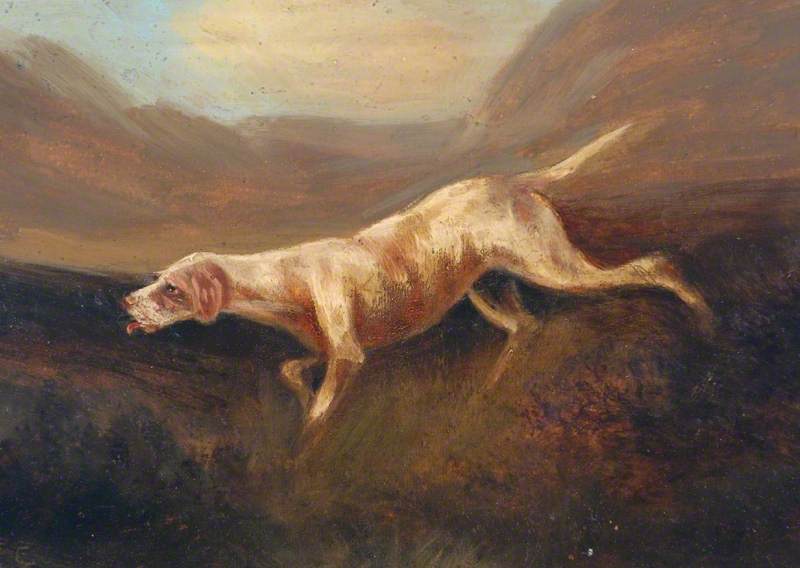
Among his most celebrated works are depictions of English Setters, renowned for their intelligence, loyalty, and distinctive appearance. His paintings of Pointers, known for their keen eyesight and tireless energy, are equally impressive. The “Dog and Pheasant (2)” is a particularly striking example of his ability to capture the spirit of the hunt – a scene brimming with action, camaraderie, and the inherent beauty of the countryside.
Despite achieving considerable success as an artist, Fothergill’s life was marked by tragedy. In 1943, during World War II, a bomb struck the cinema in East Grinstead where his wife and two daughters were watching a film, resulting in their deaths. He continued to paint after this devastating loss, but his work became increasingly melancholic, reflecting the profound grief he experienced. He died in 1945, leaving behind a substantial body of work that offers a unique window into a bygone era.
Today, Fothergill’s paintings are held in public and private collections across the United Kingdom, testament to his enduring appeal as an artist who captured the heart and soul of the sporting world. His meticulous technique, keen observation, and profound understanding of his subjects ensure that his work continues to resonate with art lovers and dog enthusiasts alike. He wasn't a household name, but George Algernon Fothergill deserves recognition as a master of his craft – a painter who immortalized the dogs that defined a way of life.

1868 - 1945
 معاينة الحجم الواقعي
 مشاركة
 مشاركة
 التفاصيل
 دليل
دليل

 تحميل الملف
 قطع مشابهة
 الأشعة السينية
 عرض شرائح
 الأسئلة والأجوبة
 الإحصائيات
 عرض المزيد


