x
معاينة الحجم الحقيقيمعاينة الحجم الحقيقي معاينة بالواقع المعززمعاينة بالواقع المعزز اشترِ لوحة مرسومة يدويًا اشترِ لوحة مرسومة يدويًااشترِ الصورة اشترِ الصورة مشاركةمشاركة
التفاصيلالتفاصيل أضف إلى المفضلة أضف إلى المفضلة تحميل الملفتحميل الملف قطع مشابهةقطع مشابهة الأشعة السينيةالأشعة السينية عرض شرائحعرض شرائح

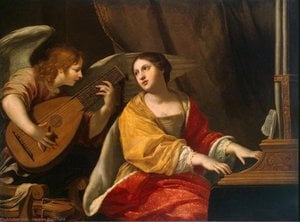
A Musical Party

A Musical Party by Gabriel Metsu (1659). A vibrant 17th-century Dutch portrait depicting a lively gathering. Hand-painted reproduction of this captivating artwork.

اكتشف غابرييل ميتسو (1629-1667)، رسام العصر الذهبي الهولندي المشهور بلوحاته التي تصور مشاهد الحياة اليومية والبورتريهات والدواخل. تأثر برمبرانت وفيرمير، وتميز فنه بالتفاصيل الرائعة والرمزية.

طباعة جيلي / مطبوعات فنية

طباعة جيكلي أو كانفاس بجودة المتاحف، مع سرعة في التنفيذ وخيارات متنوعة للتشطيب. (اشترِ لوحة مرسومة يدويًا اشترِ لوحة مرسومة يدويًااشترِ الصورة اشترِ الصورة)

P118B $10
P118H $10
P118W $10
P438Z $10
P508JH $12
P508YH $12
P805H $10
P805Z $10
P919BZ $10
P919G $10
P919XJ $10
P959ZH $10
P968JZ $12
W106C $8
W218G $10
W218JH $8
W218Y $10
W307PJ $10
W316G $10
W316PJ $8
W316Y $10
W398PJ $8
W4111J $10
W500HY $15
W500JH $15
W692G $12
W849H $8
W940BG $15
W953PJ $8

قياسي
حسب الطلب
CM
INCH

اختر من بين أحجامنا المُعدّة مسبقًا والتي تتطابق مع النسب الأصلية للعمل الفني.

العرض
الارتفاع

يمكنك إدخال أبعادك الخاصة لتناسب إطاراً أو مساحة معينة. وإذا لم يتطابق الحجم الذي اخترته مع نسب الصورة الأصلية، فسنقوم إما بقص العمل الفني أو تمديد الصورة باستخدام حافة معكوسة أو بلون مصمت. سيتم إرسال نموذج تجريبي رقمي لاعتمادك قبل بدء الإنتاج.
يرجى ملاحظة أن المعاينة على الشاشة لا تعكس عملية القص أو التمديد الفعلية؛ حيث سيوضح النموذج التجريبي فقط التكوين النهائي بدقة.
وعلى الرغم من توفر أحجام مخصصة، إلا أننا نوصي باختيار أبعاد من القائمة المحددة مسبقاً للحفاظ على النسب الأصلية.

توصيل عالمي إلى خلال أسبوعين بدلاً من المدة القياسية البالغة 4/5 أسابيع. 4 سبتمبر

why_choose_icon
شحن سريع ومجاني لجميع أنحاء العالم
why_choose_icon
قماش كتان عالي الجودة
why_choose_icon
تأمين شحن شامل
why_choose_icon
ضمان استرداد الرسوم الجمركية
why_choose_icon
ضمان مطابقة الألوان الحقيقية
why_choose_icon
سياسة الإرجاع خلال 60 يومًا (في حالات العيوب فقط)
why_choose_icon
ضمان استرداد نقدي بنسبة 100%
why_choose_icon
خصم عند طلب عدة قطع

إجمالي السعر

$ 68

reproduction

A Musical Party

طباعة جيلي / مطبوعات فنية

مقاس النسخة المطبوعة

-

السعر الإجمالي النهائي

$ 68

معلومات سريعة

  • Subject or theme: Dutch daily life
  • Medium: Oil on canvas
  • Influences:
    • Mieris
    • Rembrandt
  • Title: A Musical Party
  • Location: Metropolitan Museum
  • Year: 1659
  • Artistic style: Baroque

اختبار الفنون

يوجد إجابة صحيحة واحدة فقط لكل سؤال.

سؤال 1:
What is the primary subject depicted in Gabriel Metsu’s ‘A Musical Party’?
سؤال 2:
In ‘A Musical Party’, what is the significance of the violin being played?
سؤال 3:
The painting ‘A Musical Party’ was created in which century?
سؤال 4:
Gabriel Metsu is known for his style, which best describes it?
سؤال 5:
What does the presence of multiple chairs in ‘A Musical Party’ suggest about the scene?

Gabriel Metsu’s “A Musical Party”: A Dutch Golden Age Snapshot

Gabriel Metsu's "A Musical Party," painted in 1659, isn’t merely a depiction of a social gathering; it’s a meticulously crafted window into the vibrant and complex world of 17th-century Holland. This captivating Baroque scene, now housed within the Metropolitan Museum of Art, offers a rare glimpse into the leisure activities and social dynamics of the Dutch Golden Age – a period renowned for its artistic flourishing and burgeoning mercantile power. Metsu’s genius lies not in grand historical narratives or dramatic portraits, but rather in his ability to capture fleeting moments of everyday life with remarkable detail and psychological insight.

The painting immediately draws the eye with its rich color palette—deep reds, blues, and golds dominate, creating a sense of warmth and opulence. Metsu’s masterful use of light is particularly noteworthy; it illuminates key figures within the room while subtly receding into the shadows, drawing the viewer's attention to the central interactions. The composition itself is dynamic, with figures clustered around tables, chairs, and a musical instrument – a violin being played by one of the participants. This arrangement suggests an atmosphere of lively conversation and shared enjoyment, a carefully orchestrated tableau of social interaction.

A Study in Dutch Social Customs

“A Musical Party” is more than just a pretty picture; it’s a detailed study of Dutch customs and etiquette. The figures are dressed in a variety of styles, hinting at different social strata and occasions. Note the elaborate attire of the woman playing the violin – her gown is richly embroidered, suggesting wealth and status. The presence of a dining table with a bowl on it indicates a meal or refreshment being served, while the scattered musical scores suggest that music was an integral part of their entertainment. The inclusion of a foot warmer—a common luxury item at the time—symbolizes indulgence and comfort, reflecting the prosperity enjoyed by many in Dutch society.

The painting’s symbolism is layered and intriguing. The violin itself represents harmony and pleasure, while the gathering as a whole embodies the spirit of conviviality and social connection. Metsu subtly incorporates emblems – visual symbols with specific meanings – into the scene, adding another layer of interpretation. For example, the placement of objects like the foot warmer can be read as alluding to themes of temptation and desire, reflecting the complexities of human relationships.

The Artist’s Unique Style & Context

Gabriel Metsu remains a somewhat enigmatic figure in art history. Unlike many of his contemporaries who specialized in particular genres, Metsu's oeuvre spanned a wide range of subjects – history paintings, still lifes, portraits, and genre scenes—and he never adhered to a consistent style. This “eclectic” approach is evident in "A Musical Party," which blends elements of portraiture, genre painting, and even a touch of theatricality. His work reflects the spirit of the Dutch Golden Age, characterized by innovation, experimentation, and a fascination with everyday life.

Born in Leiden in 1629, Metsu’s early training likely involved exposure to diverse artistic techniques, perhaps influenced by his family's background as tapestry workers and painters. He spent much of his career in Amsterdam, where he developed his distinctive style—characterized by meticulous detail, subtle lighting effects, and a keen eye for capturing human psychology. His relatively short life – he died at the age of 38 – adds to the mystery surrounding this talented artist.

Bringing “A Musical Party” Home

WahooArt offers high-quality hand-painted reproductions of Gabriel Metsu’s "A Musical Party," allowing you to bring this captivating masterpiece into your home or office. Our skilled artists meticulously recreate Metsu's intricate details and vibrant colors, ensuring that your reproduction captures the essence of the original painting. Whether you are an art enthusiast, a collector, or simply seeking a stunning piece of décor, our reproductions provide a beautiful and authentic representation of this iconic work of Dutch Golden Age art.


السيرة الذاتية للفنان

حياة من الاستكشاف الفني

غابرييل ميتسو، ذلك الرسام الهولندي المبدع، عاش حياة اتسمت بالبحث الفني والابتكار المستمر. ولد ميتسو في عام 1629، وجسدت أعماله روح العصر الذهبي الهولندي، تلك الحقبة التي اشتهرت بغزارة إنتاجها الفني وتنوع موضوعاتها. تغوص هذه السيرة في أعماق حياة وأعمال هذه الشخصية الغامضة، التي لا تزال إسهاماتها في عالم الفن تثير الإعجاب والدهشة.

النشأة والمؤثرات الأولى

ولد ميتسو عام 1629، وهو ابن جاك ميتسو، الذي كان يعمل في صناعة المنسوجات والرسومات، وينحدر أصله من منطقة هينولت. ومن المرجح أن هذه الخلفية المتنوعة قد غذت اهتمام غابرييل المبكر بالتقنيات الفنية المختلفة؛ حيث إن انتقال عائلته إلى مدينة لايدن، وهي المدينة التي نشأ فيها ميتسو، قد وضعه في مواجهة مباشرة مع مختلف المؤثرات الثقافية الغنية.

المسيرة الفنية

تميزت مسيرة ميتسو المهنية بعدم تقيده بأسلوب أو تقنية واحدة، مما أكسبه لقب "الفنان الانتقائي للغاية". فقد شملت أعماله اللوحات التاريخية، والطبيعة الصامتة، والبورتريهات، ولوحات الحياة اليومية. ومن المثير للاهتمام أن 14 عملاً فقط من أصل 133 عملاً له تحمل تاريخاً محدداً، مما يترك الكثير من الغموض حول سيرورته الإبداعية.
  • يتجلى تأثير رمبرانت فان راين في أعمال ميتسو المبكرة، لا سيما في براعته في استخدام الضوء واللون.
  • شكل انتقال ميتسو إلى أمستردام عام 1655 تحولاً جوهرياً في أسلوبه، حيث بدأ يركز بشكل أكبر على المشاهد الداخلية والمناظر المنزلية.
  • كما يعكس تدربه على يد ميخيل فان موشر ويوست فان جيل مدى التزامه وانتمائه للمجتمع الفني آنذاك.

الأعمال البارزة والإرث الفني

غالباً ما كانت لوحات ميتسو تصور الشابات، ومشاهد الأسواق، وكبار السن، مستلهماً موضوعاته من الرموز الشعبية المنتشرة في عصره. ومن الأمثلة الجلية على ذلك لوحة بائعة الدواجن، التي تستعرض قدرته الفائقة على توظيف الرمزية. أبرز أعماله:

المتاحف والمجموعات الفنية

يمكن العثور على أعمال ميتسو في متاحف متنوعة، بما في ذلك متحف ريكس في أمستردام. ولمزيد من المعلومات حول فنه واستكشاف رسامي العصر الذهبي الهولندي الآخرين، يمكنك زيارة /ar/art/show/art-d3c627-ar/ للحصول على نظرة شاملة. الخلاصة: تعد حياة غابرييل ميتسو وفنه شهادة حية على الروح الابتكارية للعصر الذهبي الهولندي. إن أسلوبه الانتقائي، رغم غموضه أحياناً، قد ترك بصمة لا تُمحى في تاريخ الفن. ومع استمرارنا في كشف المزيد عن حياته وأعماله، نتذكر الأثر العميق الذي تركه في تطور الفن الغربي.

  • لفهم أعمق للعصر الذهبي الهولندي، يمكنك الرجوع إلى [https://en.wikipedia.org/wiki/dutch_golden_age_painting](https://en.wikipedia.org/wiki/dutch_golden_age_painting).
  • استكشف المزيد من أعمال ميتسو ومعاصريه عبر [https://WahooArt.com/@/gabriel-metsu](https://WahooArt.com/@/gabriel-metsu).

المراجع:

غابرييل ميتسو

غابرييل ميتسو

1629 - 1667 , هولندا

حقائق سريعة

  • أعمال بارزة:
    • الطفل المريض
    • بائع الدجاج
    • صورة عائلة هنلوبين
  • الاسم الكامل: غابرييل ميتسو
  • الجنسية: هولندي
  • الحركة الفنية: القرن الذهبي الهولندي
  • تاريخ الميلاد: 1629
  • تاريخ الوفاة: 1667
  • فنانون مؤثرون:
    • رمبرانت فان رين
    • يوهانس فيرمير
  • فنانون متأثرون:
    • ميشيل فان موسشر
    • يوست فان خيل
  • مكان الميلاد: لايدن، هولندا
استكشف الأعمال الفنية المصنفة حسب الموضوعات والأنماط والخصائص.