


x


 شراء نسخة مطبوعة اطلب نسخة مرسومة يدوياً
 مشاركة
 التفاصيل
 أضف إلى المفضلة
 تحميل الملف
 قطع مشابهة
 الأشعة السينية
 عرض شرائح
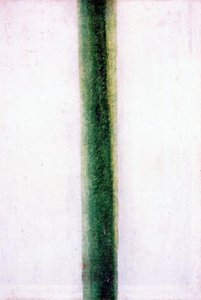
 Abstract Expressionism
 76.0 x 101.0 cm
احصل على صورة رقمية عالية الدقة ومعزّنة، بجودة تفوق بكثير المعاينة عبر الإنترنت.
يتم إعداد كل ملف بعناية فائقة من قبل متخصصينا الداخليين باستخدام أدوات متقدمة ولمسات يدوية خبيرة. نضمن أن تتمتع كل صورة بوضوح استثنائي، ودقة لونية متناهية، وتفاصيل دقيقة.
يتم تسليم الملف النهائي عبر البريد الإلكتروني في غضون 72 ساعة، وهو مُحسَّن للاستخدام الفوري في المجالات المهنية والتحريرية ومجالات الطباعة. هذه هي ذات الجودة التي تعتمد عليها كبرى استوديوهات التصميم ودور النشر والمعارض الفنية المرموقة.
حمّل ملفاً عالي الدقة للعرض الشخصي، والطباعة، والمشاريع الإبداعية.
عندما تختار WahooArt.com، فأنت لا تحصل على مجرد صورة فحسب، بل ستحصل على عمل فني رقمي مُحسّن باحترافية، صُمم بدقة متناهية ومصحوب بضمان الرضا. إليك كل ما يتضمنه طلبك تلقائياً:

ستصلك ملفات صورك الرقمية عالية الدقة عبر البريد الإلكتروني في غضون 72 ساعة من إتمام الطلب - لتكون جاهزة للاستخدام الفوري.

يتم تحسين عملك الفني باحترافية باستخدام أدوات الذكاء الاصطناعي المتقدمة والتحرير اليدوي، لضمان أقصى درجات التفاصيل والوضوح ودقة الألوان.

هل حذفت ملفك أو فقدته عن طريق الخطأ؟ لا تقلق - سنعيد إرساله إليك في أي وقت، ومجاناً.

استمتع بأعمالك الفنية فوراً دون أي رسوم جمركية أو ضرائب أو مصاريف شحن - فالتحميلات الرقمية دائماً ما تكون معفاة من الضرائب.

نحن نضمن أن تعكس صورتك الرقمية الألوان الأصلية بأقصى قدر ممكن من الدقة، وذلك باستخدام أدوات احترافية وتقنيات إدارة الألوان.

إذا لم تكن راضياً عن صورتك الرقمية، فسنقوم بتعديلها أو استرداد 100% من قيمتها خلال 60 يوماً - دون أي أسئلة.

لم تكن راضياً؟ احصل على استرداد كامل المبلغ خلال 60 يومًا من استلام ملفك الرقمي - دون أي أسئلة.

اشتري 3 صور، ووفر 10% - اشتري 5، ووفر 15% - اشتري +10، ووفر 20%. مثالية للمشاريع الإبداعية، والمعارض، والوكالات.




Born in Liverpool in 1916, Frederick Sands emerged from a lineage deeply rooted in artistic tradition. His father, Anthony Sands, was himself a talented amateur painter, fostering in young Frederick a profound appreciation for art’s ability to capture beauty and evoke emotion. This early exposure, coupled with the influence of renowned galleries like the Walker Art Gallery and the Lady Lever Gallery in Liverpool—spaces brimming with masterpieces from across history—laid the foundation for Sands's distinctive artistic vision. He wasn’t merely trained; he was immersed in a world of visual richness, shaping his approach to composition, color, and subject matter.
Sands’s early career saw him working as a photographic assistant in Jersey, an experience that broadened his technical skills while simultaneously exposing him to the vibrant artistic community of the Channel Islands. It was here he met Mabel Handford, whom he would marry and with whom he shared a lifelong partnership both personally and creatively. This relationship profoundly influenced his work, providing a constant source of inspiration and emotional depth. His time in Jersey also marked a shift towards greater independence as an artist, allowing him to fully develop his unique style.
Returning to England after World War II, Sands found employment as head of art at De La Salle school in Liverpool, a role he held until 1983. However, his artistic pursuits remained paramount. He became a member of the Royal Institute of Painters in Watercolour, an honor that reflected his growing recognition within the British art scene. Sands’s work is often categorized as associated with the Norwich School of painters, a group known for its atmospheric landscapes and meticulous attention to detail. This association highlights his connection to a tradition of Northern English landscape painting, characterized by a subtle use of color and an emphasis on capturing the mood of a place.
Early influences are readily apparent in Sands’s work—particularly those of Albrecht Dürer, Ambrosius Holbein, and Alfred Rethel. These masters of drawing and printmaking instilled in him a deep respect for technical precision and a fascination with light and shadow. His early woodcuts, produced using the innovative autographic lithographic process, demonstrated his mastery of line and composition, quickly gaining attention within London’s art circles. The satirical nature of “The Nightmare,” a commentary on John Everett Millais's "Sir Isumbras at the Ford," showcased Sands’s ability to blend technical skill with wit and social critique.
Perhaps the most compelling aspect of Sands’s artistic life was his long-term relationship with actress Mary Emma Jones, known as Miss Clive. She became a frequent model for him, appearing in numerous paintings—most notably in the series of “Proud Maisie” works. These paintings are not simply portraits; they are intimate studies of a woman and her connection to her artist. The series reveals a deep affection and understanding between Sands and Jones, expressed through subtle gestures, knowing glances, and a shared sense of beauty. The sheer number of versions—eleven in total—testifies to the profound impact she had on his artistic practice.
Sands’s exploration of this relationship extended beyond painting; he created numerous drawings depicting Jones, capturing her essence with remarkable sensitivity. These works offer a rare glimpse into a private world, revealing the artist's ability to translate personal emotion into visual form. The “Proud Maisie” series stands as a testament to his capacity for profound observation and heartfelt expression.
Frederick Sands’s work is now held in numerous collections across the United Kingdom and internationally, including those of the British Government. His paintings are characterized by their luminous color palettes, evocative landscapes, and intimate portraits—a testament to his unique artistic vision. While he may not be as widely celebrated as some of his contemporaries, Sands's contribution to British art is significant, representing a quiet yet powerful voice within the Norwich School and beyond. His legacy lies in his ability to capture light, emotion, and human connection with remarkable skill and sincerity.
1916 - 1992


ابقَ على اطلاع بأحدث أخبار الفن، والعروض الحصرية، وأفكار الديكور.
أخبرنا عن مشروعك، وسيقدم لك خبراؤنا الفنيون 3 اقتراحات فنية مخصصة لك.
دعنا نختار لك ٣ خيارات مخصصة تماماً - مجاناً!
 مشاركة

 عرض المزيد

