Oil On CanvasWallArtRococo
 1723
1723 184.0 x 151.0 cm
 المجموعة الملكية
احصل على صورة رقمية عالية الدقة ومعزّنة، بجودة تفوق بكثير المعاينة عبر الإنترنت.
يتم إعداد كل ملف بعناية فائقة من قبل متخصصينا الداخليين باستخدام أدوات متقدمة ولمسات يدوية خبيرة. نضمن أن تتمتع كل صورة بوضوح استثنائي، ودقة لونية متناهية، وتفاصيل دقيقة.
يتم تسليم الملف النهائي عبر البريد الإلكتروني في غضون 72 ساعة، وهو مُحسَّن للاستخدام الفوري في المجالات المهنية والتحريرية ومجالات الطباعة. هذه هي ذات الجودة التي تعتمد عليها كبرى استوديوهات التصميم ودور النشر والمعارض الفنية المرموقة.
حمّل ملفاً عالي الدقة للعرض الشخصي، والطباعة، والمشاريع الإبداعية. ( اشترِ نسخة مطبوعة اشترِ لوحة مرسومة يدويًا)
عندما تختار WahooArt.com، فأنت لا تحصل على مجرد صورة فحسب، بل ستحصل على عمل فني رقمي مُحسّن باحترافية، صُمم بدقة متناهية ومصحوب بضمان الرضا. إليك كل ما يتضمنه طلبك تلقائياً:

ستصلك ملفات صورك الرقمية عالية الدقة عبر البريد الإلكتروني في غضون 72 ساعة من إتمام الطلب - لتكون جاهزة للاستخدام الفوري.

يتم تحسين عملك الفني باحترافية باستخدام أدوات الذكاء الاصطناعي المتقدمة والتحرير اليدوي، لضمان أقصى درجات التفاصيل والوضوح ودقة الألوان.

هل حذفت ملفك أو فقدته عن طريق الخطأ؟ لا تقلق - سنعيد إرساله إليك في أي وقت، ومجاناً.

استمتع بأعمالك الفنية فوراً دون أي رسوم جمركية أو ضرائب أو مصاريف شحن - فالتحميلات الرقمية دائماً ما تكون معفاة من الضرائب.

نحن نضمن أن تعكس صورتك الرقمية الألوان الأصلية بأقصى قدر ممكن من الدقة، وذلك باستخدام أدوات احترافية وتقنيات إدارة الألوان.

إذا لم تكن راضياً عن صورتك الرقمية، فسنقوم بتعديلها أو استرداد 100% من قيمتها خلال 100 يوماً - دون أي أسئلة.

لم تكن راضياً؟ احصل على استرداد كامل المبلغ خلال 100 يومًا من استلام ملفك الرقمي - دون أي أسئلة.

اشتري 3 صور، ووفر 10% - اشتري 5، ووفر 15% - اشتري +10، ووفر 20%. مثالية للمشاريع الإبداعية، والمعارض، والوكالات.
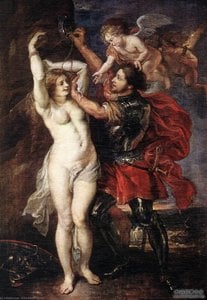
François Lemoyne's “Perseus and Andromeda,” painted in 1723, isn’t merely a depiction of a classical myth; it’s a vibrant, dynamic tableau brimming with the energy and theatricality characteristic of the Rococo period. Housed within the Wallace Collection in London, this oil on canvas offers a captivating glimpse into the artistic sensibilities of a master craftsman – Lemoyne himself – who sought to elevate mythological narratives beyond simple illustration, imbuing them with dramatic intensity and emotional resonance. The painting immediately draws the viewer in with its scale—184 x 151 cm—and its masterful composition, which expertly balances action, light, and shadow to create a scene of both perilous rescue and triumphant victory.
At first glance, the scene unfolds with arresting clarity. Perseus, positioned powerfully on the left, is rendered in robust detail: his muscular form clad in flowing robes, a shield held firmly in his right hand and a gleaming sword grasped by his left. His expression is one of focused determination, conveying the weight of his heroic task – slaying the monstrous Cetus that threatened to engulf Andromeda. Opposite him, Andromeda stands poised on the rocky coastline, her posture suggesting both vulnerability and nascent gratitude as she awaits rescue. The sea monster itself—a terrifying amalgamation of scales, claws, and serpentine form—looms large in the lower left corner, a potent symbol of chaos and impending doom. The background, a dramatic expanse of clear blue sky beneath a rugged coastline, provides a vital stage for this epic confrontation.
Lemoyne’s style is undeniably Rococo, yet it's infused with the grandeur and theatricality often associated with Baroque art. The vibrant color palette—rich reds, oranges, and browns contrasted against cool blues and greens—creates a sense of opulent drama. Notice how Lemoyne skillfully employs chiaroscuro – the dramatic interplay of light and shadow – to sculpt the figures and landscape, adding depth and volume to the scene. The brushwork is remarkably smooth, indicative of a meticulous approach that prioritizes detail and polished finish. This technique allows for an almost photographic realism within the context of a stylized narrative.
The composition itself is meticulously crafted, utilizing a diagonal thrust from the monstrous Cetus to Perseus’s descent, guiding the viewer's eye through the scene with compelling momentum. Linear perspective subtly recedes into the distance, anchoring the figures within a believable landscape while simultaneously creating an illusion of depth. The artist’s attention to detail is particularly evident in the rendering of the rocky coastline and the intricate scales of the sea monster – elements that contribute significantly to the painting's overall impact.
Beyond its aesthetic merits, “Perseus and Andromeda” is rich in symbolic meaning. The story itself speaks volumes about themes of heroism, courage, and divine intervention. Perseus’s act of slaying the monster represents a triumph over adversity, while his rescue of Andromeda embodies the concept of salvation. The sea monster, Cetus, serves as a potent symbol of danger, chaos, and the forces that threaten human existence. The painting subtly suggests the role of fate and divine favor in shaping human destiny – Perseus’s success is not solely due to his own strength but also to the intervention of the gods.
Furthermore, Andromeda's pose—a mixture of vulnerability and acceptance—evokes a powerful emotional response. She represents not only a damsel in distress but also a symbol of resilience and hope. The painting’s enduring appeal lies in its ability to resonate with universal themes of courage, sacrifice, and the triumph of good over evil – themes that continue to captivate audiences centuries after its creation.


1688 - 1737 , فرنسا

 معاينة الحجم الحقيقي
 مشاركة
 مشاركة
 التفاصيل

 تحميل الملف
 قطع مشابهة
 الأشعة السينية
 عرض شرائح
 عرض المزيد