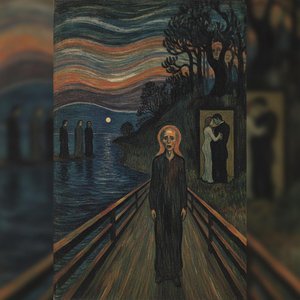
A Visceral Encounter with the Abyss
To stand before Francis Bacon’s Head VI is to witness an unflinching confrontation with the very depths of human experience. Painted in 1949, this unsettling masterpiece serves as a profound window into the psychological disintegration and existential dread that gripped Europe in the wake of World War II. The painting does not merely depict a man; it captures a moment of pure, unadulterated anguish. Through a distorted visage and a mouth frozen in a silent, harrowing scream, Bacon presents a subject caught in the throes of terror. The figure appears hunched and collapsing, a vulnerable soul navigating an airless void, making the artwork an enduring symbol of mortality and the fragility of our existence.
The technical execution of the piece is as visceral as its subject matter. Eschewing traditional meticulous detail, Bacon employed a method he termed the “squeeze technique,” applying paint thickly with his hands or a palette knife to create textured surfaces that seem to pulsate with an unsettling, living energy. This physicality allows the canvas to embody the very torment it portrays. The composition is dominated by a sickly, jaundiced yellow hue, a color choice that acts as a visual metaphor for decay and mental deterioration. Within this chromatic landscape, the figure is often placed within a glass cage-like structure behind curtain-like drapery, creating a suffocating atmosphere where the subject appears trapped by his very surroundings.
Symbolism and the Echoes of History
The power of Head VI lies in its ability to translate historical trauma into universal symbols. Emerging from a period scarred by the devastation of war and the chilling reality of London's bombing raids, Bacon’s work reflects a broader preoccupation with the loss of certainty. The open mouth, perhaps the painting’s most potent symbol, transcends simple vocalization; it represents repressed emotion and the primal terror of the human condition. This motif finds its roots in the cinematic drama of silent films, where exaggerated expressions were used to convey deep-seated psychological states, yet Bacon strips away the artifice to reveal a raw, terrifying truth.
Furthermore, the artwork draws subtle inspiration from the Old Masters, specifically referencing the work of Diego Velázquez. By reinterpreting elements of classical portraiture through a lens of modern horror, Bacon creates a tension between tradition and iconoclasm. For collectors and lovers of fine art, this piece offers more than mere decoration; it provides a profound emotional resonance. It is an invitation to grapple with the darker recesses of consciousness and to find beauty in the courageous exploration of truth. Whether viewed as a cornerstone of post-war expressionism or a haunting psychological study, Head VI remains a seminal achievement that continues to provoke, disturb, and ultimately illuminate the complexities of being human.
الأسئلة والأجوبة
ما الذي يفسر الوضع المتعلق بحقوق الطبع والنشر لـ "head vi, 1949" للفنان فرانسيس بيكون؟
تُعد لوحة "head vi, 1949" للفنان فرانسيس بيكون من الأعمال التي تندرج ضمن لا تزال محمية بموجب حقوق الطبع والنشر. تُحتسب مدة حقوق الطبع والنشر بدءاً من تاريخ وفاة الفنان، وقد توفي فرانسيس بيكون في عام 1992.
أين يمكنني مشاهدة معاينة لـ "head vi, 1949"؟
يمكنك معاينة "head vi, 1949" للفنان فرانسيس بيكون عبر صفحة معاينة الخاصة بالعمل الفني.
كيف يرتبط موضوع "head vi, 1949" بالمواضيع المعتادة لدى فرانسيس بيكون؟
من بين الثيمات المسجلة لـ فرانسيس بيكون - وهي diego velázquez influence, post-wwii anxiety, existential dread, human mortality themes, part of 1949 series, early signature style - يركز عمل "head vi, 1949" بشكل خاص على man, screaming face, purple robe, yellow background, open mouth, distorted face.



 معاينة الحجم الواقعي
 اطلب نسخة مرسومة يدويًا
 إرسال
إرسال مشاركة
 عرض التفاصيل
 دليل الأعمال الفنية للطلاب

 تحميل
تحميل
 قطع مشابهة
 الأشعة السينية
 عرض شرائح متتابع
 الإحصائيات

 اقرأ المزيد






































 خيار الزجاج متاح فقط للمقاسات التي تقل عن 110 سم