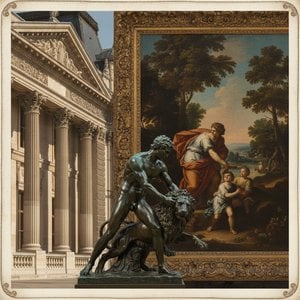
A Divine Journey Captured in Light and Shadow
In the profound stillness of Francesco Conti’s 1734 masterpiece, Return to Nazareth from Egypt, the viewer is transported into a moment of sacred transition. This evocative oil on canvas serves as a breathtaking window into the Baroque era, capturing the tender yet heavy atmosphere of the Holy Family's journey back to their home. The painting does not merely depict a biblical event; it breathes life into the emotional weight of protection and destiny. As the eye wanders through the composition, one is immediately struck by the dramatic interplay of light and shadow—a hallmark of Conti’s mastery—which pulls the figures of Mary, Joseph, and the infant Jesus from the depths of obscurity into a radiant, spiritual clarity.
The technical brilliance of the work lies in its sophisticated use of chiaroscuro, a technique that creates a sculptural sense of volume and presence. Conti employs sharp contrasts to define the contours of the figures, making them emerge with startling realism against a dark, atmospheric background. In the foreground, the composition follows a graceful pyramidal structure, anchored by the steadfast presence of Joseph. His weathered face and protective stance, marked by the inclusion of his staff, suggest a man burdened by responsibility yet guided by faith. Beside him, Mary cradles the infant Jesus with a maternal devotion that is both serene and solemn, her expression reflecting the quiet gravity of their flight and subsequent return.
Symbolism and the Baroque Soul
Beyond its technical execution, the painting is rich with symbolic layers that resonate deeply with the spiritual traditions of the 18th century. The presence of celestial beings—small, ethereal cherubs or putti hovering in the background—serves as a divine seal of protection, reminding the observer that this earthly journey is overseen by heavenly forces. Every element, from the soft light illuminating the Christ child’s hand to the distant, hazy palm trees that suggest a far-off, exotic landscape, contributes to a narrative of divine guidance. The textures of the oil paint itself, with its visible, rhythmic brushstrokes, add a tactile dimension to the scene, lending a sense of movement and organic life to the fabric of their garments and the natural world surrounding them.
For the discerning collector or interior designer, this artwork offers more than just historical significance; it provides a profound emotional anchor for any space. The painting’s ability to evoke feelings of vulnerability, strength, and spiritual peace makes it a versatile centerpiece for those seeking to infuse their environments with classical elegance and contemplative depth. Whether displayed in a grand gallery or a private study, a high-quality reproduction of this Conti masterpiece brings the dramatic intensity of the Florentine Baroque into the modern home, serving as a timeless testament to the enduring power of sacred art.



 معاينة الحجم الحقيقي
 اشترِ نسخة مطبوعة
 مشاركة
 مشاركة
 التفاصيل

 تحميل الملف
 قطع مشابهة
 الأشعة السينية
 عرض شرائح


 عرض المزيد






































 خيار الزجاج متاح فقط للمقاسات التي تقل عن 110 سم