احصل على صورة رقمية عالية الدقة ومعزّنة، بجودة تفوق بكثير المعاينة عبر الإنترنت.
يتم إعداد كل ملف بعناية فائقة من قبل متخصصينا الداخليين باستخدام أدوات متقدمة ولمسات يدوية خبيرة. نضمن أن تتمتع كل صورة بوضوح استثنائي، ودقة لونية متناهية، وتفاصيل دقيقة.
يتم تسليم الملف النهائي عبر البريد الإلكتروني في غضون 72 ساعة، وهو مُحسَّن للاستخدام الفوري في المجالات المهنية والتحريرية ومجالات الطباعة. هذه هي ذات الجودة التي تعتمد عليها كبرى استوديوهات التصميم ودور النشر والمعارض الفنية المرموقة.
حمّل ملفاً عالي الدقة للعرض الشخصي، والطباعة، والمشاريع الإبداعية. ( اشترِ نسخة مطبوعة اشترِ لوحة مرسومة يدويًا)
عندما تختار WahooArt.com، فأنت لا تحصل على مجرد صورة فحسب، بل ستحصل على عمل فني رقمي مُحسّن باحترافية، صُمم بدقة متناهية ومصحوب بضمان الرضا. إليك كل ما يتضمنه طلبك تلقائياً:

ستصلك ملفات صورك الرقمية عالية الدقة عبر البريد الإلكتروني في غضون 72 ساعة من إتمام الطلب - لتكون جاهزة للاستخدام الفوري.

يتم تحسين عملك الفني باحترافية باستخدام أدوات الذكاء الاصطناعي المتقدمة والتحرير اليدوي، لضمان أقصى درجات التفاصيل والوضوح ودقة الألوان.

هل حذفت ملفك أو فقدته عن طريق الخطأ؟ لا تقلق - سنعيد إرساله إليك في أي وقت، ومجاناً.

استمتع بأعمالك الفنية فوراً دون أي رسوم جمركية أو ضرائب أو مصاريف شحن - فالتحميلات الرقمية دائماً ما تكون معفاة من الضرائب.

نحن نضمن أن تعكس صورتك الرقمية الألوان الأصلية بأقصى قدر ممكن من الدقة، وذلك باستخدام أدوات احترافية وتقنيات إدارة الألوان.

إذا لم تكن راضياً عن صورتك الرقمية، فسنقوم بتعديلها أو استرداد 100% من قيمتها خلال 100 يوماً - دون أي أسئلة.

لم تكن راضياً؟ احصل على استرداد كامل المبلغ خلال 100 يومًا من استلام ملفك الرقمي - دون أي أسئلة.

اشتري 3 صور، ووفر 10% - اشتري 5، ووفر 15% - اشتري +10، ووفر 20%. مثالية للمشاريع الإبداعية، والمعارض، والوكالات.
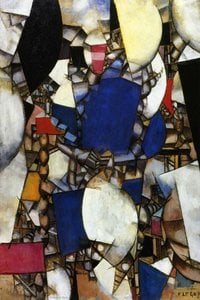
Fernand Léger's “The Man in the Tavern” is a vibrant and dynamic exploration of modern life, painted sometime between 1917-1924. This captivating work exemplifies Léger’s distinctive ‘Tubism,’ a compelling offshoot of Cubism that celebrates the beauty of machinery and the energy of the industrial age.
The painting presents an intimate scene within a bustling tavern. At least five figures are depicted, engaged in convivial conversation around a table laden with glasses, bottles, and other objects suggestive of refreshment and camaraderie. Léger deliberately fragments and geometrizes the composition; forms break down into cylindrical shapes and planes of color – hallmarks of his aesthetic. A centrally placed chair anchors the scene, immediately drawing the viewer’s eye, while another to the right subtly guides our gaze. Most strikingly, a motorcycle appears in the background—an unusual yet deliberate inclusion that speaks volumes about Léger's fascination with modern technology and its integration into everyday existence.
Léger’s “Tubism” is immediately apparent. Unlike the analytical fragmentation of early Cubism, his approach favors simplified, almost architectural forms. He employs bold colors—often primary hues—and strong contrasts to create a sense of solidity and monumentality. The brushwork isn't delicate; instead, it’s assertive and precise, emphasizing the constructed nature of the image. This technique reflects Léger’s belief in the beauty of the machine age and his desire to create an art that was accessible and relevant to modern society.
“The Man in the Tavern” emerges from a pivotal moment in art history. Following his experiences during World War I, Léger sought to reconcile the horrors of war with a celebration of life and progress. He rejected purely abstract forms, instead focusing on representing the world around him—factories, machines, and people—in a new visual language. This painting embodies that shift; it’s not merely a depiction of a tavern scene but a symbolic representation of modern social interaction within an increasingly industrialized world. Léger's work foreshadowed Pop Art by celebrating popular culture and everyday objects.
The painting evokes a sense of bustling energy and camaraderie, yet there’s also a subtle undercurrent of detachment. The fragmented forms and simplified figures create a slightly alienating effect, perhaps reflecting the anonymity that can accompany modern life. However, the vibrant colors and dynamic composition ultimately convey a feeling of optimism and vitality. It's a scene that feels both familiar and strangely new – a testament to Léger’s ability to capture the complexities of the modern human experience.
“The Man in the Tavern” would be a stunning focal point in various settings:
To best showcase the painting, consider a neutral wall color that allows the vibrant hues to pop. Strategic lighting will highlight the texture and dimensionality of Léger’s brushwork. Framing in a simple, modern frame – perhaps black or silver – would further enhance its contemporary appeal. This artwork is more than just a visual statement; it's an investment in a piece of art history that embodies the spirit of modernity.

1881 - 1955 , فرنسا

 معاينة الحجم الحقيقي
 مشاركة
 مشاركة
 التفاصيل

 تحميل الملف
 قطع مشابهة
 الأشعة السينية
 عرض شرائح

 عرض المزيد