معاينة الحجم الواقعي معاينة بالواقع المعزز اطلب نسخة مرسومة يدويًا التحويل إلى الصورة الرقمية إرسال
عرض التفاصيل دليل الأعمال الفنية للطلاب أضف إلى المفضلة تحميل قطع مشابهة الأشعة السينية عرض شرائح متتابع الإحصائيات

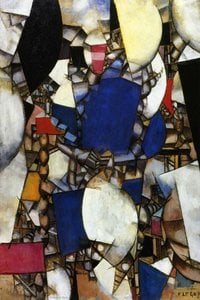
Contrast of Forms

Explore 'Contrast of Forms' by Fernand Léger (1913). A dynamic abstract composition featuring geometric shapes & bold colors – a key work in early 20th-century Cubism.

فيران ليجر: رائد التكعيبية و"الأنبوبية"! اكتشف لوحات جريئة تحتفي بالحياة الحديثة، الآلات، والشكل البشري - سلف أساسي للفن الشعبي. أسلوبه المبتكر يمزج بين التجريد والواقعية.

طباعة جيلي / مطبوعات فنية

طباعة جيكلي أو كانفاس بجودة المتاحف، مع سرعة في التنفيذ وخيارات متنوعة للتشطيب. ( اطلب نسخة مرسومة يدويًا التحويل إلى الصورة الرقمية)

Corner sample of the P118B picture frame: بوليسترين مُشكّل, 5 cm wide and 3 cm thick
P118B E£10
Corner sample of the P118H picture frame: بوليسترين مُشكّل, 5 cm wide and 3 cm thick
P118H E£10
Corner sample of the P118W picture frame: بوليسترين مُشكّل, 5 cm wide and 3 cm thick
P118W E£10
Corner sample of the P438Z picture frame: بوليسترين مُشكّل, 5.5 cm wide and 3.5 cm thick
P438Z E£10
Corner sample of the P508JH picture frame: بوليسترين مُشكّل, 7 cm wide and 3.5 cm thick
P508JH E£12
Corner sample of the P508YH picture frame: بوليسترين مُشكّل, 7 cm wide and 3.5 cm thick
P508YH E£12
Corner sample of the P805H picture frame: بوليسترين مُشكّل, 5 cm wide and 3.5 cm thick
P805H E£10
Corner sample of the P805Z picture frame: بوليسترين مُشكّل, 5 cm wide and 3.5 cm thick
P805Z E£10
Corner sample of the P919BZ picture frame: بوليسترين مُشكّل, 7 cm wide and 3.5 cm thick
P919BZ E£10
Corner sample of the P919G picture frame: بوليسترين مُشكّل, 7 cm wide and 3.5 cm thick
P919G E£10
Corner sample of the P919XJ picture frame: بوليسترين مُشكّل, 7 cm wide and 3.5 cm thick
P919XJ E£10
Corner sample of the P959ZH picture frame: بوليسترين مُشكّل, 5 cm wide and 3 cm thick
P959ZH E£10
Corner sample of the P968JZ picture frame: بوليسترين مُشكّل, 6 cm wide and 4 cm thick
P968JZ E£12
Corner sample of the W106C picture frame: خشب طبيعي صلب, 5 cm wide and 3 cm thick
W106C E£8
Corner sample of the W218G picture frame: خشب طبيعي صلب, 5 cm wide and 3 cm thick
W218G E£10
Corner sample of the W218JH picture frame: خشب طبيعي صلب, 5 cm wide and 3 cm thick
W218JH E£8
Corner sample of the W218Y picture frame: خشب طبيعي صلب, 5 cm wide and 3 cm thick
W218Y E£10
Corner sample of the W307PJ picture frame: خشب طبيعي صلب, 6 cm wide and 3 cm thick
W307PJ E£10
Corner sample of the W316G picture frame: خشب طبيعي صلب, 6 cm wide and 3 cm thick
W316G E£10
Corner sample of the W316PJ picture frame: خشب طبيعي صلب, 6 cm wide and 3 cm thick
W316PJ E£8
Corner sample of the W316Y picture frame: خشب طبيعي صلب, 6 cm wide and 3 cm thick
W316Y E£10
Corner sample of the W398PJ picture frame: خشب طبيعي صلب, 5 cm wide and 3 cm thick
W398PJ E£8
Corner sample of the W4111J picture frame: خشب طبيعي صلب, 6.5 cm wide and 3.5 cm thick
W4111J E£10
Corner sample of the W500HY picture frame: خشب طبيعي صلب, 7 cm wide and 5 cm thick
W500HY E£15
Corner sample of the W500JH picture frame: خشب طبيعي صلب, 7 cm wide and 5 cm thick
W500JH E£15
Corner sample of the W692G picture frame: خشب طبيعي صلب, 8 cm wide and 4 cm thick
W692G E£12
Corner sample of the W849H picture frame: خشب طبيعي صلب, 5 cm wide and 3 cm thick
W849H E£8
Corner sample of the W940BG picture frame: خشب طبيعي صلب, 7.5 cm wide and 4.5 cm thick
W940BG E£15
Corner sample of the W953PJ picture frame: خشب طبيعي صلب, 6 cm wide and 3.5 cm thick
W953PJ E£8

مقاس قياسي
مخصص
CM
INCH

اختر من بين أحجامنا المُعدّة مسبقاً والتي تتوافق مع النسب الأصلية للعمل الفني.

العرض
الارتفاع

أدخل العرض والارتفاع اللذين تحتاجهما، ليتناسب مع إطارك أو جدارك. يمكن قص المطبوعة فقط، ولا يمكن أبداً جعلها أكبر من الصورة الأصلية، لذا فإن أي مقاس بشكل مختلف سيؤدي إلى فقدان جزء من الصورة. سنرسل لك نموذجاً رقمياً تجريبياً لاعتماده قبل البدء في عملية الطباعة. الصورة المعروضة في هذه الصفحة لا توضح القص الفعلي — النموذج التجريبي فقط هو ما يظهر ذلك.

توصيل عالمي إلى خلال أسبوعين بدلاً من المدة القياسية البالغة 4/5 أسابيع. (27 أكتوبر)

شحن سريع ومجاني لجميع أنحاء العالم
قماش كتان فاخر
تأمين شامل على الشحن
ضمان استرداد الرسوم الجمركية
ضمان دقة مطابقة الألوان
سياسة الإرجاع خلال 100 يوم (في حالات العيوب فقط)
ضمان استرداد نقدي بنسبة 100%
عرض خصم الكميات

إجمالي السعر

E£ 3540

Contrast of Forms

طباعة جيلي / مطبوعات فنية

مقاس النسخة المطبوعة

-

إجمالي السعر

E£ 3540

حقائق سريعة

  • title: Contrast of Forms
  • subject: Boats/Ships (suggestive)
  • influences: Cézanne, Cubism
  • style: Abstract, Geometric
  • dimensions: 100 x 81 cm

اختبار المعلومات الفنية

لكل سؤال إجابة صحيحة واحدة فقط.

سؤال 1:
To what artistic movement is Fernand Léger's 'Contrast of Forms' most closely associated?
سؤال 2:
What is a defining characteristic of Léger’s style, sometimes referred to as ‘Tubism’?
سؤال 3:
The composition in 'Contrast of Forms' suggests the depiction of what subject matter, albeit highly stylized?
سؤال 4:
What year was ‘Contrast of Forms’ created?
سؤال 5:
How would you describe the perspective used in 'Contrast of Forms'?

A Symphony of Form: Exploring Fernand Léger’s ‘Contrast of Forms’

‘Contrast of Forms,’ painted in 1913, is a pivotal work by French artist Fernand Léger, embodying the burgeoning spirit of early 20th-century abstraction and offering a fascinating glimpse into his unique artistic vision. This dynamic composition, measuring 100 x 81 cm, isn’t merely an arrangement of shapes and colors; it's a visual exploration of modernity, industry, and the very essence of representation.

Deconstructing Reality: Subject & Style

While seemingly abstract, ‘Contrast of Forms’ hints at a recognizable subject – fragmented depictions suggestive of boats or ships. However, Léger deliberately prioritizes *form* over faithful representation. The painting is deeply rooted in the Cubist movement, yet distinctly his own. Critics famously dubbed his style “Tubism” due to its emphasis on cylindrical and geometric shapes. Unlike traditional Cubism which often employed collage, Léger focused on pure painterly construction. The artwork presents a flattened perspective with overlapping planes, creating a sense of dynamic tension and controlled chaos. The subject matter serves as a starting point for an investigation into the building blocks of visual language itself.

Technique & Materials: A Tactile Abstraction

Léger masterfully employs oil paints on canvas to achieve both structural clarity and textural richness. Visible brushstrokes and layers of paint contribute to a tactile quality, inviting viewers to engage with the surface beyond its abstract nature. The bold color blocks – likely primary colors alongside greens, blacks, and whites as seen in his other works from this period – interact to create areas of highlight and shadow, implying light without directly depicting it. The angularity of the lines further enhances the painting’s energetic feel.

Historical Context: The Dawn of Modernism

1913 was a watershed moment in art history. Cubism had begun to challenge traditional artistic conventions, and artists like Léger were pushing boundaries even further. He actively participated in avant-garde circles, exhibiting alongside other key figures of the era – including Jean Metzinger, Albert Gleizes, and Henri Le Fauconnier – and becoming a member of the influential Puteaux Group (Section d'Or). This group aimed to apply mathematical principles like the Golden Ratio to their compositions. ‘Contrast of Forms’ reflects this intellectual ferment, representing a move away from Impressionism towards a more analytical and structurally focused approach to painting.

Symbolism & Interpretation: Beyond the Surface

The fragmented shapes within ‘Contrast of Forms’ can be interpreted as symbolic representations of disruption and deconstruction – perhaps reflecting the rapidly changing world at the dawn of the modern age. The suggestion of boats, traditionally symbols of journey and exploration, may allude to a sense of displacement or uncertainty. However, Léger's work isn’t necessarily about conveying specific narratives; it’s more concerned with exploring the *potential* of form and color to evoke emotional responses and intellectual engagement.

Emotional Impact & Legacy

‘Contrast of Forms’ is a visually stimulating piece that evokes feelings of energy, dynamism, and intellectual curiosity. Its bold colors and geometric shapes create a sense of vibrancy, while its abstract nature encourages viewers to actively participate in the interpretation process. Léger's influence extends far beyond his own time; he is considered a forerunner of Pop Art due to his simplified forms and focus on modern subject matter. This painting stands as a testament to Léger’s innovative spirit and his enduring contribution to the development of abstract art. It offers not only aesthetic pleasure but also a profound reflection on the nature of perception and representation, making it a compelling addition to any collection or interior space.

الأسئلة والأجوبة

من أي بلد ينتمي عمل Cubism بعنوان "Contrast of Forms"؟

تربط لوحة "Contrast of Forms" بين حركة Cubism وفرنسا من خلال مسقط رأس مبدعها.

ما هي الألوان المهيمنة في "Contrast of Forms" للفنان فرناند ليجر؟

الهوية اللونية لـ "Contrast of Forms" للفنان فرناند ليجر: لوحة ألوان Earthy، يطغى عليها لون Espresso (#3d2f31).

أين تُعرض "Contrast of Forms" للفنان فرناند ليجر اليوم؟

تُعرض لوحة "Contrast of Forms" للفنان فرناند ليجر في متحف الفن بالتل أبيب, تل أبيب, إسرائيل. ويشير بيان المتحف إلى العمل الأصلي، وليس إلى النسخ المطبوعة.


نبذة عن الفنان

فرناند ليجر: نحات الأشكال الأسطوانية ورائد الفن الحديث

في قلب المشهد الفني الفرنسي في أوائل القرن العشرين، يبرز فرناند ليجر كشخصية فريدة ومؤثرة. وُلد جوزيف فرديناند هنري ليجر في بلدة أرجنتان الريفية عام 1881، ونما في بيئة قريبة من الطبيعة والعمل اليدوي، وهو ما ترك بصمة واضحة على رؤيته الفنية لاحقًا. لم يكن طريقه نحو الفن تقليديًا؛ فقد بدأ حياته المهنية كمتدرب معماري، لكن شغفه بالرسم والرغبة في التعبير عن رؤيته الخاصة قادته إلى عالم الفن التشكيلي. رحلته من الحقول الريفية إلى صدارة الحركة الفنية الحديثة هي شهادة على إصراره ورؤيته الثاقبة التي سعت إلى التقاط روح العصر الآلي الجديد. لم يكتف ليجر بالانضمام إلى تيارات التجريد السائد، بل سعى إلى دمج حيوية العصر الميكانيكي وأشكاله في لغة بصرية جديدة تجمع بين القوة المجردة والارتباط العميق بالعالم المرئي.

من الانطباعية إلى "الأسطوانية": تطور أسلوب ليجر

شكلت تجربة ليجر مع أعمال بول سيزان نقطة تحول حاسمة في مسيرته الفنية. بعد مشاهدة معرض لأعمال سيزان عام 1907، انطلق ليجر في رحلة استكشاف شكلية جريئة، حيث بدأ في تفكيك الأشكال وتحليل بنيتها الأساسية وإعادة بنائها على القماش مع التركيز الجديد على الصلابة والحجم. هذا الاستكشاف قاده إلى عالم التكعيبية، لكنه لم يكتفِ بمجرد تقليد أساليب بيكاسو وبراك؛ بل طور أسلوبه الخاص الذي أطلق عليه النقاد لاحقًا اسم "الأسطوانية". تتميز هذه الأسلوبية بالأشكال الأسطوانية والخطوط المستقيمة والمستويات المسطحة، والألوان الزاهية والمتناقضة. احتفى ليجر من خلالها بالجماليات الميكانيكية قبل أن تصبح موضوعًا شائعًا في الفن. كانت أعماله المبكرة تعكس تأثيرات الانطباعية، لكنه سرعان ما تخلى عن هذا الأسلوب، مدركًا أنه لا يعبر بشكل كافٍ عن رؤيته الخاصة للعالم الحديث.

الحرب والآلة: تحول فني عميق

أحدث اندلاع الحرب العالمية الأولى تحولاً جذريًا في حياة ليجر وفنه. الخدمة العسكرية في الجبهة الأمامية عام 1914-1916 عرّضته لواقع الحرب الحديثة القاسي - قصف المدفعية، ومعارك الطائرات، وتأثيرات الإنسانية المهددة من قبل الآلات. لم يؤدِ هذا إلى خيبة أمل أو رفض للحداثة؛ بل عزز اهتمامه بالآلات وقوتها. رسم ليجر خلال خدمته العسكرية رسومات للأجهزة العسكرية، محولًا أدوات الدمار إلى موضوعات للتأمل الفني. بعد عودته إلى الحياة المدنية، شهدت جمالية ليجر تطوراً إضافياً، حيث بدأت لوحاته تعكس حساسية ميكانيكية أكثر سلاسة، تحتفي بالديناميكية والكفاءة في العالم الصناعي. يعتبر عمل "جندي مع غليون" (1916) مثالًا على هذا التحول، حيث تعرض أشكالاً مبسطة وألوانًا جريئة تثير إحساسًا بالدقة الميكانيكية. لم يكن هذا مجرد خيار جمالي؛ بل كان بيانًا فلسفيًا يؤكد على الإمكانات التقدمية والتجديدية للحداثة، حتى في أعقاب الصراع المدمر.

إرث ليجر وتأثيره الدائم

في سنوات ما بعد الحرب، واصل ليجر استكشاف التقاطع بين الفن والصناعة، حيث ابتكر أعمالاً تحتفل بالحياة الحديثة بمزيج فريد من التجريد والتصوير. أظهرت سلسلة "المناظر الطبيعية الحية" (1921) شخصيات وحيوانات مدمجة بسلاسة في تركيبات مبسطة، مما يطمس الحدود بين الأشكال العضوية وغير العضوية. كما جرب النحت وصناعة الأفلام، موسعًا ممارسته الفنية خارج حدود الرسم التقليدي. لا يمكن إنكار تأثير ليجر على الأجيال اللاحقة من الفنانين. لقد أدت تبسيطه الجريء للشكل واحتضانه لصور الصناعة والاحتفاء بالثقافة الشعبية إلى توقع ظهور فن البوب ​​عقودًا لاحقًا. مدينون له فنانون مثل روي ليختنشتاين وآندي وارهول، حيث جسر بين الفن المجردد والتصويري، وأظهر أنه من الممكن إنشاء أعمال تكون في نفس الوقت صارمة فكريًا وجذابة بصريًا. اليوم، تُعرض لوحات فرناند ليجر في كبرى المتاحف حول العالم، بما في ذلك متحف الفن الحديث في نيويورك ومتحف ألبرتينا في فيينا. يظل شخصية بارزة في فن القرن العشرين - وهو بطل تنبأ بالجمال في العصر الآلي وتجسيده على القماش بشجاعة وأصالة لا مثيل لها. إرثه ليس مجرد رسام، بل هو نبي للحداثة. فنان رائد حقيقي يظل عمله يتردد صداه لدى الجماهير حتى اليوم.
فرناند ليجر

فرناند ليجر

1881 - 1955 , فرنسا

لمحة سريعة

  • الأعمال الفنية البارزة:
    • المرأة جالسة
    • عنصر آلة
    • المسيرة الكبرى
    • المدينة
  • الاسم الكامل: فرناند ليجر
  • الجنسية: فرنسي
  • الحركة الفنية أو الأسلوب: التكعيبية، التوبيزم
  • الفنانون أو الحركات المتأثرة: ['فن البوب']
  • الفنانون المؤثرون: ['بول سيزان']
  • تاريخ الميلاد: 4 فبراير 1881
  • مكان الميلاد: أرجنتان، فرنسا
استكشف الأعمال الفنية المصنفة حسب الموضوعات والأنماط والخصائص.