Delacroix's *Odalisque*: A Window into Romantic Exoticism
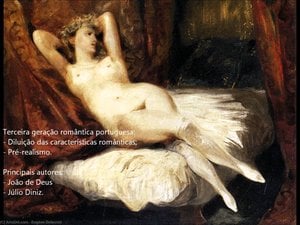
Eugène Delacroix’s *Odalisque*, completed in 1857, is more than simply a portrait; it’s an immersive experience, a carefully constructed tableau that transports the viewer to the opulent and enigmatic world of the Ottoman harem. Measuring a modest 35 x 30 cm, this oil on canvas radiates a quiet intensity, a testament to Delacroix's mastery of color and his profound understanding of human emotion. The painting’s enduring appeal lies not just in its technical brilliance but also in its potent symbolism – a visual embodiment of the Romantic fascination with the ‘other,’ specifically the alluring mystery of the East.
- A Masterclass in Romantic Technique: Delacroix, deeply influenced by Rubens and the Venetian Renaissance, employed loose brushstrokes and vibrant color to evoke movement and atmosphere. Notice how he doesn’t meticulously render every detail; instead, he uses broad washes of pigment to suggest form and texture, creating a sense of immediacy and dynamism.
- The Allure of the Odalisque: The term “odalisque” itself – a female attendant or concubine in an Ottoman harem – carries connotations of exotic beauty, sensuality, and veiled secrets. Delacroix’s subject is presented with a languid grace, her pose inviting contemplation and fueling the viewer's imagination about her story.
Color and Light: The Language of Emotion
Delacroix’s palette in *Odalisque* is dominated by warm, sensual tones – rich golds, deep blues, and subtle pinks – that contribute significantly to the painting’s emotional impact. He skillfully manipulates light to create a sense of depth and volume, bathing the subject in a soft, diffused glow. The play of light on her skin isn't merely descriptive; it’s deliberately employed to evoke feelings of tranquility, vulnerability, and perhaps even a hint of melancholy. This careful orchestration of color and light is characteristic of Delacroix’s Romantic approach, prioritizing emotional expression over strict realism.
Historical Context and Symbolism
Painted during a period of intense social and political change in France – the July Revolution of 1830 had just taken place – *Odalisque* reflects the broader Romantic movement's rejection of classical restraint. Delacroix’s interest in Orientalism was not simply aesthetic; it represented a desire to escape the confines of European society and explore new worlds, both real and imagined. The harem itself became a potent symbol of forbidden desires and exotic allure, frequently depicted in Western art as a space of sensual indulgence and hidden power.
A Timeless Masterpiece – Recreated for Today
*Odalisque* remains one of Delacroix’s most celebrated works, admired for its beauty, its emotional depth, and its historical significance. WahooArt offers meticulously crafted hand-painted reproductions that capture the essence of this iconic painting, allowing you to bring a piece of art history into your home or office. Each reproduction is created using archival quality materials, ensuring lasting vibrancy and authenticity.
الأسئلة والأجوبة
هل يمكنني فحص "Odalisque" بمزيد من التفصيل؟
يمكن فحص "Odalisque" طبقة تلو الأخرى عبر صفحة الأشعة السينية الخاصة بالعمل الفني، وهو عرض تفاعلي مستوحى من طاولة الإضاءة التي يستخدمها المرممون، ويقدم إحدى عشرة قراءة بصرية للصورة.
ما هو اتجاه لوحة "Odalisque" للفنان أوجين ديلاكروا؟
تُعد "Odalisque" للفنان أوجين ديلاكروا تكويناً Portrait. ويُنصح بمراجعة الأبعاد قبل اختيار حجم الطباعة.
ما هي المشاعر والأحاسيس التي تجتمع في "Odalisque"؟
ينقل "Odalisque" للفنان أوجين ديلاكروا شعوراً Melancholic ضمن أجواء Romantic عامة.



 معاينة الحجم الواقعي
 اطلب نسخة مرسومة يدويًا
 إرسال
إرسال مشاركة
 عرض التفاصيل
 دليل الأعمال الفنية للطلاب

 تحميل
تحميل
 قطع مشابهة
 الأشعة السينية
 عرض شرائح متتابع
 الإحصائيات


 اقرأ المزيد






































 خيار الزجاج متاح فقط للمقاسات التي تقل عن 110 سم