استشارة فنية مجانية

x
اطلب نسخة مرسومة يدوياً اطلب نسخة مرسومة يدوياًشراء الصورة بدقة عالية شراء الصورة بدقة عالية مشاركةمشاركة
DetailsDetails أضف إلى المفضلة أضف إلى المفضلة تحميل الملفتحميل الملف قطع مشابهةقطع مشابهة X-RayX-Ray عرض شرائحعرض شرائح

القيلولة

تعد لوحة بول غوغان "من أين أتينا؟ ما نحن؟ إلى أين نحن ذاهبون؟" عملاً محورياً يجسد روح الفكر الرمزي، حيث تبرز نهجه المبتكر في اللون والشكل عبر مزيج متناغم بين التأثيرات الانطباعية والتقنيات البدائية.

بول غوغان: رسام فرنسي رائد في فن ما بعد الانطباعية والرمزية، اشتهر بألوانه الجريئة وموضوعاته الغريبة وتأثيره العميق على الفن الحديث. اكتشف رحلته من عالم المال إلى أسطورة فنية.

طباعة جيلي / مطبوعات فنية

طباعة جيكلي أو كانفاس بجودة المتاحف، مع سرعة في التنفيذ وخيارات متنوعة للتشطيب.

P118B $10
P118H $10
P118W $10
P438Z $10
P508JH $12
P508YH $12
P805H $10
P805Z $10
P919BZ $10
P919G $10
P919XJ $10
P959ZH $10
P968JZ $12
W106C $8
W218G $10
W218JH $8
W218Y $10
W307PJ $10
W316G $10
W316PJ $8
W316Y $10
W398PJ $8
W4111J $10
W500HY $15
W500JH $15
W692G $12
W849H $8
W940BG $15
W953PJ $8

Standard
custom
CM
INCH

اختر من بين أحجامنا المُعدّة مسبقًا والتي تتطابق مع النسب الأصلية للعمل الفني.

العرض
الارتفاع

يمكنك إدخال أبعادك الخاصة لتناسب إطاراً أو مساحة معينة. وإذا لم يتطابق الحجم الذي اخترته مع نسب الصورة الأصلية، فسنقوم إما بقص العمل الفني أو تمديد الصورة باستخدام حافة معكوسة أو بلون مصمت. سيتم إرسال نموذج تجريبي رقمي لاعتمادك قبل بدء الإنتاج.
يرجى ملاحظة أن المعاينة على الشاشة لا تعكس عملية القص أو التمديد الفعلية؛ حيث سيوضح النموذج التجريبي فقط التكوين النهائي بدقة.
وعلى الرغم من توفر أحجام مخصصة، إلا أننا نوصي باختيار أبعاد من القائمة المحددة مسبقاً للحفاظ على النسب الأصلية.

توصيل عالمي إلى خلال أسبوعين بدلاً من المدة القياسية البالغة 4/5 أسابيع. 1 يوليو

why_choose_icon
شحن سريع ومجاني لجميع أنحاء العالم
why_choose_icon
قماش كتان عالي الجودة
why_choose_icon
تأمين شحن شامل
why_choose_icon
ضمان استرداد الرسوم الجمركية
why_choose_icon
ضمان مطابقة الألوان الحقيقية
why_choose_icon
سياسة الإرجاع خلال 60 يومًا (في حالات العيوب فقط)
why_choose_icon
ضمان استرداد نقدي بنسبة 100%
why_choose_icon
خصم عند طلب عدة قطع

إجمالي السعر

-

reproduction

القيلولة

طباعة جيلي / مطبوعات فنية

مقاس النسخة المطبوعة

-

السعر الإجمالي النهائي

-

معلومات سريعة

  • Movement: Post-Impressionism, Symbolism
  • Subject or theme: Human existence & mortality
  • Year: 1897-1898
  • Medium: Oil on canvas
  • Artistic style: Synthetism, Cloisonnism
  • Title: Where Do We Come From? What Are We?

اختبار الفنون

يوجد إجابة صحيحة واحدة فقط لكل سؤال.

سؤال 1:
What is the primary subject matter depicted in Paul Gauguin’s paintings of Tahiti?
سؤال 2:
What artistic movement is Paul Gauguin most closely associated with?
سؤال 3:
Which of the following best describes Gauguin’s artistic style in his Tahitian paintings?
سؤال 4:
What was a key reason for Gauguin’s decision to leave Europe and travel to Tahiti?
سؤال 5:
What is the significance of the name 'Paul Gauguin Cruises'?

وصف القطعة الفنية

Paul Gauguin's "Where Do We Come From? What Are We? Where Are We Going?" - A Masterpiece of Synthesized Symbolism

The Subject and Historical Context: A Philosophical Inquiry in Paint

Paul Gauguin’s monumental canvas, “Where Do We Come From? What Are We? Where Are We Going?” (1897-1898), stands as a profound philosophical inquiry rendered in paint. Created during a period of intense personal and artistic exploration, the work reflects Gauguin's fascination with Polynesian culture and his desire to synthesize Western artistic traditions with non-Western spiritual beliefs. Having relocated to Tahiti in 1891, seeking refuge from European societal constraints and artistic conventions, Gauguin immersed himself in the island’s vibrant landscape and indigenous customs. This relocation profoundly influenced his artistic vision, leading him to embrace a more expressive and symbolic style.

The painting's genesis was spurred by a conversation with art dealer Daniel-Henri Kahnweiler, who challenged Gauguin to create a work that would encapsulate the essence of human existence. The resulting canvas is not a literal depiction of Polynesian life but rather a complex allegorical representation of humanity’s journey through time and space.

Style and Technique: Synthesizing Impressionism, Symbolism, and Primitivism

Gauguin's artistic style in this painting is a remarkable synthesis of Impressionistic color palettes, Symbolist allegorical themes, and Primitivist expressive techniques. While initially influenced by Impressionism’s emphasis on capturing fleeting moments of light and atmosphere, Gauguin gradually moved towards a more subjective and symbolic approach to art. He rejected the Impressionists' focus on objective observation in favor of conveying emotional states and spiritual truths.

The painting is characterized by its flattened perspective, bold color contrasts, and simplified forms. Gauguin employed a technique known as “cloisonnism,” which involves outlining shapes with dark, flat lines, reminiscent of stained-glass windows or medieval illuminated manuscripts. This technique further enhances the painting’s symbolic quality, creating a sense of otherworldliness and timelessness.

Symbolism and Interpretation: A Tapestry of Human Existence

The composition is divided into three distinct sections, each representing a stage in human existence. The left-hand section depicts the birth of humanity, with figures emerging from the earth, symbolizing our connection to nature and ancestral origins. The central section portrays the peak of human life, with a group of individuals engaged in various activities, reflecting the complexities and contradictions of human experience. The right-hand section represents death and the afterlife, with figures receding into the distance, suggesting the cyclical nature of existence.

The central figure, a woman holding a child, is often interpreted as representing Eve or Mother Earth, symbolizing fertility and maternal love. The presence of Polynesian figures alongside Westernized individuals underscores Gauguin’s desire to bridge cultural divides and explore universal themes of human existence. The painting's title itself—"Where Do We Come From? What Are We? Where Are We Going?"—is a direct quote from the Book of Ecclesiastes, further emphasizing its philosophical nature.

Emotional Impact: A Meditation on Mortality and Meaning

“Where Do We Come From? What Are We? Where Are We Going?” evokes a profound sense of contemplation and introspection. The painting’s somber color palette, flattened perspective, and symbolic imagery create an atmosphere of mystery and timelessness. It invites viewers to reflect on the fundamental questions of human existence—our origins, our purpose, and our ultimate fate.

The work's enduring appeal lies in its ability to resonate with audiences across cultures and generations. It is a testament to Gauguin’s artistic genius and his profound understanding of the human condition. The painting serves as a powerful meditation on mortality, meaning, and the search for spiritual truth.

أعمال فنية ذات صلة

إوجيني هنري بول غاغو - امرأتان على الشاطئ
إوجيني هنري بول غاغو
امرأتان على الشاطئ
إوجيني هنري بول غاغو - Parau api (also known as What News)
إوجيني هنري بول غاغو
Parau api (also known as What News)
إوجيني هنري بول غاغو - Three Tahitian Women against a Yellow Background
إوجيني هنري بول غاغو
Three Tahitian Women against a Yellow Background
إوجيني هنري بول غاغو - Femmes de Tahiti or Sur la plage, Mu
إوجيني هنري بول غاغو
Femmes de Tahiti or Sur la plage, Mu
إوجيني هنري بول غاغو - The fisherwomen of Tahiti
إوجيني هنري بول غاغو
The fisherwomen of Tahiti
إوجيني هنري بول غاغو - Mountains in Tahiti
إوجيني هنري بول غاغو
Mountains in Tahiti

السيرة الذاتية للفنان

Eugène Henri Paul Gauguin: A Revolutionary Post-Impressionist Painter

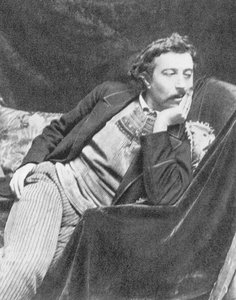
Paul Gauguin, a name synonymous with bold color and defiant individualism, stands as one of the most influential figures in the artistic landscape of the late nineteenth century—a pivotal innovator who irrevocably altered the course of modern art. Born June 7, 1848, in Paris, France, his life unfolded far from the conventional paths expected of a young man of his era, marked by an upbringing steeped in intellectual curiosity and shaped by familial connections to both French aristocracy and Peruvian heritage—a heritage that instilled within him a profound appreciation for cultures beyond the confines of Europe. This formative exposure would become a cornerstone of Gauguin’s artistic vision, fueling his lifelong quest for authenticity and inspiring him to reject the prevailing aesthetic conventions of his time. ### Early Life & Influences: The Seeds of Artistic Rebellion Gauguin's father was a journalist—a profession that instilled in him a spirit of inquiry and skepticism—while his mother descended from Peruvian aristocracy, carrying within her lineage the legacy of Flora Tristan, a trailblazing feminist writer whose radical ideas undoubtedly resonated throughout the family. This unusual upbringing fostered a rebellious streak that would prove crucial to Gauguin’s artistic trajectory. Following his father's untimely death in 1867, he enlisted in the merchant marine—a decision driven partly by financial necessity but also fueled by an innate desire for exploration and adventure—spending six formative years traversing the globe, absorbing diverse cultures and landscapes that would profoundly impact his artistic sensibilities. Notably, his mother’s influence instilled within him a deep fascination with Peruvian culture and traditions, mirroring Tristan's advocacy for social justice and challenging societal norms. ### Impressionism & The Dissatisfaction With Conventional Art Initially drawn to Impressionist painters like Monet, Pissarro, and Renoir—artists who championed the fleeting beauty of light and color—Gauguin experimented with Impressionistic techniques during his early artistic endeavors. He meticulously studied their methods for capturing optical sensations, recognizing the power of observation as a tool for artistic expression. However, Gauguin soon felt constrained by Impressionism’s insistence on depicting reality as it appeared at a particular moment in time—a limitation that he viewed as antithetical to his own artistic impulses. He yearned for something more profound, more expressive—a means of conveying not merely what he *saw*, but what he *felt*. This dissatisfaction propelled him toward a radical departure from Impressionistic principles and towards the exploration of alternative stylistic approaches. ### Japonisme & The Quest For Primitive Expression A pivotal encounter with Japanese prints—Japonisme—further broadened Gauguin’s artistic horizons. He was captivated by the flattened perspectives, bold outlines, and decorative patterns characteristic of Japanese art—elements that challenged Western conventions of representation and encouraged him to experiment with simplified forms. Influenced by Cézanne's geometric explorations and Delacroix’s dramatic use of color, Gauguin honed his skills in capturing emotional intensity and conveying symbolic meaning. He sought inspiration from the primal arts of Africa and Asia—cultures untouched by European industrialization—believing they possessed a purity lost in Western civilization. This conviction fueled his determination to depict subjects with uncompromising honesty and to reject academic artifice altogether. ### Tahiti & The Birth of Symbolist Style: A Radical Transformation The decision to abandon his stockbroker’s career and dedicate himself entirely to painting marked a decisive turning point in Gauguin's life—a courageous act of artistic liberation that signaled the beginning of his transformative journey into Polynesian culture. Seeking refuge from the pressures of Parisian society and driven by an unwavering belief in the power of art to transcend materialism, he traveled to Tahiti in 1891—a move that would solidify his reputation as a visionary artist and propel him toward the development of his distinctive Symbolist style. He immersed himself in Tahitian rituals and traditions, documenting their vibrant colors, exotic landscapes, and spiritual beliefs through his canvases—creating works that embody the essence of “primitive” expression. Iconic paintings like “Vahine no te miti” and “The Vision After The Sermon” exemplify this stylistic fusion—a masterful blend of observation and imagination that reflects Gauguin’s profound engagement with Polynesian culture and his unwavering commitment to conveying emotional depth through symbolic imagery. His bold use of color, simplified forms, and evocative compositions established him as a pioneer of Symbolism—a movement that championed subjective experience and spiritual contemplation as paramount goals for artistic endeavor. ### Legacy & Influence: Shaping The Future Of Art Paul Gauguin’s legacy extends far beyond his own lifetime—his influence reverberates throughout the art world to this day, inspiring generations of artists who embraced his radical stylistic innovations and challenged conventional aesthetic norms. Artists such as Picasso, Matisse, and Chagall acknowledged Gauguin's profound impact on their artistic development—recognizing him as a pivotal figure in the transition from Impressionism to modern art. His unwavering conviction that art should serve as a conduit for spiritual insight—a belief rooted in his fascination with primitive cultures—continues to resonate with artists who strive to express emotion and convey meaning beyond mere visual representation. Gauguin’s uncompromising artistic vision—his refusal to compromise on authenticity and his relentless pursuit of expressive freedom—remains an enduring testament to the transformative power of art and its capacity to reshape our understanding of the human condition.
إوجيني هنري بول غاغو

إوجيني هنري بول غاغو

1848 - 1903 , فرنسا

حقائق سريعة

  • Artistic Movement Or Style: رمزية، انطباعية حديثة
  • Artists Who Influenced This Artist:
    • كاميل بيسارو
    • فينيس غاوجين
  • Date Of Birth: 7 يونيو 1848
  • Date Of Death: 8 مايو 1903
  • Full Name: إوغيني هنري بول غاوجين
  • Nationality: فرنسي
  • Notable Artworks:
    • تضليل بالليمون والفاكهة
    • فايني نو تِ ميتي
    • مانا توباو
    • الشاب البريتوني الصغير
  • Place Of Birth: باريس، فرنسا
استكشف الأعمال الفنية المصنفة حسب الموضوعات والأنماط والخصائص.