


طباعة جيكلي أو كانفاس بجودة المتاحف، مع سرعة في التنفيذ وخيارات متنوعة للتشطيب. ( شراء لوحة مرسومة يدويًا الانتقال إلى الصورة الرقمية)





























اختر من بين أحجامنا المُعدّة مسبقاً والتي تتوافق مع النسب الأصلية للعمل الفني.

أدخل العرض والارتفاع المطلوبين ليتناسب المقاس مع إطارك أو جدارك. يرجى الملاحظة أن المطبوعة يمكن قصها فقط ولا يمكن تكبيرها لتتجاوز أبعاد الصورة الأصلية، لذا فإن اختيار مقاس بأبعاد مختلفة سيؤدي إلى فقدان جزء من الصورة. سنرسل لك نموذجاً رقمياً تجريبياً لاعتماده قبل البدء في عملية الطباعة. الصورة المعروضة في هذه الصفحة لا توضح شكل القص الفعلي — النموذج التجريبي فقط هو ما يظهر ذلك بدقة.
توصيل عالمي إلى خلال أسبوعين بدلاً من المدة القياسية البالغة 4/5 أسابيع. (10 نوفمبر)
Saint Bernardino
مقاس النسخة المطبوعة
El Greco's "Saint Bernardino," painted in 1603, is not merely a depiction of a religious figure; it’s an immersion into the profound spirituality and turbulent emotional landscape that defined the artist’s life. This intimate portrait captures a moment of quiet contemplation, revealing a man wrestling with faith, perhaps even suffering, beneath a cloak of monastic humility. The subject, Saint Bernardino of Siena – famed for his zealous preaching and miraculous healing – is rendered not as an idealized saint but as a deeply human individual, marked by the weight of experience etched onto his face and reflected in his gaze.
The painting’s power resides largely in El Greco's masterful manipulation of color and form. The rich browns of Bernardino’s robe contrast dramatically with the luminous white of the flower he holds – a potent symbol of purity, innocence, and divine grace. Notice how El Greco employs a technique known as *tenebrism*, utilizing strong contrasts between light and shadow to draw the viewer's eye directly to the figure, amplifying his solemnity. The background, deliberately muted and indistinct, serves not as a distraction but as a subtle reinforcement of the saint’s inner world, suggesting a landscape both earthly and spiritual.
Born Doménikos Theotokópoulos in Crete in 1541, El Greco's artistic development was shaped by a complex interplay of influences. His early training within the Byzantine tradition instilled a rigorous attention to detail and an understanding of religious iconography – hallmarks that would remain throughout his career. However, he quickly transcended these foundations, forging a style uniquely his own. His relocation to Venice and then Rome exposed him to the burgeoning Renaissance ideals, yet he resisted assimilation, retaining a distinctly personal vision. It was in Toledo, Spain, a city steeped in religious fervor and marked by a vibrant multiculturalism, that El Greco truly blossomed, creating works of unparalleled intensity and emotional resonance.
The year 1603, the date of “Saint Bernardino,” represents a pivotal moment in El Greco’s artistic trajectory. He was increasingly recognized as a master, yet he continued to push boundaries, experimenting with scale, color, and composition. This painting exemplifies his willingness to depart from conventional portraiture, prioritizing psychological depth and spiritual significance over realistic representation.
Beyond the obvious symbolism of the flower – representing divine grace and humility – several other elements contribute to the painting’s layered meaning. The hillside upon which Bernardino stands is often interpreted as a metaphor for the human condition, suggesting a precarious balance between earthly desires and spiritual aspirations. The building in the background, partially obscured, could represent the monastery where he spent his life, or perhaps even a symbolic representation of heaven.
Crucially, consider the expression on Bernardino’s face. It is not one of serene piety but rather a subtle blend of sorrow and contemplation. Many scholars believe that Saint Bernardino suffered from a debilitating illness throughout his life, which may have informed El Greco's portrayal – suggesting that faith and suffering are inextricably linked. The slight furrow in his brow, the downward tilt of his mouth, all speak to an inner struggle, making this portrait profoundly moving.
"Saint Bernardino" is a work that continues to resonate with viewers centuries after its creation. WahooArt offers meticulously crafted hand-painted reproductions that capture the essence of El Greco’s genius – the dramatic lighting, the expressive brushstrokes, and the profound emotional depth. Our reproductions are created using archival-quality materials and techniques, ensuring their longevity and authenticity. Whether you're a seasoned art collector, an interior designer seeking to infuse your space with spiritual resonance, or simply an admirer of El Greco’s extraordinary vision, a WahooArt reproduction of “Saint Bernardino” is a remarkable addition to any collection. Experience the power of this iconic painting in exquisite detail – a testament to the enduring legacy of one of art history's most singular figures.
تُقدم صفحة الأشعة السينية الخاصة بالعمل الفني رؤية الأشعة السينية لـ "Saint Bernardino" للفنان إل غريكو: وهي بمثابة فحص تفاعلي للصورة عبر إحدى عشرة طبقة بصرية.
تبلغ درجة سطوع "Saint Bernardino" للفنان إل غريكو ما يعادل Gentle Luminance.
تستعرض صفحة أعمال مشابهة لعمل "Saint Bernardino" للفنان إل غريكو أعمالاً فنية ذات صلة.

بدأ دومينيكوس ثيوتوكوبولوس، الذي عرفه التاريخ باسم إل غريكو، حياته في عام 1541 على جزيرة كريت. في ذلك الوقت، كانت الجزيرة ملكية للبندقية، وهي حقيقة سمحت له لاحقًا بجسر الفجوة بين التقاليد الشرقية والغربية. لقد تدرب كرسام للأيقونات ضمن التقليد البيزنطي، وهو انضباط يتطلب اهتمامًا دقيقًا بـ التفاصيل والتركيز على الجوهر الروحي للموضوع بدلاً من مجرد المحاكاة الجسدية. هذا الانغماس المبكر في مدرسة كريت منحه إحساسًا بالدقة الرمزية التي ظلت ثابتة في أعماله، حتى مع خضوع أسلوبه لتحولات جذرية.
في سن السادسة والعشرين، انتقل إلى البندقية، سعيًا لتوسيع فهمه للعالم الطبيعي. وفي جمهورية البندقية، التقى بأعمال تيتشيان وتنتوريو، فامتص براعتهم في استخدام اللون والضوء لتحديد الأشكال. تعلم كيفية الابتعاد عن الخطوط الجامدة التي ميزت مرحلة شبابه، متبنيًا ضربات فرشاة أكثر انسيابية وإحساسًا بالديناميكية. لم تكن هذه الفترة رفضًا لجذوره، بل كانت توسيعًا لها، حيث بدأ في مزج الأيقونية المنضبطة لتراثه اليوناني مع الحساسية الجمالية لعصر النهضة الإيطالي.
بعد فترة في روما، حيث واجه الأشكال الممدودة والتكوينات المعقدة للمدرسة المانييرية، استقر إل غريكو في طليطلة بإسبانيا عام 1577. وقد أثبتت هذه الخطوة أنها كانت حاسمة؛ فقد كانت طليطلة مركزًا للاحتدام الديني خلال حركة الإصلاح المضاد، مما وفر مشهدًا ملائمًا تمامًا لرؤيته الصوفية المتزايدة. وهنا وصل أسلوبه إلى أكثر مراحله تميزًا، حيث اتسمت شخصياته بالاستطالة والالتواء، كما لو كانت تُسحب بواسطة قوة روحية غير مرئية. لم يستخدم الألوان لمحاكاة الواقع، بل لتعزيز التأثير العاطفي، وغالبًا ما كان يوظف ألوانًا غير واقعية لتصوير الجوانب الإلهية.
تميز عمله في إسبانيا بتوتر بين ما هو أرضي وما هو أثيري. ففي لوحة دفن كونت أورغاس (1586-1588)، جمع بين التصوير الواقعي للشخصيات المعاصرة والأشكال السماوية الممدودة، مما خلق جسرًا بصريًا بين الفاني والمقدس. إن قدرته على التلاعب بالضوء والظل سمحت له بخلق إحساس بالدراما بدا مسرحيًا وشخصيًا بعمق في آن واحد. لم يكن يكتفي برسم المشاهد، بل كان يحاول تجسيد الحقائق العاطفية والروحية التي توجد وراء سطح العالم المادي.
شهدت السنوات الأخيرة من حياته توجهًا نحو تجريد وصوفية أكبر؛ حيث أصبحت تكويناته أكثر تعقيدًا، وشخصياته أكثر تشوهًا، مما عكس انفصالًا متزايدًا عن المعايير الفنية التقليدية. ورغم النجاح الذي حققه وحصوله على تكليفات هامة من الكنائس والأديرة في طليطلة، إلا أن تأثيره لم يُشعر به فورًا في عالم الفن الأوسع بعد وفاته عام 1614. فلفترة طويلة، نُظر إليه كفنان غريب الأطوار، وأُغفلت أعماله إلى حد كبير من قبل التيار الرئيسي لتاريخ الفن.
ولم يتم الاعتراف بأهميته الكاملة إلا في القرن العشرين، حيث وجد الحداثيون في أعماله إرهاصًا للأساليب التعبيرية والمجزأة التي ظهرت في المستقبل. إن قدرته على تشويه النسب واستخدام الألوان الجريئة والمؤثرة وجدت صدى لدى أولئك الذين يسعون للتعبير عن الحالات النفسية الداخلية. واليوم، تُعتبر لوحاته نوافذ على الروح البشرية، ويُحتفى بها لقدرتها الفريدة على التقاط شدة الإيمان والصراع من أجل السمو الروحي.
تشمل أعماله البارزة ما يلي:

1541 - 1614 , اليونان

Embark on a profound journey through art history with our exploration of Saint Francis's most iconic works. Discover Giotto’s revolutionary frescoes and the spiritual depth of Proto-Renaissance masterpieces through an expert lens for the true classic art enthusiast.

Embark on a scholarly journey through the golden era of Byzantine art. Discover the profound symbolism, masterful mosaics, and imperial grandeur that defined an epoch of spiritual and aesthetic splendor in this expert-led guide for art enthusiasts.

Discover the profound beauty of Saint Artworks. Explore the history, symbolism, and luminous mastery of Renaissance religious masterpieces through an expert art-historical lens.

Explore the profound iconography of Saint Jerome through art history's most iconic masterpieces. From Renaissance serenity to Baroque drama, discover how legendary painters captured divine devotion in breathtaking oil paintings and fine art reproductions.
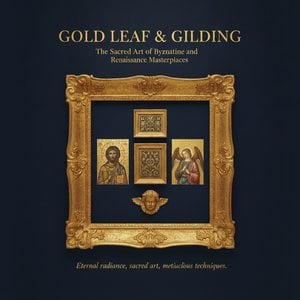
Explore the divine mastery of Byzantine gold leaf and gilding. Discover how ancient artisans used gold ground and mosaics to create celestial light, a timeless legacy of spiritual splendor and technical excellence in sacred art history.
 معاينة الحجم الواقعي
 مشاركة
 مشاركة
 التفاصيل
 دليل
دليل

 تحميل الملف
 قطع مشابهة
 الأشعة السينية
 عرض شرائح
 الأسئلة والأجوبة
 الإحصائيات


 عرض المزيد









 خيار الزجاج متاح فقط للمقاسات التي تقل عن 110 سم


