El Greco: A Visionary Bridging Byzantium and Baroque
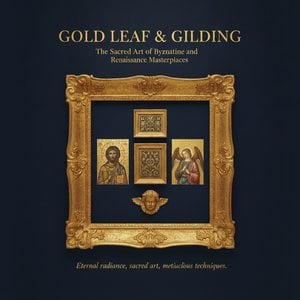
Doménikos Theotokópoulos, universally known as El Greco (meaning “The Greek”), stands as one of the most singular figures in the history of Western art—a painter who defied convention while forging an intensely personal style that continues to captivate audiences centuries later. Born in Crete around 1541, under Venetian rule, his early training within the Byzantine tradition instilled a meticulous attention to detail and a reverence for religious iconography, shaping the foundation of his artistic journey. This formative influence would prove crucial in defining his distinctive aesthetic—a dramatic blend of Eastern spirituality and Western innovation that cemented his place as a pivotal artist of the Renaissance transition.
His relocation to Venice around 1567 marked a significant turning point, exposing him to the dynamism of the Venetian Renaissance and fostering collaborations with masters like Tintoretto and Titian. These encounters broadened El Greco’s artistic horizons, introducing techniques and stylistic considerations that would enrich his oeuvre. He swiftly established himself as a workshop proprietor in Rome, producing monumental canvases imbued with Mannerist fervor—a style characterized by elongated figures, stylized drapery, and an unsettling psychological depth. This period solidified his reputation as a daring innovator who challenged prevailing artistic norms.
By 1577, El Greco settled in Toledo, Spain, accepting commissions from the Catholic Church and embarking on what would become his most prolific creative phase. It was here that he achieved his artistic zenith, producing masterpieces such as “View of Toledo” and “The Opening of the Fifth Seal”—works imbued with an unparalleled emotional intensity and a masterful command of color and composition. These paintings exemplify El Greco’s signature style—a deliberate distortion of perspective and proportion designed to convey spiritual ecstasy and evoke profound contemplation. The elongated figures, often depicted in poses reminiscent of Byzantine saints, embody a yearning for transcendence, while the vibrant hues—particularly reds and golds—symbolize divine illumination and proclaim faith's triumphant glory.
El Greco’s artistic evolution can be traced through his diverse subjects—from biblical narratives to portraits and mythological scenes—each rendered with unwavering conviction and imbued with an unmistakable emotional resonance. He consistently prioritized conveying spiritual experience over mere visual representation, utilizing expressive brushstrokes and dramatic lighting to heighten the impact of his compositions. His influence extended far beyond his own lifetime, inspiring artists across Europe and foreshadowing developments in Expressionism and Cubism.
- Notable Works: “The Burial of Christ,” “Saint Jerome in Prayer,” “Assumption of Mary”
- Style: Mannerist, Byzantine Influence
- Technique: Oil on Canvas, Elaborate Detail
- Historical Context: Transition from Renaissance to Baroque; Venetian Artistic Patronage
El Greco’s legacy resides not merely in his artistic achievements but also in his unwavering commitment to conveying profound spiritual truths—a testament to the enduring power of art to inspire awe and provoke contemplation. Today, reproductions of El Greco's paintings continue to resonate with collectors and interior designers alike, offering a glimpse into the visionary spirit of a truly exceptional artist. WahooArt’s meticulous craftsmanship ensures that these reproductions capture the essence of his original masterpieces—preserving their beauty and conveying their timeless significance for generations to come.
WahooArt’s dedication to artistic excellence guarantees that you can experience the grandeur of El Greco's vision—a timeless masterpiece worthy of admiration and preservation.
الأسئلة والأجوبة
هل يمكنني مشاهدة "Annunciation" كعرض شرائح بملء الشاشة؟
يتوفر عرض متتابع للصور في صفحة عرض متتابع الخاصة بـ "Annunciation" للفنان إل غريكو.
ما هو الأصل الوطني الذي يقف وراء Baroque عمل "Annunciation"؟
تربط لوحة "Annunciation" بين حركة Baroque واليونان من خلال مسقط رأس مبدعها.
ما هو شكل وأبعاد "Annunciation" للفنان إل غريكو؟
تأتي لوحة "Annunciation" بتنسيق رأسي، وتصل أبعاد النسخة الأصلية إلى 91 x 66 cm؛ وكلاهما أمر مفيد عند التخطيط لعمل نسخة مطابقة.
ما هي تقنية وحجم العمل الأصلي "Annunciation" للفنان إل غريكو؟
العمل الأصلي "Annunciation" للفنان إل غريكو هو عمل من نوع أكريليك على كانفاس وبمقاس 91 x 66 cm. تصف التقنية والحجم القطعة الأصلية.
ما هو الانطباع العام لـ "Annunciation" للفنان إل غريكو؟
تتمتع لوحة "Annunciation" بأجواء صوفيّ.
أين يمكنني العثور على دليل لـ "Annunciation"؟
تقدم صفحة دليل تعليمي الخاصة بـ "Annunciation" للفنان إل غريكو ورقة حقائق قابلة للطباعة ومكونة من ورقتين: العمل الفني مع جدول بياناته، وشريط زمني يضعه ضمن الحقبة التي عاش فيها الفنان، وأعمال أخرى للفنان نفسه، ولوحة الألوان المقاسة، بالإضافة إلى مراجع جاهزة للاقتباس بأربعة أساليب مختلفة.
إلى أي مرحلة من مراحل تطور إل غريكو ينتمي العمل "Annunciation"؟
ضمن مسيرة إل غريكو المهنية، تندرج لوحة "Annunciation" ضمن مرحلة Mature Period. وتساعد هذه المرحلة في مقارنتها بأعمال الفنان الأخرى.
ما هي المكانة التاريخية الفنية لـ "Annunciation" للفنان إل غريكو؟
تنتمي "Annunciation" للفنان إل غريكو إلى حركة Baroque، ضمن حقبة عصر النهضة. ويمنح هذا المزيج العمل مكانته في تاريخ الفن.



 معاينة الحجم الواقعي
 التبديل إلى المطبوعات
 إرسال
إرسال مشاركة
 عرض التفاصيل
 دليل الأعمال الفنية للطلاب

 تحميل
تحميل
 قطع مشابهة
 الأشعة السينية
 عرض شرائح متتابع
 الإحصائيات


 اقرأ المزيد






































 خيار الزجاج متاح فقط للمقاسات التي تقل عن 110 سم