


x

 اطلب نسخة مرسومة يدوياً شراء الصورة بدقة عالية
 مشاركة
 التفاصيل
 أضف إلى المفضلة
 تحميل الملف
 قطع مشابهة
 الأشعة السينية
 عرض شرائح
طباعة جيكلي أو كانفاس بجودة المتاحف، مع سرعة في التنفيذ وخيارات متنوعة للتشطيب.





























اختر من بين أحجامنا المُعدّة مسبقًا والتي تتطابق مع النسب الأصلية للعمل الفني.

يمكنك إدخال أبعادك الخاصة لتناسب إطاراً أو مساحة معينة. وإذا لم يتطابق الحجم الذي اخترته مع نسب الصورة الأصلية، فسنقوم إما بقص العمل الفني أو تمديد الصورة باستخدام حافة معكوسة أو بلون مصمت. سيتم إرسال نموذج تجريبي رقمي لاعتمادك قبل بدء الإنتاج.
يرجى ملاحظة أن المعاينة على الشاشة لا تعكس عملية القص أو التمديد الفعلية؛ حيث سيوضح النموذج التجريبي فقط التكوين النهائي بدقة.
وعلى الرغم من توفر أحجام مخصصة، إلا أننا نوصي باختيار أبعاد من القائمة المحددة مسبقاً للحفاظ على النسب الأصلية.
توصيل عالمي إلى خلال أسبوعين بدلاً من المدة القياسية البالغة 4/5 أسابيع. 5 يوليو


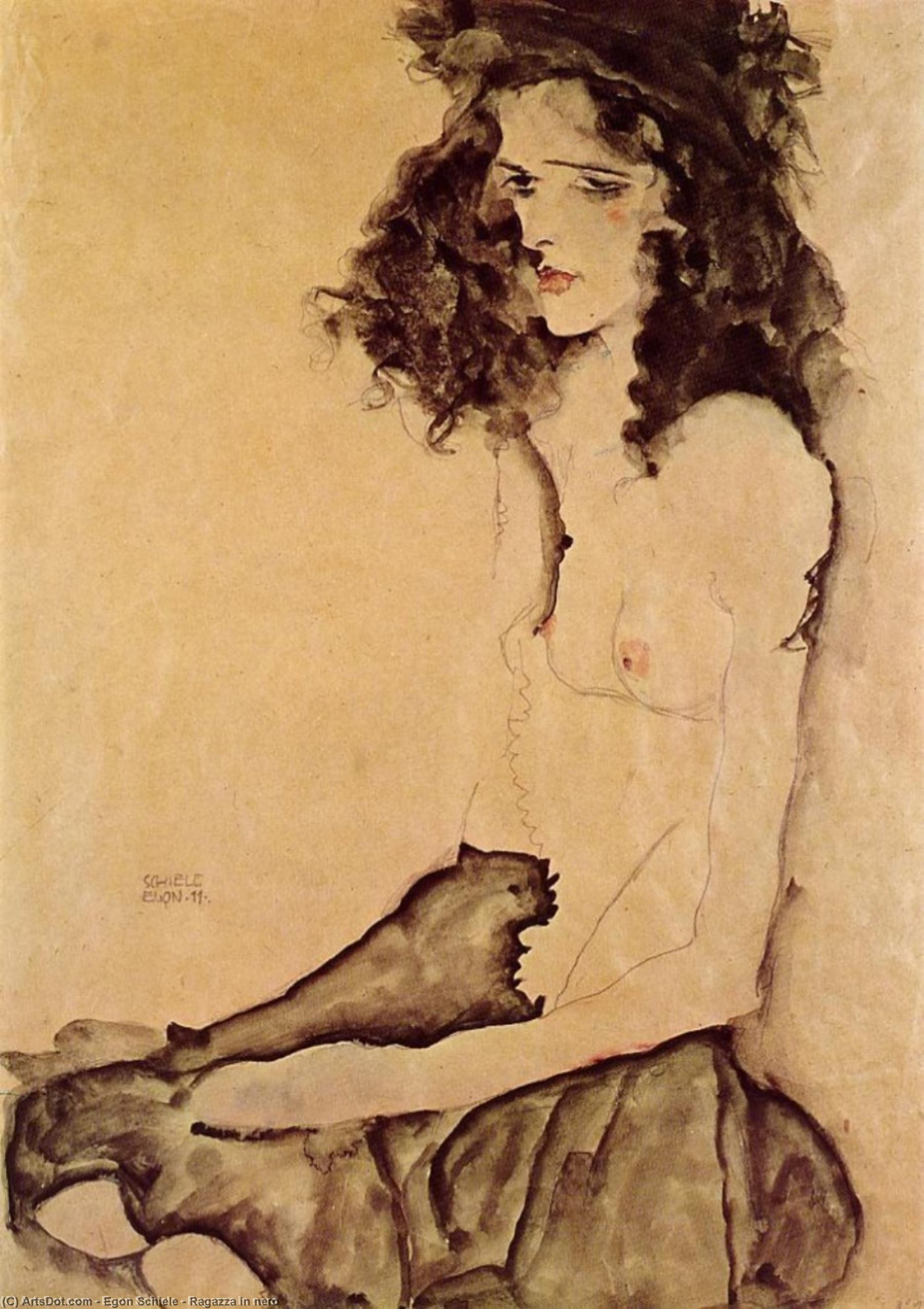
Ragazza in nero
مقاس النسخة المطبوعة
Egon Schiele’s “Ragazza in nero,” painted circa 1908-1909, stands as a haunting testament to the artist's masterful grasp of Expressionist aesthetics and his profound engagement with psychological exploration. This striking portrait captures a young woman seated on the ground, her gaze averted downwards while cradling a cat—a gesture laden with symbolic significance that speaks volumes about Schiele’s artistic vision.
Style & Technique: The painting embodies the core tenets of Expressionism, rejecting academic conventions in favor of raw emotion and subjective experience. Schiele employs bold, angular brushstrokes – characteristic of his distinctive style – to convey a palpable sense of unease and tension. Thick impasto creates textural surfaces that amplify the visual impact, mirroring the artist’s internal turmoil. The muted palette dominated by shades of black, grey, and ochre contributes to the melancholic atmosphere, emphasizing the subject's isolation.
Historical Context: Schiele emerged during Vienna’s artistic ferment at the turn of the century, a period marked by intellectual currents grappling with anxieties surrounding modernity and mortality. Influenced by artists like Edvard Munch and Gustav Klimt, Schiele sought to depict human emotion with uncompromising honesty—often confronting themes of sexuality, illness, and death. “Ragazza in nero” reflects this preoccupation with psychological depth, mirroring the broader artistic movement’s fascination with inner landscapes.
Symbolism & Emotion: The woman's downward gaze is interpreted as a reflection of introspection and vulnerability—a deliberate choice by Schiele to portray her emotional state rather than simply presenting a likeness. The cat nestled in her lap serves as a potent symbol of comfort, protection, and perhaps even maternal instinct, juxtaposed against the woman’s apparent sadness. These elements coalesce into an emotionally resonant image that captures the artist's preoccupation with themes of fragility and existential dread.
Interior Design Inspiration: “Ragazza in nero”’s subdued color palette and textural surface lend themselves beautifully to contemporary interior design schemes. Consider incorporating similar tones—deep greys, earthy browns—into living spaces to create a mood of contemplative serenity. Alternatively, reproductions of this artwork can serve as focal points within an artistic composition, adding depth and intrigue.


1890 - 1918 , أوٽرېڊېش

اكتشف 25 تحفة فنية لإيغون شيلي، رائد التعبيرية النمساوية. استكشف قصص لوحاته المؤثرة وتقنياته الفريدة وألوانه العاطفية. احصل على إعادة إنتاج عالية الجودة لديكور منزلك الفاخر على WahooArt.com
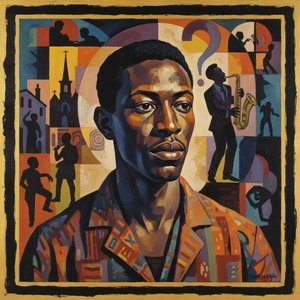
Explore the powerful life & art of William H. Johnson – a pivotal American painter who captured African American experiences with bold expressionism and folk art style. Discover his legacy at WahooArt.

Experience art's raw power! Explore 10 iconic paintings – Van Gogh, Kahlo & more – that define 'bold'. Discover the stories behind these expressive masterpieces and find museum-quality reproductions for your home at WahooArt.com.

Explore the captivating world of introspective art! Discover how artists across eras – from Rembrandt to Kahlo – used self-portraiture to reveal their inner worlds and emotional depths. A journey through art history & psychology.

Explore 10 legendary 'Acrylic on Paper' masterpieces by artists like Helen Frankenthaler & Gerhard Richter. Discover abstract expressionism, color field painting & the evolution of modern art. Find museum-quality reproductions for your home at WahooArt.com.


ابقَ على اطلاع بأحدث أخبار الفن، والعروض الحصرية، وأفكار الديكور.
أخبرنا عن مشروعك، وسيقدم لك خبراؤنا الفنيون 3 اقتراحات فنية مخصصة لك.
دعنا نختار لك ٣ خيارات مخصصة تماماً - مجاناً!
 مشاركة


 عرض المزيد







 خيار الزجاج متاح فقط للمقاسات التي تقل عن 110 سم


