
استشارة فنية مجانية

x
شراء نسخة مطبوعة شراء نسخة مطبوعةاطلب نسخة مرسومة يدوياً اطلب نسخة مرسومة يدوياً مشاركةمشاركة
التفاصيلالتفاصيل أضف إلى المفضلة أضف إلى المفضلة تحميل الملفتحميل الملف قطع مشابهةقطع مشابهة الأشعة السينيةالأشعة السينية عرض شرائحعرض شرائح

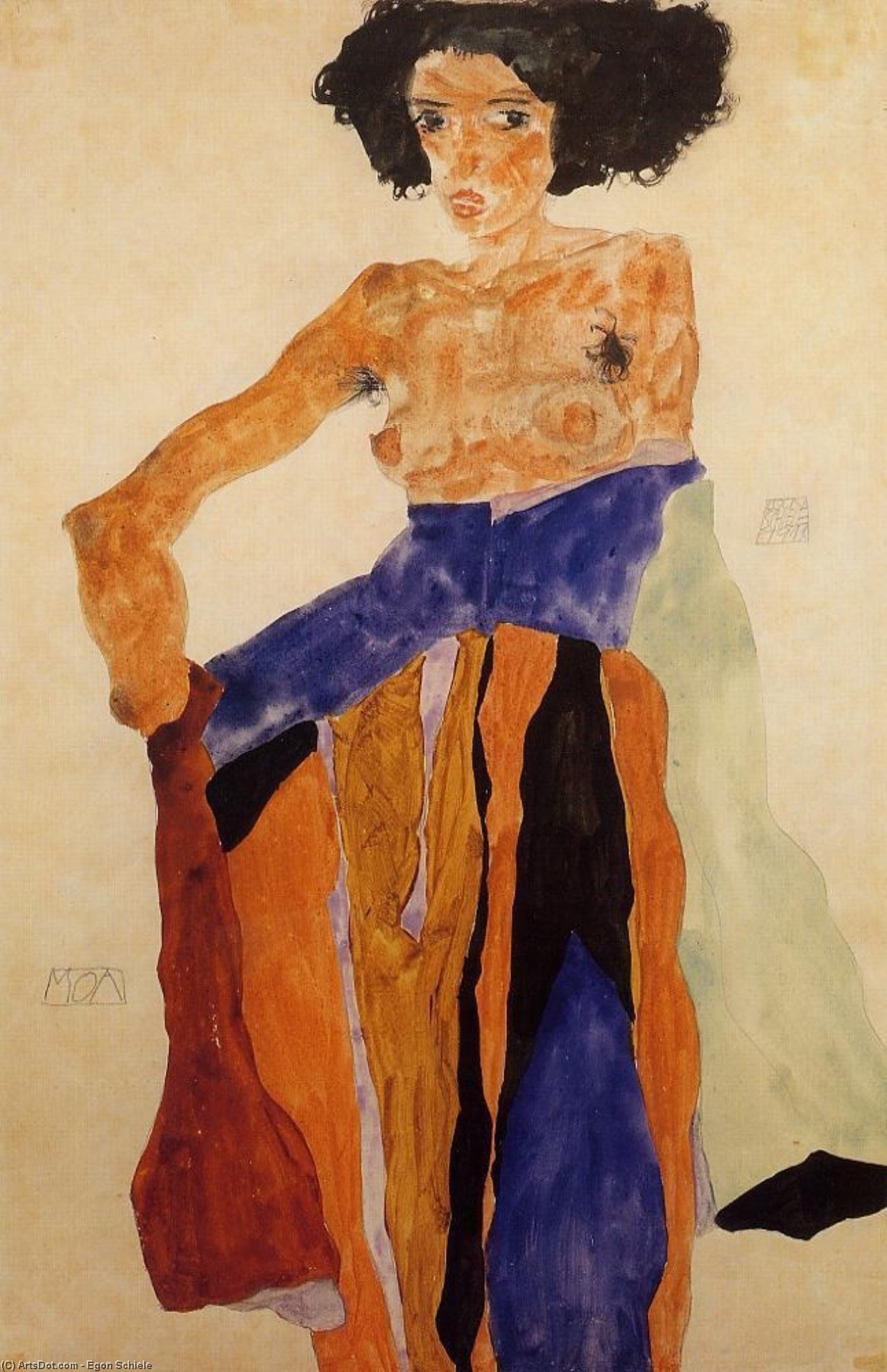
Moa

Egon Schiele’s ‘Moa’ (1911) captures a dancer enveloped in rich textiles, showcasing his Expressionist style & poignant introspection. Explore the painting's emotive power and Schiele’s unique artistic vision.

اكتشف عالم إغون شيلي، الرائد التعبيري النمساوي! لوحاته الصادمة والمؤثرة تستكشف موضوعات الموت، والعزلة، والوجود الإنساني بأسلوب فريد. استمتع بنسخ يدوية رائعة لأعماله!

احصل على صورة رقمية عالية الدقة ومعزّنة، بجودة تفوق بكثير المعاينة عبر الإنترنت.

يتم إعداد كل ملف بعناية فائقة من قبل متخصصينا الداخليين باستخدام أدوات متقدمة ولمسات يدوية خبيرة. نضمن أن تتمتع كل صورة بوضوح استثنائي، ودقة لونية متناهية، وتفاصيل دقيقة.

يتم تسليم الملف النهائي عبر البريد الإلكتروني في غضون 72 ساعة، وهو مُحسَّن للاستخدام الفوري في المجالات المهنية والتحريرية ومجالات الطباعة. هذه هي ذات الجودة التي تعتمد عليها كبرى استوديوهات التصميم ودور النشر والمعارض الفنية المرموقة.

صورة رقمية

حمّل ملفاً عالي الدقة للعرض الشخصي، والطباعة، والمشاريع الإبداعية.

إجمالي السعر

$9.99

مزايا مُضمّنة في كل طلب صورة رقمية

تسليم رقمي احترافي، مضمون

عندما تختار WahooArt.com، فأنت لا تحصل على مجرد صورة فحسب، بل ستحصل على عمل فني رقمي مُحسّن باحترافية، صُمم بدقة متناهية ومصحوب بضمان الرضا. إليك كل ما يتضمنه طلبك تلقائياً:

shipping_icon
تسليم سريع عبر البريد الإلكتروني

ستصلك ملفات صورك الرقمية عالية الدقة عبر البريد الإلكتروني في غضون 72 ساعة من إتمام الطلب - لتكون جاهزة للاستخدام الفوري.

canvas_icon
ملف رقمي مُحسّن بالذكاء الاصطناعي

يتم تحسين عملك الفني باحترافية باستخدام أدوات الذكاء الاصطناعي المتقدمة والتحرير اليدوي، لضمان أقصى درجات التفاصيل والوضوح ودقة الألوان.

insurance_icon
إعادة إرسال مجانية مدى الحياة

هل حذفت ملفك أو فقدته عن طريق الخطأ؟ لا تقلق - سنعيد إرساله إليك في أي وقت، ومجاناً.

tax_icon
بدون رسوم استيراد - على الإطلاق

استمتع بأعمالك الفنية فوراً دون أي رسوم جمركية أو ضرائب أو مصاريف شحن - فالتحميلات الرقمية دائماً ما تكون معفاة من الضرائب.

color_icon
ضمان دقة الألوان

نحن نضمن أن تعكس صورتك الرقمية الألوان الأصلية بأقصى قدر ممكن من الدقة، وذلك باستخدام أدوات احترافية وتقنيات إدارة الألوان.

return_icon
ضمان الرضا لمدة 60 يومًا

إذا لم تكن راضياً عن صورتك الرقمية، فسنقوم بتعديلها أو استرداد 100% من قيمتها خلال 60 يوماً - دون أي أسئلة.

guarantee_icon
ضمان استعادة الأموال بنسبة % 100

لم تكن راضياً؟ احصل على استرداد كامل المبلغ خلال 60 يومًا من استلام ملفك الرقمي - دون أي أسئلة.

discount_icon
خصومات الطلبات الكبيرة

اشتري 3 صور، ووفر 10% - اشتري 5، ووفر 15% - اشتري +10، ووفر 20%. مثالية للمشاريع الإبداعية، والمعارض، والوكالات.

معلومات سريعة

  • Title: Moa
  • Influences: Schiele's work
  • Subject or theme: Human figure, sadness
  • Notable elements: Sad woman, umbrella
  • Artist: Egon Schiele
  • Year: 1911

وصف المقتنى الفني

A Portrait of Melancholy: Egon Schiele's "Moa"

Egon Schiele’s “Moa,” painted in 1911, is not merely a depiction of a woman; it’s an intensely personal and profoundly unsettling meditation on vulnerability, loss, and the human condition. Created during a pivotal period in Schiele's tragically short career – he died at just 28 – the painting embodies the raw emotional intensity that would come to define his oeuvre. The subject, a young woman with her arms crossed in a posture of quiet contemplation, immediately draws the viewer into a space of palpable sadness. Her downward gaze and subtly downturned mouth suggest a deep introspection, perhaps even despair, reflecting the pervasive anxieties of the era.

Expressionist Techniques and Anatomical Precision

  • Style: Schiele’s style is firmly rooted in Expressionism, prioritizing emotional impact over realistic representation. He achieves this through distorted forms, exaggerated features, and a deliberate rejection of idealized beauty.
  • Technique: The painting showcases Schiele's mastery of oil paint, utilizing thick impasto strokes to build up texture and create a sense of physicality. His meticulous attention to anatomical detail, particularly in the rendering of the woman’s hands and face, is juxtaposed with his expressive distortions, creating a dynamic tension between observation and emotion.
  • Color Palette: The muted color palette – dominated by blues, browns, and ochres – contributes significantly to the painting's melancholic atmosphere. These somber tones reinforce the sense of isolation and introspection.

Symbolism Within the Frame

Beyond the immediate portrait, “Moa” is laden with symbolic weight. The umbrella, positioned near the center-left, could represent protection against an overwhelming emotional storm or perhaps a futile attempt to shield oneself from sorrow. The presence of two indistinct figures in the background – partially obscured and seemingly detached – adds another layer of complexity, suggesting themes of loneliness, alienation, and the difficulty of genuine connection. Schiele frequently explored themes of death and decay within his work, likely influenced by the personal tragedies he experienced and the broader anxieties surrounding mortality prevalent at the time. The painting’s creation coincided with a period of significant social and political upheaval in Europe, further contributing to a sense of unease and uncertainty.

Historical Context and Schiele's Legacy

Painted in 1911, “Moa” reflects the artistic ferment of Vienna at the turn of the century. The city was a hub for avant-garde movements, including Expressionism, Secessionism, and Cubism, all seeking to challenge traditional artistic conventions. Schiele’s work, though initially met with criticism, quickly gained recognition for its unflinching honesty and emotional power. His exploration of themes such as sexuality, mortality, and the human psyche continues to resonate with viewers today. As a key figure in early 20th-century art, Schiele's influence extends far beyond his own lifetime, inspiring generations of artists who sought to capture the complexities of the human experience through bold and uncompromising vision. This hand-painted reproduction offers a unique opportunity to possess a piece of this pivotal moment in art history.

أعمال فنية ذات صلة


السيرة الذاتية للفنان

Egon Schiele: Austrian Expressionist Painter

Egon Schiele’s artistic journey began in Tulln an der Donau, Austria, amidst a backdrop of familial hardship—the untimely death of his father from syphilis and the subsequent loss of his sister Elvira. These formative experiences instilled within him a profound sensitivity to mortality and fueled an obsession with exploring the darker recesses of human emotion. Raised initially by his mother and then under the guardianship of his uncle Leopold Czihaczek, Schiele’s childhood lacked conventional stability but fostered a fiercely independent spirit—a characteristic that would permeate his entire artistic career. From a young age, he demonstrated an exceptional talent for drawing, captivated by trains and seeking solace in the natural world around Tulln. His formal artistic training commenced at the Kunstgewerbeschule in Vienna, yet Schiele swiftly recognized the limitations of its conservative pedagogical approach. Dissatisfied with the rigid academic traditions prevailing within the academy, he transferred to the Akademie der bildenden Künste (Academy of Fine Arts), where he continued to grapple with questions of artistic authenticity and innovation. Recognizing Klimt’s influence on his early work—particularly his admiration for Klimt's decorative style and exploration of symbolism—Schiele sought mentorship from the celebrated Viennese artist, absorbing Klimt’s aesthetic principles and stylistic techniques. However, Schiele soon diverged from Klimt’s path, forging a distinctive Expressionist style characterized by its unflinching honesty and psychological intensity. He championed the avant-garde spirit of Vienna's Secession movement—a group that challenged societal norms and embraced artistic experimentation—and collaborated with fellow artists to push boundaries and redefine visual language. Schiele’s oeuvre is marked by recurring motifs reflecting his preoccupation with death, sexuality, anxiety, and isolation—themes he confronted with uncompromising courage and emotional vulnerability. His distinctive style—characterized by elongated figures, contorted poses, and expressive lines—captured the essence of human experience with remarkable precision. He meticulously rendered the human form, particularly the nude, not as an idealized symbol of beauty but as a vehicle for exploring psychological complexities and confronting existential dilemmas. Schiele’s self-portraits stand as poignant reflections of his inner life—revealing moments of profound introspection and grappling with anxieties about identity and mortality. Beyond self-portraiture, he produced numerous portraits capturing likenesses with unsettling realism—penetrating beneath superficial appearances to expose hidden emotions and psychological states. His landscapes—often imbued with melancholic beauty—served as canvases for conveying emotional resonance alongside formal mastery. Schiele’s legacy extends far beyond his artistic achievements; he fundamentally altered the trajectory of Viennese Modernism by rejecting conventional aesthetic standards and embracing psychological exploration. Despite facing censorship and legal challenges—including a brief imprisonment for allegedly corrupting minors with his art—he garnered recognition within Vienna's avant-garde circles, solidifying his position as one of the most influential figures in early 20th-century art. His paintings continue to captivate audiences today—serving as powerful reminders of the transformative potential of artistic vision and unwavering commitment to confronting uncomfortable truths. Schiele’s enduring influence can be discerned across generations of artists who sought inspiration from his bold stylistic choices and profound psychological insights—ensuring that his artistic legacy persists as a testament to human creativity and emotional courage. His work resides in prominent museum collections globally, guaranteeing its continued appreciation and scholarly study for years to come.
إغون شيله

إغون شيله

1890 - 1918 , أوٽرېڊېش

لمحة سريعة

  • Artistic Movement Or Style: التعبيرية الفنية
  • Artists Who Influenced This Artist:
    • غُسْتَاف كْلِمْت
    • مُعَلِّمٌ أَوْسْتْرِيَانِي
  • Date Of Birth: ١٢ يونيو ١٨٩٠
  • Date Of Death: ٣١ أكتوبر ١٩١٨
  • Full Name: إِغُون شَيْلَة
  • Nationality: أَوْسْتْرِيَانِي
  • Notable Artworks: ['إِطْيَارَةٌ بِالْجِسْمَانِ وَالرُّوحِ"، "زَوْجٌ يَتَّضَمُّ"، "لَهَبَةُ الْأَرْضِ تَكْرِيمًا لِلْقُرْبَةِ']
  • Place Of Birth: تۇلْن، أَوْسْتْرِيَا

