استشارة فنية مجانية

x
اطلب نسخة مرسومة يدوياً اطلب نسخة مرسومة يدوياًشراء الصورة بدقة عالية شراء الصورة بدقة عالية مشاركةمشاركة
التفاصيلالتفاصيل أضف إلى المفضلة أضف إلى المفضلة تحميل الملفتحميل الملف قطع مشابهةقطع مشابهة الأشعة السينيةالأشعة السينية عرض شرائحعرض شرائح

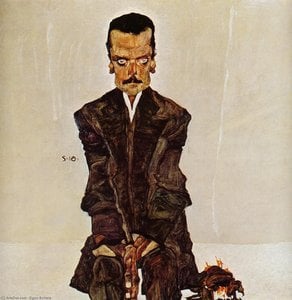
Hermits

اكتشف عالم إغون شيلي، الرائد التعبيري النمساوي! لوحاته الصادمة والمؤثرة تستكشف موضوعات الموت، والعزلة، والوجود الإنساني بأسلوب فريد. استمتع بنسخ يدوية رائعة لأعماله!

طباعة جيلي / مطبوعات فنية

طباعة جيكلي أو كانفاس بجودة المتاحف، مع سرعة في التنفيذ وخيارات متنوعة للتشطيب.

P118B $10
P118H $10
P118W $10
P438Z $10
P508JH $12
P508YH $12
P805H $10
P805Z $10
P919BZ $10
P919G $10
P919XJ $10
P959ZH $10
P968JZ $12
W106C $8
W218G $10
W218JH $8
W218Y $10
W307PJ $10
W316G $10
W316PJ $8
W316Y $10
W398PJ $8
W4111J $10
W500HY $15
W500JH $15
W692G $12
W849H $8
W940BG $15
W953PJ $8

Standard
custom
CM
INCH

اختر من بين أحجامنا المُعدّة مسبقًا والتي تتطابق مع النسب الأصلية للعمل الفني.

العرض
الارتفاع

يمكنك إدخال أبعادك الخاصة لتناسب إطاراً أو مساحة معينة. وإذا لم يتطابق الحجم الذي اخترته مع نسب الصورة الأصلية، فسنقوم إما بقص العمل الفني أو تمديد الصورة باستخدام حافة معكوسة أو بلون مصمت. سيتم إرسال نموذج تجريبي رقمي لاعتمادك قبل بدء الإنتاج.
يرجى ملاحظة أن المعاينة على الشاشة لا تعكس عملية القص أو التمديد الفعلية؛ حيث سيوضح النموذج التجريبي فقط التكوين النهائي بدقة.
وعلى الرغم من توفر أحجام مخصصة، إلا أننا نوصي باختيار أبعاد من القائمة المحددة مسبقاً للحفاظ على النسب الأصلية.

توصيل عالمي إلى خلال أسبوعين بدلاً من المدة القياسية البالغة 4/5 أسابيع. 2 يوليو

why_choose_icon
شحن سريع ومجاني لجميع أنحاء العالم
why_choose_icon
قماش كتان عالي الجودة
why_choose_icon
تأمين شحن شامل
why_choose_icon
ضمان استرداد الرسوم الجمركية
why_choose_icon
ضمان مطابقة الألوان الحقيقية
why_choose_icon
سياسة الإرجاع خلال 60 يومًا (في حالات العيوب فقط)
why_choose_icon
ضمان استرداد نقدي بنسبة 100%
why_choose_icon
خصم عند طلب عدة قطع

إجمالي السعر

-

reproduction

Hermits

طباعة جيلي / مطبوعات فنية

مقاس النسخة المطبوعة

-

السعر الإجمالي النهائي

-

معلومات سريعة

  • Medium: Oil on canvas
  • Location: Leopold Museum, Vienna
  • Artistic style: Emotional depth; Intimate embrace
  • Subject or theme: Human connection; Religious figures
  • Title: Hermits
  • Artist: Egon Schiele

اختبار الفنون

يوجد إجابة صحيحة واحدة فقط لكل سؤال.

سؤال 1:
What artistic movement is Egon Schiele’s ‘Hermits’ primarily associated with?
سؤال 2:
The painting depicts two men in robes, suggesting they might be:
سؤال 3:
Schiele’s use of bold brushstrokes and contrasting light and shadow contributes to the painting's overall effect by:
سؤال 4:
What is a key characteristic of Expressionist art as exemplified in ‘Hermits’?
سؤال 5:
Why is ‘Hermits’ considered a significant work within Schiele's oeuvre?

وصف القطعة الفنية

A Portrait of Intimacy Amidst Existential Angst

Egon Schiele’s “The Hermits,” completed in 1912, stands as a cornerstone of Austrian Expressionism and a profoundly unsettling meditation on human connection—a juxtaposition that continues to captivate audiences over a century later. Painted in oil on canvas, this deceptively simple composition belies the complex psychological landscape it portrays, reflecting Schiele’s preoccupation with themes of vulnerability, isolation, and the inescapable awareness of mortality.

Composition and Style: A Balanced Embrace

The painting depicts two figures positioned close together, their arms entwined around one another in an embrace that conveys both physical closeness and unspoken emotional resonance. Schiele meticulously crafted this scene, utilizing a square canvas to heighten its visual impact and emphasizing symmetry—a deliberate choice that underscores the balance between intimacy and unease inherent in the artwork. The figures are draped in robes or togas, hinting at religious iconography – perhaps referencing monks or saints – yet their postures are remarkably naturalistic, eschewing idealized representations for a palpable sense of physicality. Schiele’s masterful brushwork contributes significantly to the painting's expressive power; bold strokes and contrasting light and shadow sculpt the forms with remarkable precision, conveying a visceral immediacy that distinguishes him from earlier artistic traditions.

Expressionism Unleashed: Beyond Realistic Representation

Schiele’s stylistic allegiance firmly resides within Expressionism, rejecting the pursuit of objective visual accuracy in favor of capturing subjective emotional experience. This is powerfully evident in the figures' faces—particularly the gaze of the man on the left—which convey a disconcerting blend of vulnerability and apprehension. The artist deliberately exaggerates facial expressions and body language to amplify the psychological drama unfolding before the viewer’s eyes, mirroring Schiele’s broader artistic impulse to confront uncomfortable truths about human existence. Unlike Impressionists who sought to capture fleeting moments of beauty, Schiele aimed to distill profound emotions into a single image—a feat achieved with remarkable success.

Historical Context: The Dawn of Expressionism

“The Hermits” emerged during the formative years of Expressionism, a movement that reacted against the prevailing optimism and rationalism of the Belle Époque. Artists like Schiele sought to express inner turmoil and anxieties through distorted forms and jarring colors—a deliberate rejection of academic conventions. Influenced by Nietzsche’s philosophy of nihilism and grappling with personal struggles related to illness and loss (including his father's syphilis), Schiele channeled these experiences into his art, creating works that resonate with a deep sense of melancholy and existential dread. The painting reflects the broader cultural anxieties of its time—a period marked by rapid industrialization, social upheaval, and a growing awareness of psychological complexities.

Symbolism and Emotional Resonance: A Silent Dialogue

The embrace itself is laden with symbolic significance. It represents not merely physical affection but also an attempt to find solace in companionship amidst the pervasive feeling of isolation that characterizes Schiele’s oeuvre. The robes or togas serve as a visual shorthand for spirituality, yet their subdued colors contribute to the painting's overall atmosphere of quiet contemplation—a stark contrast to the turbulent emotions conveyed through facial expressions. Ultimately, “The Hermits” compels viewers to confront questions about human relationships and the inescapable confrontation with mortality—themes that continue to resonate powerfully in contemporary art and culture. It’s a haunting reminder that beauty can coexist with sorrow, and that true intimacy requires acknowledging the vulnerability inherent in our shared humanity.

A Timeless Reflection: Why “The Hermits” Matters Today

Schiele's masterful depiction of human connection transcends its historical context, offering an enduring meditation on the complexities of emotion and experience. Its stark simplicity belies a profound psychological depth—a characteristic that continues to inspire artists and captivate audiences alike. A high-quality reproduction of "The Hermits" can serve as a striking centerpiece in interior design schemes, injecting a dose of intellectual contemplation alongside aesthetic beauty. Consider framing it in a neutral tone to maximize its impact and allow the painting's evocative imagery to speak for itself—a testament to Schiele’s enduring legacy as one of Expressionism’s most poignant voices.

السيرة الذاتية للفنان

Egon Schiele: Austrian Expressionist Painter

Egon Schiele’s artistic journey began in Tulln an der Donau, Austria, amidst a backdrop of familial hardship—the untimely death of his father from syphilis and the subsequent loss of his sister Elvira. These formative experiences instilled within him a profound sensitivity to mortality and fueled an obsession with exploring the darker recesses of human emotion. Raised initially by his mother and then under the guardianship of his uncle Leopold Czihaczek, Schiele’s childhood lacked conventional stability but fostered a fiercely independent spirit—a characteristic that would permeate his entire artistic career. From a young age, he demonstrated an exceptional talent for drawing, captivated by trains and seeking solace in the natural world around Tulln. His formal artistic training commenced at the Kunstgewerbeschule in Vienna, yet Schiele swiftly recognized the limitations of its conservative pedagogical approach. Dissatisfied with the rigid academic traditions prevailing within the academy, he transferred to the Akademie der bildenden Künste (Academy of Fine Arts), where he continued to grapple with questions of artistic authenticity and innovation. Recognizing Klimt’s influence on his early work—particularly his admiration for Klimt's decorative style and exploration of symbolism—Schiele sought mentorship from the celebrated Viennese artist, absorbing Klimt’s aesthetic principles and stylistic techniques. However, Schiele soon diverged from Klimt’s path, forging a distinctive Expressionist style characterized by its unflinching honesty and psychological intensity. He championed the avant-garde spirit of Vienna's Secession movement—a group that challenged societal norms and embraced artistic experimentation—and collaborated with fellow artists to push boundaries and redefine visual language. Schiele’s oeuvre is marked by recurring motifs reflecting his preoccupation with death, sexuality, anxiety, and isolation—themes he confronted with uncompromising courage and emotional vulnerability. His distinctive style—characterized by elongated figures, contorted poses, and expressive lines—captured the essence of human experience with remarkable precision. He meticulously rendered the human form, particularly the nude, not as an idealized symbol of beauty but as a vehicle for exploring psychological complexities and confronting existential dilemmas. Schiele’s self-portraits stand as poignant reflections of his inner life—revealing moments of profound introspection and grappling with anxieties about identity and mortality. Beyond self-portraiture, he produced numerous portraits capturing likenesses with unsettling realism—penetrating beneath superficial appearances to expose hidden emotions and psychological states. His landscapes—often imbued with melancholic beauty—served as canvases for conveying emotional resonance alongside formal mastery. Schiele’s legacy extends far beyond his artistic achievements; he fundamentally altered the trajectory of Viennese Modernism by rejecting conventional aesthetic standards and embracing psychological exploration. Despite facing censorship and legal challenges—including a brief imprisonment for allegedly corrupting minors with his art—he garnered recognition within Vienna's avant-garde circles, solidifying his position as one of the most influential figures in early 20th-century art. His paintings continue to captivate audiences today—serving as powerful reminders of the transformative potential of artistic vision and unwavering commitment to confronting uncomfortable truths. Schiele’s enduring influence can be discerned across generations of artists who sought inspiration from his bold stylistic choices and profound psychological insights—ensuring that his artistic legacy persists as a testament to human creativity and emotional courage. His work resides in prominent museum collections globally, guaranteeing its continued appreciation and scholarly study for years to come.
إغون شيله

إغون شيله

1890 - 1918 , أوٽرېڊېش

حقائق سريعة

  • Artistic Movement Or Style: التعبيرية الفنية
  • Artists Who Influenced This Artist:
    • غُسْتَاف كْلِمْت
    • مُعَلِّمٌ أَوْسْتْرِيَانِي
  • Date Of Birth: ١٢ يونيو ١٨٩٠
  • Date Of Death: ٣١ أكتوبر ١٩١٨
  • Full Name: إِغُون شَيْلَة
  • Nationality: أَوْسْتْرِيَانِي
  • Notable Artworks: ['إِطْيَارَةٌ بِالْجِسْمَانِ وَالرُّوحِ"، "زَوْجٌ يَتَّضَمُّ"، "لَهَبَةُ الْأَرْضِ تَكْرِيمًا لِلْقُرْبَةِ']
  • Place Of Birth: تۇلْن، أَوْسْتْرِيَا
استكشف الأعمال الفنية المصنفة حسب الموضوعات والأنماط والخصائص.