استشارة فنية مجانية

x
اطلب نسخة مرسومة يدوياً اطلب نسخة مرسومة يدوياًشراء الصورة بدقة عالية شراء الصورة بدقة عالية مشاركةمشاركة
التفاصيلالتفاصيل أضف إلى المفضلة أضف إلى المفضلة تحميل الملفتحميل الملف قطع مشابهةقطع مشابهة الأشعة السينيةالأشعة السينية عرض شرائحعرض شرائح

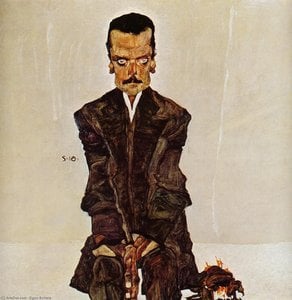
Eros

اكتشف عالم إغون شيلي، الرائد التعبيري النمساوي! لوحاته الصادمة والمؤثرة تستكشف موضوعات الموت، والعزلة، والوجود الإنساني بأسلوب فريد. استمتع بنسخ يدوية رائعة لأعماله!

طباعة جيلي / مطبوعات فنية

طباعة جيكلي أو كانفاس بجودة المتاحف، مع سرعة في التنفيذ وخيارات متنوعة للتشطيب.

P118B $10
P118H $10
P118W $10
P438Z $10
P508JH $12
P508YH $12
P805H $10
P805Z $10
P919BZ $10
P919G $10
P919XJ $10
P959ZH $10
P968JZ $12
W106C $8
W218G $10
W218JH $8
W218Y $10
W307PJ $10
W316G $10
W316PJ $8
W316Y $10
W398PJ $8
W4111J $10
W500HY $15
W500JH $15
W692G $12
W849H $8
W940BG $15
W953PJ $8

Standard
custom
CM
INCH

اختر من بين أحجامنا المُعدّة مسبقًا والتي تتطابق مع النسب الأصلية للعمل الفني.

العرض
الارتفاع

يمكنك إدخال أبعادك الخاصة لتناسب إطاراً أو مساحة معينة. وإذا لم يتطابق الحجم الذي اخترته مع نسب الصورة الأصلية، فسنقوم إما بقص العمل الفني أو تمديد الصورة باستخدام حافة معكوسة أو بلون مصمت. سيتم إرسال نموذج تجريبي رقمي لاعتمادك قبل بدء الإنتاج.
يرجى ملاحظة أن المعاينة على الشاشة لا تعكس عملية القص أو التمديد الفعلية؛ حيث سيوضح النموذج التجريبي فقط التكوين النهائي بدقة.
وعلى الرغم من توفر أحجام مخصصة، إلا أننا نوصي باختيار أبعاد من القائمة المحددة مسبقاً للحفاظ على النسب الأصلية.

توصيل عالمي إلى خلال أسبوعين بدلاً من المدة القياسية البالغة 4/5 أسابيع. 3 يوليو

why_choose_icon
شحن سريع ومجاني لجميع أنحاء العالم
why_choose_icon
قماش كتان عالي الجودة
why_choose_icon
تأمين شحن شامل
why_choose_icon
ضمان استرداد الرسوم الجمركية
why_choose_icon
ضمان مطابقة الألوان الحقيقية
why_choose_icon
سياسة الإرجاع خلال 60 يومًا (في حالات العيوب فقط)
why_choose_icon
ضمان استرداد نقدي بنسبة 100%
why_choose_icon
خصم عند طلب عدة قطع

إجمالي السعر

-

reproduction

Eros

طباعة جيلي / مطبوعات فنية

مقاس النسخة المطبوعة

-

السعر الإجمالي النهائي

-

معلومات سريعة

  • Medium: Oil on Canvas (likely)
  • Movement: Expressionism
  • Influences: Gustav Klimt
  • Artist: Egon Schiele
  • Notable elements or techniques: Distorted face, red object
  • Artistic style: Expressionist

اختبار الفنون

يوجد إجابة صحيحة واحدة فقط لكل سؤال.

سؤال 1:
Egon Schiele’s ‘Eros’ is most accurately described as a depiction of:
سؤال 2:
Which artistic movement is ‘Eros’ unequivocally categorized within?
سؤال 3:
The prominent red object in the lower portion of ‘Eros’ is often interpreted as:
سؤال 4:
Who was a significant artistic influence on Egon Schiele, from whom he initially studied?
سؤال 5:
The technique used in 'Eros' prioritizes what over realistic representation?

وصف القطعة الفنية

A Visceral Encounter with Modern Angst: Decoding Egon Schiele’s ‘Eros’

Egon Schiele’s ‘Eros’ is not an invitation to classical beauty, nor a celebration of romantic love—despite its provocative title. Instead, it's a raw and unsettling confrontation with the vulnerabilities inherent in the human condition, a hallmark of his intensely personal Expressionist style. The painting plunges the viewer into a world of psychological turmoil, where shame, isolation, and societal critique intertwine. A tightly cropped composition focuses on the seated male figure’s upper torso and head, immediately creating an intimate yet claustrophobic atmosphere. Schiele deliberately distorts facial features—exaggerating eyes, nose, and brow—to amplify the subject's emotional distress. The figure is draped in rough, layered fabrics that hint at hardship or poverty, further emphasizing a sense of fragility. Dominating the lower portion of the canvas is a jarring element: a boldly rendered red form, strongly suggestive of a phallus, positioned prominently near the figure’s legs, immediately arresting the gaze and introducing a complex layer of symbolism.

The Language of Emotion: Style and Technique

‘Eros’ stands as a definitive example of Expressionism, a movement that prioritized emotional impact over realistic representation. Schiele employs loose, gestural brushstrokes and a flattened perspective, rejecting traditional artistic conventions in favor of directness and immediacy. The visible texture of the oil paint on canvas adds to this rawness, creating a sense of urgency and unfiltered emotion. His technique echoes that of contemporaries like Otto Dix and George Grosz, artists known for their unflinching portrayals of social and psychological distress in the aftermath of World War I. A somber mood pervades the painting, established through a color palette dominated by earthy tones—browns, ochres, and muted greens—that contribute to its melancholic atmosphere. Schiele wasn’t merely depicting a figure; he was excavating an internal landscape of pain and alienation, translating it onto the canvas with visceral intensity.

Vienna's Shadow: Historical Context and Artistic Lineage

Born in 1890, Egon Schiele lived through a period of immense social and political upheaval. His artistic development unfolded during the early 20th century, a time when traditional norms were being challenged by movements like Expressionism and Cubism. Schiele’s initial training under Gustav Klimt proved formative, but he quickly diverged from his mentor's decorative elegance, forging his own distinct style characterized by psychological intensity and often unsettling imagery. The *Wiener Werkstätte* (Vienna Workshop) also influenced the artistic climate in which Schiele worked, though he ultimately rejected their aesthetic principles, preferring a more direct and emotionally charged approach to portraiture. The societal anxieties of Vienna—a city grappling with modernity, repression, and impending war—permeate his work, making ‘Eros’ not just a personal statement but also a reflection of its time.

Unveiling the Symbolism: Desire, Shame, and Existential Anguish

The symbolism within ‘Eros’ is deliberately ambiguous, inviting multiple interpretations. The distorted face speaks to inner turmoil and psychological fragmentation, while the prominent red object introduces themes of sexuality, shame, or a critique of societal norms surrounding desire. It can be interpreted as a symbol of repressed urges, the commodification of the body, or even a commentary on the anxieties surrounding masculinity. The overall atmosphere evokes alienation, isolation, and a profound sense of existential angst—a feeling of being adrift in a meaningless world. Schiele’s willingness to explore taboo subjects and challenge conventional morality made him a controversial figure during his lifetime, but it also cemented his legacy as an artist who dared to confront the darker aspects of the human experience. ‘Eros’ is not simply a painting to be observed; it's an emotional encounter that lingers long after one turns away.

أعمال فنية ذات صلة


السيرة الذاتية للفنان

Egon Schiele: Austrian Expressionist Painter

Egon Schiele’s artistic journey began in Tulln an der Donau, Austria, amidst a backdrop of familial hardship—the untimely death of his father from syphilis and the subsequent loss of his sister Elvira. These formative experiences instilled within him a profound sensitivity to mortality and fueled an obsession with exploring the darker recesses of human emotion. Raised initially by his mother and then under the guardianship of his uncle Leopold Czihaczek, Schiele’s childhood lacked conventional stability but fostered a fiercely independent spirit—a characteristic that would permeate his entire artistic career. From a young age, he demonstrated an exceptional talent for drawing, captivated by trains and seeking solace in the natural world around Tulln. His formal artistic training commenced at the Kunstgewerbeschule in Vienna, yet Schiele swiftly recognized the limitations of its conservative pedagogical approach. Dissatisfied with the rigid academic traditions prevailing within the academy, he transferred to the Akademie der bildenden Künste (Academy of Fine Arts), where he continued to grapple with questions of artistic authenticity and innovation. Recognizing Klimt’s influence on his early work—particularly his admiration for Klimt's decorative style and exploration of symbolism—Schiele sought mentorship from the celebrated Viennese artist, absorbing Klimt’s aesthetic principles and stylistic techniques. However, Schiele soon diverged from Klimt’s path, forging a distinctive Expressionist style characterized by its unflinching honesty and psychological intensity. He championed the avant-garde spirit of Vienna's Secession movement—a group that challenged societal norms and embraced artistic experimentation—and collaborated with fellow artists to push boundaries and redefine visual language. Schiele’s oeuvre is marked by recurring motifs reflecting his preoccupation with death, sexuality, anxiety, and isolation—themes he confronted with uncompromising courage and emotional vulnerability. His distinctive style—characterized by elongated figures, contorted poses, and expressive lines—captured the essence of human experience with remarkable precision. He meticulously rendered the human form, particularly the nude, not as an idealized symbol of beauty but as a vehicle for exploring psychological complexities and confronting existential dilemmas. Schiele’s self-portraits stand as poignant reflections of his inner life—revealing moments of profound introspection and grappling with anxieties about identity and mortality. Beyond self-portraiture, he produced numerous portraits capturing likenesses with unsettling realism—penetrating beneath superficial appearances to expose hidden emotions and psychological states. His landscapes—often imbued with melancholic beauty—served as canvases for conveying emotional resonance alongside formal mastery. Schiele’s legacy extends far beyond his artistic achievements; he fundamentally altered the trajectory of Viennese Modernism by rejecting conventional aesthetic standards and embracing psychological exploration. Despite facing censorship and legal challenges—including a brief imprisonment for allegedly corrupting minors with his art—he garnered recognition within Vienna's avant-garde circles, solidifying his position as one of the most influential figures in early 20th-century art. His paintings continue to captivate audiences today—serving as powerful reminders of the transformative potential of artistic vision and unwavering commitment to confronting uncomfortable truths. Schiele’s enduring influence can be discerned across generations of artists who sought inspiration from his bold stylistic choices and profound psychological insights—ensuring that his artistic legacy persists as a testament to human creativity and emotional courage. His work resides in prominent museum collections globally, guaranteeing its continued appreciation and scholarly study for years to come.
إغون شيله

إغون شيله

1890 - 1918 , أوٽرېڊېش

حقائق سريعة

  • Artistic Movement Or Style: التعبيرية الفنية
  • Artists Who Influenced This Artist:
    • غُسْتَاف كْلِمْت
    • مُعَلِّمٌ أَوْسْتْرِيَانِي
  • Date Of Birth: ١٢ يونيو ١٨٩٠
  • Date Of Death: ٣١ أكتوبر ١٩١٨
  • Full Name: إِغُون شَيْلَة
  • Nationality: أَوْسْتْرِيَانِي
  • Notable Artworks: ['إِطْيَارَةٌ بِالْجِسْمَانِ وَالرُّوحِ"، "زَوْجٌ يَتَّضَمُّ"، "لَهَبَةُ الْأَرْضِ تَكْرِيمًا لِلْقُرْبَةِ']
  • Place Of Birth: تۇلْن، أَوْسْتْرِيَا
استكشف الأعمال الفنية المصنفة حسب الموضوعات والأنماط والخصائص.