


طباعة جيكلي أو كانفاس بجودة المتاحف، مع سرعة في التنفيذ وخيارات متنوعة للتشطيب. ( اشترِ لوحة مرسومة يدويًا اشترِ الصورة)





























اختر من بين أحجامنا المُعدّة مسبقًا والتي تتطابق مع النسب الأصلية للعمل الفني.

يمكنك إدخال أبعادك الخاصة لتناسب إطاراً أو مساحة معينة. وإذا لم يتطابق الحجم الذي اخترته مع نسب الصورة الأصلية، فسنقوم إما بقص العمل الفني أو تمديد الصورة باستخدام حافة معكوسة أو بلون مصمت. سيتم إرسال نموذج تجريبي رقمي لاعتمادك قبل بدء الإنتاج.
يرجى ملاحظة أن المعاينة على الشاشة لا تعكس عملية القص أو التمديد الفعلية؛ حيث سيوضح النموذج التجريبي فقط التكوين النهائي بدقة.
وعلى الرغم من توفر أحجام مخصصة، إلا أننا نوصي باختيار أبعاد من القائمة المحددة مسبقاً للحفاظ على النسب الأصلية.
توصيل عالمي إلى خلال أسبوعين بدلاً من المدة القياسية البالغة 4/5 أسابيع. 7 سبتمبر


Rocks at the Fort Gloucester
مقاس النسخة المطبوعة
Edward Hopper's 1924 painting, “Rocks at the Fort Gloucester,” is more than just a landscape; it’s a quiet meditation on human presence within the vastness of nature and a subtle exploration of isolation – themes that would come to define his iconic artistic style. Painted during a pivotal period in his development, while vacationing with his future wife Josephine Nivison in Gloucester, Massachusetts, this work showcases Hopper's burgeoning mastery of watercolor and his keen eye for capturing the essence of American life, even in its most unassuming moments. The scene depicts a man, accompanied by two dogs and subtly shadowed figures, standing atop a grassy hill overlooking a coastal fort. He holds a gun casually, not menacingly, but as an extension of his presence within this rugged terrain. The composition is deceptively simple, yet profoundly evocative, drawing the viewer into a contemplative space where the boundaries between observation and participation blur.
“Rocks at the Fort Gloucester” marks a significant step in Hopper’s artistic journey, particularly his exploration of watercolor as a medium. Encouraged by Josephine to experiment with this fluid technique, he discovered its capacity for capturing light and atmosphere with remarkable sensitivity. Unlike the bold brushstrokes often associated with Impressionism, Hopper employs a more restrained approach, building up layers of translucent washes to create depth and texture. The muted palette – dominated by earthy greens, browns, and grays – reinforces the painting’s somber mood and emphasizes the ruggedness of the landscape. The precise rendering of the figures and architectural elements reveals his grounding in realism, yet there's a deliberate simplification of form that anticipates his later, more iconic works. The careful attention to light—how it falls across the hillside, illuminates the man’s figure, and casts shadows—is characteristic of Hopper’s meticulous approach and contributes significantly to the painting’s emotional resonance.
While seemingly straightforward in its depiction, “Rocks at the Fort Gloucester” is rich with symbolic undertones. The fort itself, a relic of past conflicts, suggests themes of history, defense, and perhaps even vulnerability. The man standing on the hill can be interpreted as a solitary figure contemplating his place within this larger context. His possession of a gun doesn’t necessarily imply aggression but could symbolize self-reliance or a connection to the American frontier spirit. The dogs, loyal companions, offer a counterpoint to the man's solitude, hinting at a desire for connection and belonging. Hopper often explored themes of alienation and loneliness in his work, reflecting a growing sense of unease within modern American society. “Rocks at the Fort Gloucester” can be seen as an early expression of these concerns, foreshadowing the emotional depth and psychological complexity that would characterize his later masterpieces like “Nighthawks.” The painting invites us to consider our own relationship with nature, history, and the enduring human need for connection in a rapidly changing world.
Edward Hopper’s influence on American art is undeniable. His ability to capture the quiet dramas of everyday life, his masterful use of light and shadow, and his exploration of universal themes continue to resonate with audiences today. “Rocks at the Fort Gloucester,” while perhaps less famous than some of his later works, stands as a crucial piece in understanding Hopper’s artistic development and the evolution of his unique vision. It is a painting that rewards careful contemplation, offering a glimpse into the American psyche and inviting us to reflect on our own place within the vastness of existence. Owning a reproduction of this work isn't simply acquiring an image; it's welcoming a piece of American artistic heritage into your space—a subtle yet powerful reminder of the beauty and complexity of the human condition.


1931 - 1967 , الولايات المتحدة الأمريكية

اكتشف 25 تحفة فنية لإدوارد هوبر، رائد الواقعية الأمريكية. استكشف قصص لوحاته الخالدة وألوانها المؤثرة وتقنياته الفريدة. احصل على نسخ عالية الجودة لتزيين منزلك بأعمال فنية أصيلة. تصفح المجموعة الكاملة الآن على WahooArt.com!

Explore 10 defining American Realism masterpieces – Hopper, Homer & more. Discover the stories behind these iconic paintings and bring timeless art to your home with WahooArt's museum-quality reproductions. Explore the full collection online.

Explore the world of Grant Wood & American Regionalism with WahooArt. Discover the symbolism behind 'American Gothic', recurring themes, and the movement's lasting impact on art history. High-quality reproductions available.
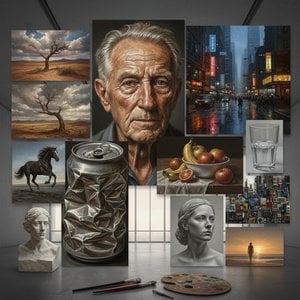
اكتشف 10 روائع فنية رسمت الواقعية المعاصرة! استكشف قصص الفنانين، تقنياتهم، وأعمالهم الخالدة. من لوحات زيتية نابضة بالحياة إلى أسلوب الرسم الواقعي المذهل. #WahooArt: وجهتك للتحف الفنية و ديكور منتقى بعناية. تصفح المجموعة الآن!

Explore the profound beauty of American Realism. From the Ashcan School's urban grit to intimate portraits, discover how artists captured the authentic soul of a nation through unvarnished truth and masterful observation.

 معاينة الحجم الحقيقي
 مشاركة
 مشاركة
 التفاصيل

 تحميل الملف
 قطع مشابهة
 الأشعة السينية
 عرض شرائح

 عرض المزيد







 خيار الزجاج متاح فقط للمقاسات التي تقل عن 110 سم


