


x


 اطلب نسخة مرسومة يدوياً شراء الصورة بدقة عالية
 مشاركة
 التفاصيل
 أضف إلى المفضلة
 تحميل الملف
 قطع مشابهة
 الأشعة السينية
 عرض شرائح
طباعة جيكلي أو كانفاس بجودة المتاحف، مع سرعة في التنفيذ وخيارات متنوعة للتشطيب.





























اختر من بين أحجامنا المُعدّة مسبقًا والتي تتطابق مع النسب الأصلية للعمل الفني.

يمكنك إدخال أبعادك الخاصة لتناسب إطاراً أو مساحة معينة. وإذا لم يتطابق الحجم الذي اخترته مع نسب الصورة الأصلية، فسنقوم إما بقص العمل الفني أو تمديد الصورة باستخدام حافة معكوسة أو بلون مصمت. سيتم إرسال نموذج تجريبي رقمي لاعتمادك قبل بدء الإنتاج.
يرجى ملاحظة أن المعاينة على الشاشة لا تعكس عملية القص أو التمديد الفعلية؛ حيث سيوضح النموذج التجريبي فقط التكوين النهائي بدقة.
وعلى الرغم من توفر أحجام مخصصة، إلا أننا نوصي باختيار أبعاد من القائمة المحددة مسبقاً للحفاظ على النسب الأصلية.
توصيل عالمي إلى خلال أسبوعين بدلاً من المدة القياسية البالغة 4/5 أسابيع. 6 يوليو


untitled (8227)
مقاس النسخة المطبوعة
Before us lies a profoundly unsettling portrait, an image that immediately evokes the shadowed depths of the human psyche. This black and white rendition of a man – identified only as “Untitled (8227)” – isn't merely a likeness; it’s a carefully constructed embodiment of anxiety, isolation, and perhaps even a premonition of mortality. The painting, executed by the Norwegian Expressionist master Edvard Munch, transcends simple representation, plunging the viewer directly into the artist’s intensely personal world of emotional experience. The stark contrast between light and shadow, the deliberate flatness of the composition, and the subject's impassive yet subtly troubled gaze all contribute to a palpable sense of unease – a feeling that resonates deeply with the spirit of Munch’s oeuvre.

To truly appreciate ‘Untitled (8227)’, one must understand the formative experiences that shaped Edvard Munch's artistic vision. Born in 1863 amidst a landscape scarred by illness and premature death – his mother succumbed to tuberculosis when he was five, followed tragically by his sister Johanne Sophie just two years later – Munch’s childhood was steeped in grief and a pervasive awareness of fragility. His father, a strict religious man, instilled within him a sense of dread and an acute sensitivity to the darker aspects of human existence. These early traumas weren't simply biographical details; they became the bedrock upon which he built his artistic language, fueling a relentless exploration of themes like death, anxiety, and the struggle for connection in a world seemingly indifferent to suffering. As Munch himself famously stated, “I have tried to depict the workings of my soul.” This painting is a potent manifestation of that very endeavor.
The influence of his father’s beliefs, combined with his own struggles with mental health and the unsettling atmosphere of his family life, created an environment ripe for artistic expression. Munch's exploration of these themes extended beyond personal experience; he was deeply influenced by contemporary philosophical currents, particularly those questioning traditional religious dogma and exploring the nature of human consciousness.
The composition itself is deliberately unsettling. The man’s posture – seated rigidly in a chair positioned behind him – creates an immediate sense of detachment and introspection. His expression, though seemingly neutral, hints at a profound inner turmoil; the slight furrow of his brow, the downward turn of his mouth, all contribute to this feeling of suppressed anguish. The inclusion of books scattered around him suggests a mind grappling with ideas, perhaps seeking solace or understanding in knowledge, yet ultimately unable to escape the weight of his emotions. The two additional chairs further emphasize his isolation and the difficulty he has connecting with others.
Munch’s masterful use of black and white photography lends the image an almost photographic realism, intensifying its emotional impact. The stark contrasts heighten the sense of drama and underscore the subject's vulnerability. The deliberate lack of color forces the viewer to focus entirely on the figure’s expression and posture, amplifying the feeling of unease. This technique is characteristic of Munch’s approach – he sought to capture not just appearances but the very essence of human emotion.
‘Untitled (8227)’ stands as a powerful testament to Munch’s ability to translate personal suffering into universal themes. It resonates with viewers today precisely because it taps into our own anxieties about mortality, isolation, and the complexities of human relationships. The painting's exploration of psychological states anticipated many of the concerns that would dominate 20th-century art and literature – particularly the rise of Expressionism and its focus on subjective experience. Reproductions of this work continue to be studied and admired for their ability to evoke a profound emotional response, cementing Munch’s place as one of the most important artists in modern history. WahooArt offers exceptional hand-painted reproductions that capture the essence of this iconic image, allowing you to bring its haunting beauty into your own space.


في قلب النرويج، حيث تتلاقى المناظر الطبيعية الخلابة مع صقيع الشتاء القارس، وُلد إدفارد مونش عام 1863، ليصبح أحد أبرز فناني القرن العشرين. لم يكن مونش مجرد رسام؛ بل كان شاعرًا بصريًا، عبّر عن أعماق النفس البشرية بجرأة وشاعرية فريدة. حياته، التي طبعتها الفواجع والآلام، كانت بمثابة الوقود الذي أشعل شرارة إبداعه، وحوّلها إلى نافذة تطل على عالم من القلق الوجودي والمعاناة الإنسانية.
نشأ مونش في كنف عائلة تعيش ظروفًا قاسية. فقدت والدته وشقيقته بسبب مرض السل المدمر، مما ترك ندوبًا عميقة في نفسه الصغيرة. هذه التجارب المبكرة لم تكن مجرد أحداث عابرة؛ بل أصبحت جزءًا لا يتجزأ من رؤيته الفنية، وألهبته لاستكشاف أعماق الخوف والحزن والوحدة. كما ساهمت معتقدات والده الدينية الصارمة وصراعاته النفسية في تعزيز الشعور بالرهبة الذي سيطر على عالم مونش، وشكل ليس فقط حياته الشخصية بل أيضًا اللغة الرمزية لأعماله الفنية.
بدأ مونش طريقه الفني بتلقي التعليم في المعهد الملكي للفنون والتصميم في كريستيانا (أوسلو)، لكن نقطة التحول الحقيقية كانت لقاؤه بالفيلسوف النيليستي هانس ييغر. شجعه ييغر على التخلي عن الأساليب الأكاديمية التقليدية، والانطلاق نحو استكشاف ذاته الداخلية وعواطفه العميقة. هذا التحول الجذري أدى إلى ظهور أسلوبه المميز – أسلوب يتسم بالعاطفة الخام والأشكال المشوهة والرفض المطلق للتمثيل الطبيعي.
رحلاته إلى باريس في التسعينيات من القرن التاسع عشر عرّضته للحركة التعبيرية الصاعدة، حيث استمد الإلهام من فنانين مثل بول غوغان وفنسنت فان جوخ وهنري دو تولوز لوتريك. تبنى مونش استخدام الألوان الجريئة والضربات الفرشاة المعبرة، لكنه لم يكتفِ بمجرد تقليدهم؛ بل صهر هذه التأثيرات في أسلوبه الخاص، ليخلق لغة بصرية قادرة على التعبير عن أكثر المشاعر الإنسانية عمقًا وإيلامًا. كما كانت لقاءاته مع المسرحي أغسطس سترندبيرغ حاسمة، حيث أثرت استكشافاته النفسية في أعماله الفنية.
الصراخ (The Scream)، ربما أشهر لوحات مونش وأكثرها تأثيرًا، تتجاوز كونها مجرد عمل فني لتصبح رمزًا عالميًا للقلق الوجودي. يجسد المشهد المتأرجح والألوان النارية والوجه المشوه في اللوحة صرخة أبدية ضد لامبالاة الكون. لم يكن مونش يرسم ما يراه بالعين المجردة؛ بل كان يسعى إلى تجسيد ما يشعر به في أعماق روحه، وتحويل الألم النفسي إلى شكل مرئي ملموس.
إلى جانب الصراخ، تبرز أعمال أخرى مثل المدامنة (Madonna)، التي تستكشف موضوعات الجنس والأمومة والموت بجرأة وصراحة غير مسبوقة. كما أن سلسلة الطفل المريض، المستوحاة من فقدان شقيقته صوفي، تقدم تذكيرًا مؤثرًا بالخسارة والضعف الإنساني. أما لوحات الكآبة الأولى والثانية، فتصور ببراعة عميقة الحزن والعزلة، وتكشف عن هشاشة الروح البشرية.
لا يمكن إنكار مساهمة إدفارد مونش في الفن الحديث. فهو يعتبر شخصية محورية في تطور التعبيرية، ومهد الطريق أمام جيل من الفنانين الذين أولوا الأولوية للعاطفة الذاتية على التمثيل الموضوعي. استمرت أعماله في إلهام وإثارة الجدل لدى الجمهور على مر الأجيال، مما رسخ مكانته كواحد من أكثر الشخصيات تأثيرًا وديمومة في تاريخ الفن. لم يكن مونش يهدف إلى خلق صور جميلة فحسب؛ بل سعى إلى الكشف عن الحقيقة – حتى لو كانت مؤلمة ومزعجة.
على الرغم من الشهرة والتقدير الذي حققه، ظلت حياة مونش مليئة بالصراعات النفسية والعزلة. لكنه استمر في الإبداع، تاركًا وراءه إرثًا فنيًا غنيًا يستمر في تحدي وإلهام المشاهدين حول العالم. إن إرث مونش لا يقتصر على لوحاته فحسب؛ بل يتعلق بالشجاعة التي أظهرها في مواجهة تعقيدات الوجود الإنساني، وتحويل هذه التجارب إلى فن يتحدث إلى أعماقنا.

1863 - 1944 , السويد
اكتشف سحر الفن التجريدي بالأبيض والأسود والرمادي! دليل شامل من خبراء الديكور لاختيار وتنسيق اللوحات، ونصائح لإضاءة مثالية. أضف لمسة فنية راقية لمنزلك.

Delve into the power of 'Ivory Black' with 10 iconic paintings by masters like Rembrandt & Caravaggio. Explore dramatic chiaroscuro, gothic moods & timeless art history. Find museum-quality reproductions and elevate your home decor at

Explore the raw emotion of Expressionism with WahooArt. Discover its history, key artists like Kirchner & Munch, and lasting influence on modern art. Expert insights for collectors & enthusiasts.
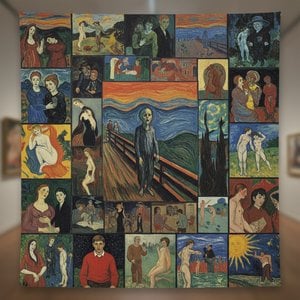
اكتشف 25 تحفة فنية لإدوارد مونك، رائد التعبيرية. استكشف قصص لوحاته المؤثرة وتقنياته الفريدة وألوانه العميقة. احصل على نسخ عالية الجودة لديكور منزلي فاخر على WahooArt.com

Explore the rich history & artistic power of black and white photography. From early techniques to iconic masters like Ansel Adams, discover why monochrome continues to captivate art lovers today. Expert insights for collectors.


ابقَ على اطلاع بأحدث أخبار الفن، والعروض الحصرية، وأفكار الديكور.
أخبرنا عن مشروعك، وسيقدم لك خبراؤنا الفنيون 3 اقتراحات فنية مخصصة لك.
دعنا نختار لك ٣ خيارات مخصصة تماماً - مجاناً!
 مشاركة


 عرض المزيد







 خيار الزجاج متاح فقط للمقاسات التي تقل عن 110 سم


