معاينة الحجم الحقيقي معاينة بالواقع المعزز التحويل إلى المطبوعات الانتقال إلى الصورة الرقمية مشاركة
التفاصيل الدليل أضف إلى المفضلة تحميل الملف قطع مشابهة الأشعة السينية عرض شرائح الإحصائيات

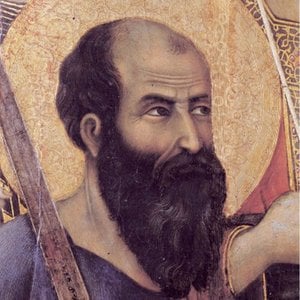
Polyptych No. 28

Experience the luminous Gothic beauty of Duccio di Buoninsegna's Polyptych No. 28, a masterpiece of Sienese tempera on wood that captures divine grace and invites you to bring this medieval spiritual vision into your home.

دوتشيو دي بونينسيغنا، فنان سينييزي رائد في القرن الثالث عشر الميلادي، اشتهر بلوحاته الدينية المؤثرة مثل "مايستا" و"العدرا الروسيلية". يمزج أسلوبه بين التأثيرات البيزنطية والقوطية، مما جعله شخصية محورية في تطور الفن الإيطالي.

نسخة زيتية مصنوعة يدوياً

لوحة زيتية مرسومة يدوياً على الكانفاس بالمقاس والإطار الذي تفضله، تُنفذ حسب الطلب على أيدي فنانينا. ( التحويل إلى المطبوعات الانتقال إلى الصورة الرقمية)

P118B $10
P118H $10
P118W $10
P438Z $10
P508JH $12
P508YH $12
P805H $10
P805Z $10
P919BZ $10
P919G $10
P919XJ $10
P959ZH $10
P968JZ $12
W106C $8
W218G $10
W218JH $8
W218Y $10
W307PJ $10
W316G $10
W316PJ $8
W316Y $10
W398PJ $8
W4111J $10
W500HY $15
W500JH $15
W692G $12
W849H $8
W940BG $15
W953PJ $8

قياسي
حسب الطلب
CM
INCH

اختر من بين أحجامنا المُعدّة مسبقًا والتي تتطابق مع النسب الأصلية للعمل الفني.

العرض
الارتفاع

يمكنك إدخال أبعادك الخاصة لتناسب إطارًا معينًا أو مساحة محددة. وإذا لم يتطابق الحجم الذي اخترته مع نسب الصورة الأصلية، فسنقوم إما بقص العمل الفني أو توسيع اللوحة بإضافة عناصر مرسومة يدويًا. سيتم إرسال نموذج رقمي إليك للموافقة عليه قبل بدء الإنتاج.
يرجى ملاحظة أن المعاينة على الشاشة لا تعكس عملية القص أو التوسيع الفعلية؛ حيث إن النموذج الرقمي وحده هو الذي سيوضح التكوين النهائي بدقة.
وعلى الرغم من توفر أحجام مخصصة، إلا أننا نوصي باختيار أبعاد من القائمة المحددة مسبقًا للحفاظ على النسب الأصلية للعمل الفني.

أمثلة على التعديلات الممكنة: استبدال الوجه بصورة العميل؛ إضافة حيوان أليف (مثل استبدال قطة بكلب)؛ تضمين رسالة مخفية في الخلفية؛ تغيير المناظر الطبيعية أو العناصر في الخلفية.
بعد إتمام الطلب، سيرسل فريق WahooArt.com بريداً إلكترونياً للعميل لطلب التعليمات وتزويده بمعاينة تجريبية (mockup).

توصيل عالمي إلى خلال 3 إلى 4 أسابيع بدلاً من المدة المعتادة البالغة 5 أسابيع. (24 سبتمبر). جودة لا تهاون فيها.

why_choose_icon
شحن سريع ومجاني لجميع أنحاء العالم
why_choose_icon
قماش كتان عالي الجودة
why_choose_icon
تأمين شحن شامل
why_choose_icon
ضمان استرداد الرسوم الجمركية
why_choose_icon
ضمان مطابقة الألوان الحقيقية
why_choose_icon
سياسة الإرجاع خلال 100 يوم (في حالات العيوب فقط)
why_choose_icon
ضمان استرداد نقدي بنسبة 100%
why_choose_icon
خصم عند طلب عدة قطع

إجمالي السعر

$ 272

reproduction

Polyptych No. 28

خامة إعادة الإنتاج

مقاس النسخة المطبوعة

-

السعر الإجمالي النهائي

$ 272

معلومات سريعة

  • Year: 1300
  • Artistic style: Early Gothic
  • Dimensions: 128 x 234 cm
  • Subject or theme: Religious iconography
  • Title: Polyptych No. 28
  • Movement: Gothic
  • Influences: Byzantine art

اختبار الفنون

يوجد إجابة صحيحة واحدة فقط لكل سؤال.

سؤال 1:
What artistic movement is Duccio di Buoninsegna considered a pivotal figure in?
سؤال 2:
The Polyptych No. 28 depicts religious figures primarily associated with which faith?
سؤال 3:
What medium was used to create Polyptych No. 28?
سؤال 4:
Where is Polyptych No. 28 currently housed?
سؤال 5:
Duccio's style marked a significant departure from Byzantine art by emphasizing:

A Window into Medieval Faith: The Luminous Vision of Duccio

To stand before Duccio di Buoninsegna's Polyptych No. 28 is to step through a portal into the spiritual heart of the early fourteenth century. Housed within the prestigious Pinacoteca Nazionale in Siena, this monumental altarpiece is far more than a mere collection of religious panels; it is a profound meditation on the intersection of the divine and the human. Painted around 1300, the work captures a pivotal moment in art history when the rigid, golden stillness of the Byzantine tradition began to breathe with a newfound, tender humanity. Through his masterful use of tempera on wood, Duccio invites the viewer into a sacred space where every brushstroke serves to illuminate the theological depths of the Christian narrative.

The composition of this polyptych is a masterclass in narrative and spiritual hierarchy. At its very core, the artwork presents a moving depiction of Jesus Christ cradling Saint John the Baptist—a motif rich with symbolic weight, representing divine protection and the prophetic destiny of the infant saint. As the eye wanders across the five panels, one encounters a celestial assembly: figures of profound humility and contemplation flank the central mystery, while other panels depict saints and devotees in states of deep prayer. This arrangement does not merely display holy figures; it orchestrates a liturgical experience, guiding the observer from the intimate warmth of the Christ Child to the solemn, collective devotion of the faithful.

Technique and the Alchemy of Light

Duccio’s technical prowess is most evident in his ability to manipulate light to evoke the ethereal. Utilizing the meticulous technique of tempera on wood, he layered pigments to create a characteristic luminosity that seems to emanate from within the panels themselves. This method allowed for a subtle gradation of color, essential for his groundbreaking move toward naturalism. Unlike the flat, symbolic icons of the preceding era, Duccio’s figures possess a soft, sculptural presence. The delicate interplay of light and shadow on the drapery and skin tones lends a sense of weight and reality to the holy subjects, making the divine feel tangibly present within our earthly realm.

For the discerning collector or interior designer, the aesthetic appeal of this piece lies in its ability to command presence through both grandeur and grace. The shimmering gold leaf, often used in such Sienese masterpieces, provides a regal backdrop that catches the light, making it an extraordinary focal point for any space dedicated to contemplation or sophisticated classical decor. The artwork embodies a transition from the stylized to the soulful, offering a visual richness that remains as captivating today as it was in the vibrant, incense-filled atmosphere of medieval Siena.

A Legacy of Emotional Resonance

Beyond its technical brilliance, Polyptych No. 28 resonates because of its profound emotional intelligence. Duccio was a pioneer of the Sienese School, an artist who dared to infuse sacred iconography with human emotion. In the gentle tilt of a head or the solemn gaze of a kneeling saint, we see the dawn of a more intimate connection between the viewer and the divine. This shift toward humanism—the idea that the holy can be understood through human feeling—is what gives this polyptych its enduring power.

Owning or displaying a high-quality reproduction of such a masterpiece allows one to bring this historical bridge into a modern setting. It serves as a reminder of a time when art was the primary language of the soul, offering an atmosphere of peace, reverence, and timeless beauty. Whether viewed as a historical document of the Gothic era or as a stunning example of Italian mastery, Duccio’s work continues to inspire awe, making it a cornerstone for any collection celebrating the evolution of Western art.


السيرة الذاتية للفنان

دوقيو دي بونينسينا: رائد الفن القوطي الإيطالي ورمزية الإيمان

في قلب مدينة سيينا النابضة بالحياة، في أواخر القرن الثالث عشر وأوائل القرن الرابع عشر، بزغ نجم فنان استطاع أن يمزج بين التقاليد البيزنطية العريقة والتطلعات الجديدة نحو الواقعية والعاطفة في الفن. إنه دوقيو دي بونينسينا (حوالي 1255 – حوالي 1319)، الذي يُعتبر أحد أعظم فناني العصور الوسطى الإيطالية، ومؤسس مدرسة سيينا الفنية المرموقة. لم يكن دوقيو مجرد رسام، بل كان مبتكرًا أضاف بعدًا إنسانيًا عميقًا إلى السرديات الدينية، محولاً بذلك الأعمال المقدسة إلى تجارب بصرية مؤثرة تتجاوز مجرد التمثيل.

من التقاليد البيزنطية إلى الإبداع السيني

نشأ دوقيو في بيئة فنية غنية بالتأثيرات البيزنطية، حيث كانت الأيقونات الذهبية والزخارف الفاخرة هي السائدة. إلا أنه لم يكتفِ بالتقيد بهذه التقاليد، بل سعى إلى تطويرها وإضفاء لمسة شخصية عليها. يمكننا أن نرى هذا التحول بوضوح في أعماله المبكرة، حيث بدأ يلمس عناصر جديدة من الواقعية والتعبير العاطفي، مع الحفاظ على الجمال والوقار المميزين للفن البيزنطي. رحلاته المحتملة إلى باريس وروما والقسطنطينية ساهمت بلا شك في توسيع آفاقه الفنية وتعزيز فهمه للتقنيات والأساليب المختلفة، مما أتاح له صياغة أسلوبه الفريد الذي يميزه عن غيره.

تحفة "Maestà": قصة بصرية عن الإيمان

تعتبر تحفة دوقيو الخالدة، "Maestà" (السيادة)، التي رسمها لكاتدرائية سيينا، ذروة إبداعه الفني. هذه اللوحة الضخمة ليست مجرد عمل فني، بل هي رحلة بصرية عبر حياة العذراء مريم ومخلص المسيح، تتكشف أمامنا في سلسلة من المشاهد المتقنة والمليئة بالتفاصيل. تتميز "Maestà" بتوازنها الهندسي الرائع واستخدامها الماهر للألوان الزاهية، مما يخلق جوًا من الرهبة والإجلال. الابتكار الأبرز في هذه اللوحة هو قدرة دوقيو على دمج العديد من المشاهد في لوحة واحدة، مما يسمح للمشاهد بتتبع القصة بشكل متسلسل ومؤثر. تعتبر "Maestà" مثالًا رائعًا على قدرة دوقيو على الجمع بين التقاليد البيزنطية والأساليب الجديدة، مما أرسى أسس الفن السيني.

إرث فني خالد: تأثير دوقيو على الأجيال القادمة

لم يقتصر تأثير دوقيو دي بونينسينا على عصره فحسب، بل امتد ليشمل الأجيال اللاحقة من الفنانين. لقد ألهم العديد من رسامي مدرسة سيينا الفنية، مثل سيموني مارتيني وليبو ميمي وبيترو وأمبروجيو لورنتيتي، الذين تبنوا أسلوبه وواصلوا تطويره. يُعتبر دوقيو بمثابة حلقة الوصل بين الفن البيزنطي والفن القوطي الإيطالي، وقد ساهم بشكل كبير في تطور الواقعية والتعبير العاطفي في الفن الغربي. لا تزال أعماله اليوم مصدر إلهام للفنانين والباحثين على حد سواء، وتشهد على عبقرية هذا الفنان الذي استطاع أن يخلد اسمه في سجلات التاريخ.

أعمال بارزة أخرى

  • الرقعة العذراء (Rucellai Madonna)
  • لوحة متعددة الألواح رقم 28 (Polyptych No. 28)
دوتشيو

دوتشيو

1255 - 1319 , إيطاليا

حقائق سريعة

  • Artistic Movement Or Style: التيينتيو الفني
  • Artists Who Influenced This Artist: ['الفنان اليوناني البيزنطي']
  • Date Of Birth: عقدة ١٢٥٥م
  • Date Of Death: ١٣١٩م
  • Full Name: Duccio di Buoninsegna
  • Nationality: إيطالي
  • Notable Artworks: ['مايستا']
  • Place Of Birth: سيني، إيطاليا
استكشف الأعمال الفنية المصنفة حسب الموضوعات والأنماط والخصائص.