A Moment of Profound Sorrow: Duccio’s “Christ Mocked”
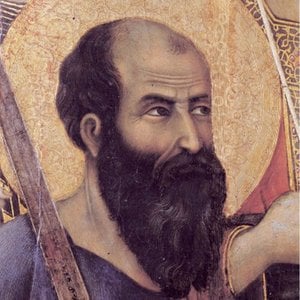
Duccio di Buoninsegna's "Christ Mocked," painted in 1308, is not merely a depiction of a biblical scene; it’s an intensely felt expression of human suffering and the brutal reality of faith. Housed within the hallowed halls of the Museo dell’Opera del Duomo in Siena, Italy, this tempera on panel offers a rare glimpse into the evolving artistic landscape of early Italian painting – a period where the rigid formality of Byzantine art began to yield to a burgeoning desire for naturalism and emotional depth. The work transcends its historical context, resonating powerfully with viewers even today as a testament to resilience in the face of unimaginable adversity.
The Scene Unfolds: Composition and Narrative
The painting captures a pivotal moment – Christ’s public humiliation following his arrest. The composition is deliberately chaotic, mirroring the turmoil of the event itself. A crowd, numbering at least thirteen individuals—soldiers, onlookers, and figures caught in the act of mockery—surrounds the central figure of Jesus. This arrangement isn't accidental; it serves to amplify the sense of injustice and vulnerability. The backdrop, a suggestion of a building – perhaps a Roman structure or even a makeshift stage – anchors the scene within a specific location, grounding the narrative while simultaneously hinting at the public nature of Christ’s suffering. Duccio masterfully uses spatial relationships to draw our eye directly to Jesus, emphasizing his isolation and despair amidst the surrounding throng.
A Fusion of Styles: Byzantine Influence Meets Italian Naturalism
“Christ Mocked” is a fascinating synthesis of artistic influences. Duccio’s training undoubtedly included exposure to the grandeur and symbolism of Byzantine art, evidenced by the use of gold leaf – a hallmark of that style – which highlights Christ's divinity and elevates the scene to a sacred realm. However, Duccio doesn’t simply replicate Byzantine conventions; he subtly incorporates elements of Italian naturalism. The faces of the onlookers are rendered with remarkable detail, capturing individual expressions of cruelty, indifference, and even fleeting moments of doubt. The dynamic movement within the crowd is skillfully conveyed through gestural poses and overlapping forms, creating a sense of immediacy and drawing us into the unfolding drama. This delicate balance between formal structure and humanistic representation is characteristic of Duccio’s evolving style.
Symbolism and Emotional Resonance
Beyond its visual elements, “Christ Mocked” is rich in symbolic meaning. The act of mockery itself represents the ultimate rejection of Christ's teachings and the betrayal by those closest to him. The soldiers, often depicted with a mixture of arrogance and brutality, embody earthly power and injustice. Jesus’s posture – slumped, head bowed – speaks volumes about his suffering, yet there is also an undeniable dignity in his bearing. The painting isn’t simply illustrating a historical event; it's exploring the profound themes of faith, betrayal, sacrifice, and ultimately, hope. The emotional impact is palpable—a raw depiction of anguish that invites contemplation on humanity’s capacity for both cruelty and compassion.
WahooArt offers meticulously crafted hand-painted reproductions of “Christ Mocked,” allowing you to bring this powerful masterpiece into your home or office. Each reproduction captures the nuances of Duccio's technique and the painting's emotional depth, ensuring that this iconic work of art continues to inspire and move viewers for generations to come.



 معاينة الحجم الحقيقي
 اشترِ لوحة مرسومة يدويًا
 مشاركة
 مشاركة
 التفاصيل

 تحميل الملف
 قطع مشابهة
 الأشعة السينية
 عرض شرائح
 الإحصائيات


 عرض المزيد






































 خيار الزجاج متاح فقط للمقاسات التي تقل عن 110 سم