معاينة الحجم الحقيقي معاينة بالواقع المعزز اشترِ لوحة مرسومة يدويًا الانتقال إلى الصورة الرقمية مشاركة
التفاصيل الدليل أضف إلى المفضلة تحميل الملف قطع مشابهة الأشعة السينية عرض شرائح الإحصائيات

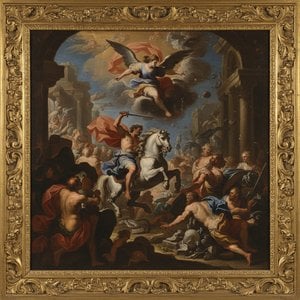
The Immaculate Conception

Diego Velázquez's 'The Immaculate Conception' (1619) is a Baroque masterpiece showcasing the Virgin Mary and baby Jesus amidst celestial beauty, demonstrating his masterful chiaroscuro technique and artistic vision.

دييغو فيلاسكيز: رسام إسباني باروكي عبقري! استكشف أسلوبه الواقعي المذهل، صورته للمحكمة الملكية، وأعماله الشهيرة مثل 'فتيات الشرف'. اكتشف إرث فنان عبقري.

طباعة جيلي / مطبوعات فنية

طباعة جيكلي أو كانفاس بجودة المتاحف، مع سرعة في التنفيذ وخيارات متنوعة للتشطيب. ( اشترِ لوحة مرسومة يدويًا الانتقال إلى الصورة الرقمية)

P118B $10
P118H $10
P118W $10
P438Z $10
P508JH $12
P508YH $12
P805H $10
P805Z $10
P919BZ $10
P919G $10
P919XJ $10
P959ZH $10
P968JZ $12
W106C $8
W218G $10
W218JH $8
W218Y $10
W307PJ $10
W316G $10
W316PJ $8
W316Y $10
W398PJ $8
W4111J $10
W500HY $15
W500JH $15
W692G $12
W849H $8
W940BG $15
W953PJ $8

قياسي
حسب الطلب
CM
INCH

اختر من بين أحجامنا المُعدّة مسبقًا والتي تتطابق مع النسب الأصلية للعمل الفني.

العرض
الارتفاع

يمكنك إدخال أبعادك الخاصة لتناسب إطاراً أو مساحة معينة. وإذا لم يتطابق الحجم الذي اخترته مع نسب الصورة الأصلية، فسنقوم إما بقص العمل الفني أو تمديد الصورة باستخدام حافة معكوسة أو بلون مصمت. سيتم إرسال نموذج تجريبي رقمي لاعتمادك قبل بدء الإنتاج.
يرجى ملاحظة أن المعاينة على الشاشة لا تعكس عملية القص أو التمديد الفعلية؛ حيث سيوضح النموذج التجريبي فقط التكوين النهائي بدقة.
وعلى الرغم من توفر أحجام مخصصة، إلا أننا نوصي باختيار أبعاد من القائمة المحددة مسبقاً للحفاظ على النسب الأصلية.

توصيل عالمي إلى خلال أسبوعين بدلاً من المدة القياسية البالغة 4/5 أسابيع. 22 سبتمبر

why_choose_icon
شحن سريع ومجاني لجميع أنحاء العالم
why_choose_icon
قماش كتان عالي الجودة
why_choose_icon
تأمين شحن شامل
why_choose_icon
ضمان استرداد الرسوم الجمركية
why_choose_icon
ضمان مطابقة الألوان الحقيقية
why_choose_icon
سياسة الإرجاع خلال 100 يوم (في حالات العيوب فقط)
why_choose_icon
ضمان استرداد نقدي بنسبة 100%
why_choose_icon
خصم عند طلب عدة قطع

إجمالي السعر

$ 68

reproduction

The Immaculate Conception

طباعة جيلي / مطبوعات فنية

مقاس النسخة المطبوعة

-

السعر الإجمالي النهائي

$ 68

معلومات سريعة

  • Medium: Oil on canvas
  • Notable elements: Birds, stars, clouds
  • Movement: Baroque
  • Artist: Diego Velázquez
  • Location: National Gallery, London
  • Year: 1619
  • Influences:
    • Bartolomé Murillo
    • Francisco Zurbarán

اختبار الفنون

يوجد إجابة صحيحة واحدة فقط لكل سؤال.

سؤال 1:
What is the primary subject depicted in Diego Velázquez’s ‘The Immaculate Conception’?
سؤال 2:
Which artistic style is most closely associated with Diego Velázquez’s ‘The Immaculate Conception’?
سؤال 3:
What technique does Velázquez primarily employ to create a sense of depth and drama in the painting?
سؤال 4:
The presence of two birds in ‘The Immaculate Conception’ likely symbolizes:
سؤال 5:
Where is the original ‘The Immaculate Conception’ by Velázquez currently housed?

The Immaculate Conception: A Baroque Vision of Divine Purity

Diego Velázquez’s “The Immaculate Conception,” painted in 1619, isn't merely a depiction of the Virgin Mary; it’s a profound meditation on grace, faith, and the very essence of divine purity. This masterpiece, housed within the hallowed halls of the National Gallery in London, stands as a testament to Velázquez’s unparalleled skill in capturing both the ethereal beauty of religious iconography and the tangible reality of human form. More than just a painting, it's an invitation into a realm where light, shadow, and symbolism converge to create an experience that transcends mere visual representation.

The scene unfolds within a softly rendered, cloud-filled sky – a deliberate choice that immediately establishes an atmosphere of serenity and otherworldliness. The Virgin Mary, positioned slightly off-center to the left, is not depicted as a youthful, idealized figure but rather as a woman of mature grace, her expression one of quiet contemplation. Her hands are gently clasped in prayer, directing our gaze towards the infant Jesus nestled securely within her arms. This intimate tableau speaks volumes about the profound love and devotion at the heart of the Immaculate Conception – the belief that Mary was conceived without original sin, a concept central to Catholic theology.

Velázquez’s mastery of *chiaroscuro* is immediately apparent. The painting is bathed in a luminous glow emanating from the heavens, illuminating the Virgin and Child with an almost divine radiance. This stark contrast between light and shadow not only adds depth and volume to the figures but also serves to heighten their spiritual significance. The darker background, punctuated by scattered stars – symbols of hope and guidance – creates a sense of vastness and emphasizes the central figures’ position as beacons of grace within this celestial realm. Notably, two small birds are subtly integrated into the composition: one near the top right corner and another closer to the bottom left. These seemingly minor details contribute to the painting's dynamic quality, suggesting movement and life amidst the stillness of the scene.

Baroque Grandeur and Velázquez’s Signature Style

Classified as a quintessential example of Baroque art, “The Immaculate Conception” embodies many of the stylistic hallmarks of the period. The dramatic lighting, intense emotions, and elaborate ornamentation are all characteristic features of this artistic movement, which flourished in Europe during the 17th century. Velázquez’s approach, however, transcends mere imitation; he infuses the Baroque style with his own unique sensibility – a remarkable blend of realism, psychological insight, and technical virtuosity.

Velázquez's meticulous attention to detail is evident throughout the painting. The folds of Mary’s robes are rendered with astonishing precision, capturing their texture and movement as if they were sculpted from light itself. Similarly, the delicate features of the infant Jesus – his tiny hands, perfectly formed fingers – reveal Velázquez’s extraordinary ability to depict human anatomy with both accuracy and sensitivity. The artist's use of *sfumato*, a technique involving subtle gradations of tone to create soft, hazy effects, further enhances the painting’s ethereal quality.

Furthermore, the composition itself is carefully orchestrated to draw the viewer’s eye towards the central figures. The diagonal lines created by the Virgin's robes and the infant Jesus’s position guide our gaze across the canvas, while the subtle placement of the birds adds a sense of dynamism and visual interest. This masterful control over form and space demonstrates Velázquez’s profound understanding of artistic principles.

Echoes in Art History: Murillo, Zurbarán, and the Immaculate Conception Theme

The theme of the Immaculate Conception was profoundly popular among artists during the Baroque period, reflecting a growing emphasis on Marian devotion within Catholic society. Several other notable artists explored this subject with distinctive approaches, offering valuable insights into the evolving interpretation of the concept.

  • Bartolome Esteban Murillo’s Immaculate Conception of Soul presents a more imaginative and playful depiction, featuring the Virgin Mary surrounded by angels and cherubs – a vibrant celebration of divine grace.
  • Francisco Zurbarán’s Inmaculada Concepción showcases his unique interpretation of the theme through a masterful use of light and shadow, creating a sense of solemn reverence and spiritual intensity.
  • Diego Velázquez’s approach, as seen in “The Immaculate Conception,” leans towards a more restrained and contemplative style, emphasizing the inner spirituality of the subject rather than overt displays of emotion or ornamentation.

These diverse interpretations highlight the multifaceted nature of the Immaculate Conception – a concept that continues to resonate with artists and viewers alike centuries later.

A Timeless Masterpiece: Reproduction and Artistic Legacy

The original “The Immaculate Conception” remains housed in the National Gallery (London, United Kingdom), a testament to its enduring artistic value. However, for those seeking to experience this masterpiece firsthand or to bring its beauty into their own homes, WahooArt offers meticulously crafted hand-painted oil reproduction of Velázquez’s iconic work. Each reproduction is created by skilled artisans using the same techniques and materials as the original, ensuring an unparalleled level of detail and authenticity.

Whether you are an art enthusiast, a collector seeking to enrich your collection, or simply someone who appreciates exquisite beauty, Diego Velázquez's “The Immaculate Conception” remains a timeless masterpiece. Explore our selection of high-quality reproductions today and bring this extraordinary work of art into your life.


السيرة الذاتية للفنان

دييغو فيلاسكيز: رسام الإمبراطورية والنور

في قلب إسبانيا الذهبية، حيث ازدهرت القوة الإمبراطورية والثقافة، بزغ نجم دييغو رودريغيز دي سيلفا ي فيلاسكيز، فنانٌ ليس فقط من عظماء إسبانيا، بل من رواد الفن الغربي على مر العصور. وُلد في مدينة إشبيلية عام 1599، وشق طريقه من بدايات متواضعة إلى أن يصبح أكثر من مجرد رسام؛ أصبح مؤرخًا بصريًا للإمبراطورية، يجسد حكامها ونبلاءها وحياة الناس اليومية بدقة نفسية لم يسبقه إليها أحد. تلقى فيلاسكيز تدريبه الأول على يد فرانسيسكو دي هيريرا إيل فيخو وفرانسيسكو باتشيكو، اللذين غرسا فيه أسسًا متينة في التقنية والتناسب والتعلم الكلاسيكي. لكن موهبته الفطرية – حساسيته الاستثنائية للضوء واللون والشخصية الإنسانية – هي التي ميزته حقًا. حتى أعماله الأولى، مثل *المرأة العجوز تقلي البيض*، أظهرت النهج الثوري الذي سيتخذه في تصوير الحياة اليومية، حيث يضفي على المشاهد العادية هيبة وعفوية لم يسبق لها مثيل.

صعود نجمه إلى بلاط الملك فيليب الرابع

في عام 1623، اتخذ فيلاسكيز قرارًا مصيريًا بالانتقال إلى مدريد، سعيًا وراء الرعاية في قلب السلطة الإسبانية. هذا التحول أثبت أنه نقطة تحول حاسمة في حياته المهنية. سرعان ما اكتسب اعترافًا كبيرًا، وعُيّن رسامًا رسميًا للملك فيليب الرابع عام 1628، وهو منصب احتفظ به حتى وفاته. لم يكن هذا المنصب مجرد وسيلة لكسب العيش؛ بل منح فيلاسكيز وصولاً غير مسبوق إلى أفراد العائلة المالكة والنبلاء، مما سمح له بأن يصبح مؤرخهم من خلال الرسم. على عكس العديد من فناني البلاط الذين مثّلوا مواضيعهم بشكل مثالي، سعى فيلاسكيز إلى الواقعية الصادقة. لقد صور الملك فيليب الرابع ليس كرمزًا بعيدًا للسلطة، بل كرجل – ذكي وحزين ومثقل بالمسؤوليات. هذا الالتزام بالحقيقة، جنبًا إلى جنب مع تقنيته الماهرة، أكسبه ثقة الملك وحرية فنية متزايدة. أظهرت صور البلاط المبكرة تطورًا في الأسلوب، بعيدًا عن الرسمانية الصارمة للصور الإسبانية السابقة نحو نهج أكثر طبيعية وإدراكًا نفسيًا.

ذروة الابتكار الفني: *لاس مينيناس* وخارجها

بلغت براعة فيلاسكيز الفنية ذروتها في خمسينيات القرن السابع عشر، وبلغت ذروتها في إنشاء تحفته الفنية *لاس مينيناس* (1656). هذه اللوحة ليست مجرد صورة شخصية؛ إنها تأمل معقد في فن الرسم نفسه. تصور الأميرة مارغريتا تيريزا محاطة بخادماتها من الخدم وأقزام وأعضاء آخرين من البلاط، بينما يقف فيلاسكيز نفسه أمام قماش كبير، وكأنه تم القبض عليه وهو في خضم الرسم. إن تضمين الملك والملكة المنعكسين في مرآة في الجزء الخلفي من الغرفة يضيف طبقة أخرى من التشويق، ويمزج بين الخطوط الفاصلة بين المراقب والمراقب، والواقع والتصوير. *لاس مينيناس* هي تحفة فنية من المنظور والتكوين والرؤية النفسية، تتحدى المشاهدين لطرح أسئلة حول دورهم في فعل النظر. إنها لوحة عن الرؤية، وعن أن تكون مرئيًا، وعن طبيعة الخلق الفني نفسها. تشمل الأعمال الهامة الأخرى من هذه الفترة *استسلام بريدا*، وهو تصوير قوي لانتصار إسباني مع إنسانية ملحوظة، وصور شخصية مثل *دونا ماريانا من النمسا، ملكة إسبانيا*، والتي تعرض قدرته على التقاط كل من الكرامة الملكية والضعف الداخلي. استمرت تقنيته في التطور، وتتميز بضربات فرشاة فضفاضة، وتدرجات دقيقة في النغمة، وحساسية استثنائية للضوء والغلاف الجوي – وهي علامة مميزة ستؤثر بعمق على أجيال من الفنانين.

الإرث والتأثير الدائم

توفي دييغو فيلاسكيز في مدريد عام 1660، تاركًا وراءه أعمالًا فنية سيكون لها تأثير عميق على مسار الفن الغربي. لقد كسر تركيزه على الواقعية واستخدامه المبتكر للضوء والظل وعمقه النفسي آفاقًا جديدة في الرسم. لم يكن يصور المظاهر فحسب؛ بل كان يلتقط جوهر التجربة الإنسانية. في القرن التاسع عشر، نظر فنانو الواقعية الفرنسيون مثل غوستاف كوربيه إلى فيلاسكيز كنموذج لالتزامهم بتصوير الحياة دون مثالية. أشار إدوارد مانيه، المتأثر بعمق بـ *لاس مينيناس*، مباشرةً إلى تكوين فيلاسكيز في أعماله الخاصة، مما يدل على قوة رؤية الفنان الإسباني الدائمة. في القرن العشرين، انخرط فنانون مثل بابلو بيكاسو وفرانسيس بيكون مع لوحات فيلاسكيز من خلال إعادة التفسير والتحيات، مع الاعتراف بأهميته المستمرة للفن الحديث. على سبيل المثال، أنشأ بيكاسو سلسلة من الاختلافات حول *لاس مينيناس*، واستكشف هيكلها التركيبي وتعقيداتها النفسية. اليوم، توجد تحف فيلاسكيز في المتاحف حول العالم، وخاصة في متحف برادو في مدريد، حيث يمكن للزوار أن يشهدوا بشكل مباشر عظمة هذا الفنان الاستثنائي. يظل إرثه يلهم الرهبة والإعجاب، مما يعزز مكانته كواحد من أعظم الرسامين الذين عاشوا على الإطلاق – سيد النور والظل والروح الإنسانية.

أعمال رئيسية ومجموعات

  • *لاس مينيناس* (1656): متحف برادو، مدريد - يُعتبر عملاًه الأشهر، وهو صورة شخصية معقدة للعائلة المالكة.
  • *استسلام بريدا* (1634-1635): متحف برادو، مدريد – تصوير قوي لانتصار إسباني مع إنسانية ملحوظة.
  • *فينوس في مرآتها* (حوالي 1647–1651): متحف برادو، مدريد - يوضح مهارته في الموازنة بين الواقعية والجمال.
  • *دونا ماريانا من النمسا، ملكة إسبانيا* (1649): متحف برادو، مدريد – صورة شخصية رائعة تعرض الأناقة الملكية.
  • *صورة البابا إنوسنت العاشر* (1650): معرض دوريا بامفيلي، روما - تصوير صارخ وغير تقليدي للبابا.
  • *صورة ذاتية* (1643): متحف الفنون الجميلة، بالنسيا – يكشف عن فنان مهيب ومتأمل.
تتميز أعماله بوجود بارز في: متحف برادو (مدريد)، ومتحف الفنون الجميلة (بالنسيا)، والعديد من المجموعات المرموقة الأخرى حول العالم.
دييغو فيلاسكيز

دييغو فيلاسكيز

1599 - 1660 , إسبانيا

حقائق سريعة

  • أعمال فنية بارزة:
    • لاس مينيناس
    • الاستسلام في بريدا
    • فينوس أمام المرآة
    • البابا إنيوس العاشر
  • الاسم الكامل: دييغو رودريغيز دي سيلفا ي فيلاسكيز
  • الجنسية: إسباني
  • الحركة الفنية: باروكية، واقعية
  • الفنانون المؤثرون: ['تيتيان']
  • الفنانون المتأثرون:
    • مانيه
    • بيكاسو
    • كوربيه
  • تاريخ الميلاد: 6 يونيو 1599
  • مكان الميلاد: إشبيلية، إسبانيا
استكشف الأعمال الفنية المصنفة حسب الموضوعات والأنماط والخصائص.