A Vision of Gothic Grandeur
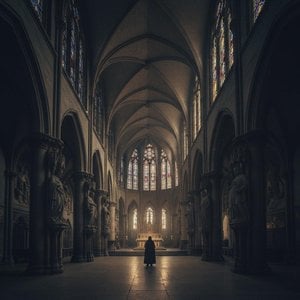
In his 1826 masterpiece, Rouen Cathedral, David Roberts invites the viewer into a breathtaking window of the nineteenth century, where the monumental weight of history meets the delicate atmosphere of a bygone era. This exquisite oil painting captures the imposing majesty of the French Gothic cathedral, not merely as a static monument of stone, but as the beating heart of a living, breathing medieval cityscape. The composition is masterfully balanced, positioning the intricate, soaring spires of the cathedral as the central protagonist, framed by the rhythmic geometry of surrounding urban architecture. As one gazes upon the canvas, there is an immediate sense of being transported to a time when the shadows of great cathed unlike any other, casting a protective and awe-inspiring presence over the bustling town square below.
The artist’s technique reveals a profound command over the traditional oil medium, utilizing sophisticated layering and blending to breathe life into every surface. Roberts employs a delicate touch to render the complex textures of the cathedral's stonework, where light and shadow dance across carved ornaments and flying buttresses. The use of lines is both structural and poetic, guiding the eye upward toward the heavens through the sharp, vertical reaches of the Gothic arches. Through a masterful application of atmospheric perspective, the buildings in the distance seem to recede into a soft, hazy glow, creating an immense sense of depth and spatial reality. This technique does more than just depict distance; it creates a palpable sense of air and light, enveloping the entire scene in a romanticized, dreamlike mist.
The Intersection of Faith and Daily Life
Beyond its architectural brilliance, Rouen Cathedral serves as a profound study of the relationship between the eternal and the ephemeral. The symbolism embedded within the work is deeply resonant; the cathedral stands as an unshakeable symbol of divine authority, faith, and the enduring legacy of human craftsmanship. Yet, at its feet, the presence of figures engaged in the rhythms of everyday life provides a poignant contrast. These small, lively details suggest the pulse of a community existing within the shadow of greatness, reminding us that history is composed of both monumental achievements and the quiet, repetitive motions of daily existence. It is this intersection of the sacred and the secular that lends the painting its enduring emotional depth.
For the discerning collector or interior designer, this reproduction offers much more than a mere decorative element; it provides a focal point of historical narrative and emotional resonance. The soft, diffused lighting and the nostalgic, romanticist style evoke a sense of tranquility and reverence, making it an ideal centerpiece for spaces designed to inspire contemplation and sophistication. Whether placed in a grand library or a contemporary living space, Roberts’ work brings with it an aura of timelessness, inviting anyone who views it to pause and reflect on the magnificent layers of history and the enduring beauty of the human spirit.



 معاينة الحجم الحقيقي
 التحويل إلى المطبوعات
 مشاركة
 مشاركة
 التفاصيل
 الدليل

 تحميل الملف
 قطع مشابهة
 الأشعة السينية
 عرض شرائح
 الإحصائيات


 عرض المزيد






































 خيار الزجاج متاح فقط للمقاسات التي تقل عن 110 سم