


إن العمل الفني المعروض في هذه الصفحة محمي بموجب قوانين حقوق الطبع والنشر، مما يعني أنه لا يحق لنا قانوناً إنشاء أو بيع نسخ مطابقة له. وتُطبق هذه الحماية بموجب الاتفاقيات الدولية مثل الـ اتفاقية برن ووفقاً للقوانين الوطنية، بما في ذلك تلك المنصوص عليها في قانون حقوق الطبع والنشر في الولايات المتحدة - الباب 17.
تتوافق هذه الطريقة تماماً مع لوائح حقوق النشر لأنها لا تتضمن نسخ أو تكرار العمل الفني المحمي، بل هي إعادة تفسير إبداعية؛ أي أنها لوحة جديدة مستوحاة من الأصل ولكنها ليست مطابقة له.
طباعة جيكلي أو كانفاس بجودة المتاحف، مع سرعة في التنفيذ وخيارات متنوعة للتشطيب. ( شراء لوحة مرسومة يدويًا الانتقال إلى الصورة الرقمية)





























اختر من بين أحجامنا المُعدّة مسبقاً والتي تتوافق مع النسب الأصلية للعمل الفني.

أدخل العرض والارتفاع المطلوبين ليتناسب المقاس مع إطارك أو جدارك. يرجى الملاحظة أن المطبوعة يمكن قصها فقط ولا يمكن تكبيرها لتتجاوز أبعاد الصورة الأصلية، لذا فإن اختيار مقاس بأبعاد مختلفة سيؤدي إلى فقدان جزء من الصورة. سنرسل لك نموذجاً رقمياً تجريبياً لاعتماده قبل البدء في عملية الطباعة. الصورة المعروضة في هذه الصفحة لا توضح شكل القص الفعلي — النموذج التجريبي فقط هو ما يظهر ذلك بدقة.
توصيل عالمي إلى خلال أسبوعين بدلاً من المدة القياسية البالغة 4/5 أسابيع. (14 نوفمبر)
Diana
مقاس النسخة المطبوعة
David Bomberg’s Diana, painted in 1943, immediately draws the viewer into a moment of profound introspection. The central figure, clad in a striking red jacket, commands attention against a warm, almost incandescent orange background. Her posture—hand delicately placed near her face, suggesting contemplation or perhaps a momentary veil over deep thought—lends an air of enigmatic grace to the composition. Bomberg, a key member of the vibrant 'Whitechapel Boys,' captures not just a likeness, but a palpable state of being. The interplay between the vivid red garment and the surrounding autumnal glow creates an immediate visual tension, anchoring the viewer's gaze to the woman’s downward, thoughtful expression.
To appreciate Diana is to understand the trajectory of early 20th-century British modernism. While Bomberg’s training exposed him to the structured lessons of Cézanne and the dynamism of avant-garde movements, this piece retains a raw, emotional immediacy characteristic of his later work. His technique here suggests a masterful handling of paint, where form is suggested through bold planes of color rather than minute detail. The presence of other figures—one subtly placed in the upper left and another near the bottom right—suggests that the central subject exists within a larger social or psychological tableau. These secondary elements do not distract; rather, they frame the primary emotion, giving the scene depth beyond a simple portrait.
The title, Diana, evokes classical associations with the huntress and the goddess of the moon—figures often linked to mystery, independence, and feminine power. Yet, Bomberg grounds this mythological echo in a very human moment. The red jacket can be interpreted as passion or vitality against the backdrop of the fading orange light, perhaps symbolizing memory or the passage of time itself. The woman’s gesture is universally understood: it speaks of secrets held close, of beauty observed from within. For the collector or designer, this painting offers more than mere decoration; it offers a conversation piece—a meditation on introspection that resonates deeply in contemporary life.
Reproducing the power of Diana allows one to integrate a piece steeped in artistic history and emotional weight into any interior space. The rich palette, dominated by the fiery contrast of red and orange, makes it an exceptional focal point for rooms seeking depth and character. Whether displayed above a console table or as a centerpiece in a gallery wall, this reproduction captures Bomberg’s unique ability to infuse everyday subjects with monumental feeling. It is a piece that demands a pause, inviting quiet contemplation amidst the bustle of modern living.
تندرج لوحة "Diana" ضمن حركة Modernism، وتتسم بنبرة Reflective.
تتوفر ميزة المعاينة بالواقع المعزز لـ "Diana": حيث تعرض صفحة معاينة بتقنية الواقع المعزز العمل الفني في مساحتك الخاصة عبر جهاز متوافق.
العمل الأصلي "Diana" للفنان ديفيد بومبرج هو عمل من نوع Oil On Canvas وبمقاس 41 x 36 cm. تصف التقنية والحجم القطعة الأصلية.

وُلد بومبرج لأبوين مهاجرين بولنديين يهود، أبراهام وريبيكا بومبرج، وبدأ مسيرته الدراسية في مدرسة "سيتي آند غيلدز" للفنون التقنية قبل أن يتخصص في فن الطباعة الحجرية في برمنغهام.
تلقى دروسه على يد والتر سيكرت في مدرسة وستمنستر للفنون (1908-1910)، حيث تأثر بتركيز سيكرت على الشكل والحياة الحضرية. كما شهدت مرحلته انفتاحاً كبيراً على أعمال بول سيزان من خلال معرض روجر فراي عام 1910 بعنوان "مانيه وما بعد الانطباعيين". والتحق بمدرسة سليد للفنون (1911)، حيث نال جائزة "تونكس" عن لوحته التي رسم فيها زميله إسحاق روزنبرغ.
لقد تركت تجاربه كجندي بسيط خلال الحرب العالمية الأولى أثراً عميقاً في رؤيته الفنية، مما دفعه للابتعاد عن التجريد.
شهدت عشرينيات القرن الماضي تبني بومبرج لأسلوب أكثر تشخيصية، حيث ركز على الصور الشخصية والمناظر الطبيعية المستوحاة مباشرة من الطبيعة. وطور تقنية تعبيرية متزايدة، تميزت باستخدام طبقات الطلاء الكثيفة (impasto) والزخم العاطفي.
كما أثرت رحلاته الواسعة عبر الشرق الأوسط (خاصة فلسطين) وأوروبا بشكل كبير على أعماله المتأخرة، وتعد تصويراته للقدس من أبرز إنجازاته الفنية.

1890 - 1957 , المملكة المتحدة

Decode the profound symbolism of hands in masterworks from Van Gogh to Hindu mudras. Explore the silent language of art with our expert guide.

Discover the profound beauty of Contemporary Impressionism. Explore how masters capture light and emotion through textured brushwork and vibrant color, perfect for discerning collectors seeking timeless elegance and museum-quality artistry for luxury interiors.
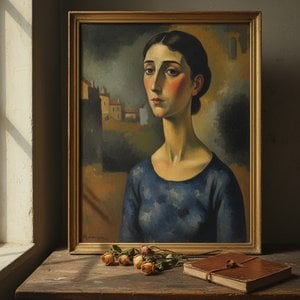
Delve into the haunting beauty of Amedeo Modigliani's portraits. Explore the intersection of Expressionism and Modernism through an expert analysis of his iconic elongated forms, melancholic gazes, and profound influence on art history.

Explore the profound symbolism of red hair through iconic masterpieces. Discover the fiery allure of art history with our expert guide.
 معاينة الحجم الواقعي
 مشاركة
 مشاركة
 التفاصيل
 دليل
دليل

 تحميل الملف
 قطع مشابهة
 الأشعة السينية
 عرض شرائح
 الأسئلة والأجوبة
 الإحصائيات


 عرض المزيد









 خيار الزجاج متاح فقط للمقاسات التي تقل عن 110 سم


