
استشارة فنية مجانية

x
شراء نسخة مطبوعة شراء نسخة مطبوعةاطلب نسخة مرسومة يدوياً اطلب نسخة مرسومة يدوياً مشاركةمشاركة
التفاصيلالتفاصيل أضف إلى المفضلة أضف إلى المفضلة تحميل الملفتحميل الملف قطع مشابهةقطع مشابهة الأشعة السينيةالأشعة السينية عرض شرائحعرض شرائح

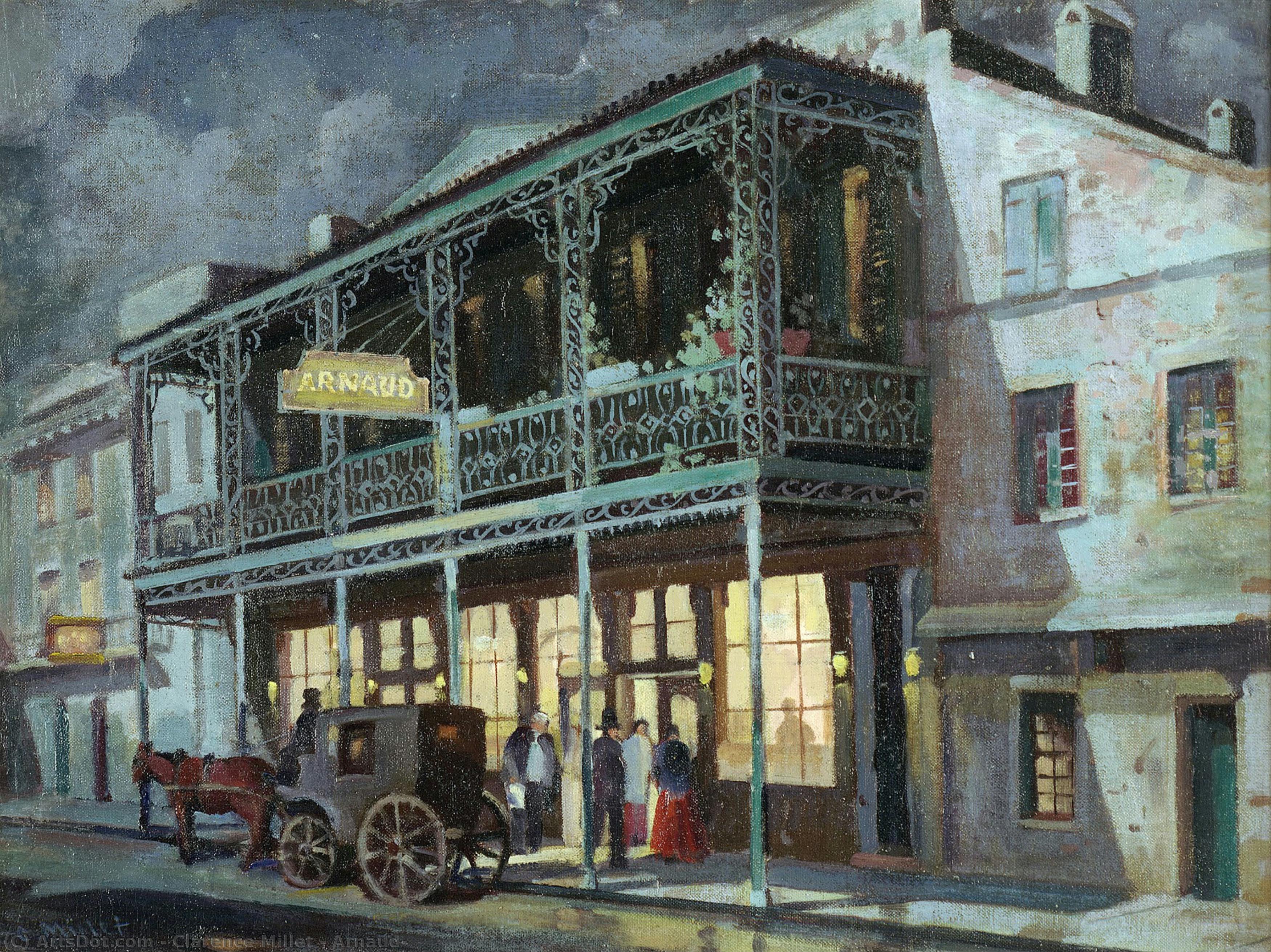
Arnaud

Explore the evocative regional scenes & marine paintings of Clarence Millet (1897-present). A prolific American artist known for realism & inspired by New Orleans.

احصل على صورة رقمية عالية الدقة ومعزّنة، بجودة تفوق بكثير المعاينة عبر الإنترنت.

يتم إعداد كل ملف بعناية فائقة من قبل متخصصينا الداخليين باستخدام أدوات متقدمة ولمسات يدوية خبيرة. نضمن أن تتمتع كل صورة بوضوح استثنائي، ودقة لونية متناهية، وتفاصيل دقيقة.

يتم تسليم الملف النهائي عبر البريد الإلكتروني في غضون 72 ساعة، وهو مُحسَّن للاستخدام الفوري في المجالات المهنية والتحريرية ومجالات الطباعة. هذه هي ذات الجودة التي تعتمد عليها كبرى استوديوهات التصميم ودور النشر والمعارض الفنية المرموقة.

صورة رقمية

حمّل ملفاً عالي الدقة للعرض الشخصي، والطباعة، والمشاريع الإبداعية.

إجمالي السعر

$9.99

مزايا مُضمّنة في كل طلب صورة رقمية

تسليم رقمي احترافي، مضمون

عندما تختار WahooArt.com، فأنت لا تحصل على مجرد صورة فحسب، بل ستحصل على عمل فني رقمي مُحسّن باحترافية، صُمم بدقة متناهية ومصحوب بضمان الرضا. إليك كل ما يتضمنه طلبك تلقائياً:

shipping_icon
تسليم سريع عبر البريد الإلكتروني

ستصلك ملفات صورك الرقمية عالية الدقة عبر البريد الإلكتروني في غضون 72 ساعة من إتمام الطلب - لتكون جاهزة للاستخدام الفوري.

canvas_icon
ملف رقمي مُحسّن بالذكاء الاصطناعي

يتم تحسين عملك الفني باحترافية باستخدام أدوات الذكاء الاصطناعي المتقدمة والتحرير اليدوي، لضمان أقصى درجات التفاصيل والوضوح ودقة الألوان.

insurance_icon
إعادة إرسال مجانية مدى الحياة

هل حذفت ملفك أو فقدته عن طريق الخطأ؟ لا تقلق - سنعيد إرساله إليك في أي وقت، ومجاناً.

tax_icon
بدون رسوم استيراد - على الإطلاق

استمتع بأعمالك الفنية فوراً دون أي رسوم جمركية أو ضرائب أو مصاريف شحن - فالتحميلات الرقمية دائماً ما تكون معفاة من الضرائب.

color_icon
ضمان دقة الألوان

نحن نضمن أن تعكس صورتك الرقمية الألوان الأصلية بأقصى قدر ممكن من الدقة، وذلك باستخدام أدوات احترافية وتقنيات إدارة الألوان.

return_icon
ضمان الرضا لمدة 60 يومًا

إذا لم تكن راضياً عن صورتك الرقمية، فسنقوم بتعديلها أو استرداد 100% من قيمتها خلال 60 يوماً - دون أي أسئلة.

guarantee_icon
ضمان استعادة الأموال بنسبة % 100

لم تكن راضياً؟ احصل على استرداد كامل المبلغ خلال 60 يومًا من استلام ملفك الرقمي - دون أي أسئلة.

discount_icon
خصومات الطلبات الكبيرة

اشتري 3 صور، ووفر 10% - اشتري 5، ووفر 15% - اشتري +10، ووفر 20%. مثالية للمشاريع الإبداعية، والمعارض، والوكالات.


السيرة الذاتية للفنان

John Berninger: A Late Bloom in the Shadow of Early Modernism

Born in Allentown, Pennsylvania, in 1897, John Berninger’s artistic journey was a remarkably late one, blossoming fully only in his late twenties. This delay, coupled with a deep immersion in the burgeoning art scene of the early 20th century, shaped a distinctive style characterized by meticulous detail and an unsettling exploration of decay and the passage of time – a sensibility that positioned him as a significant, though often overlooked, figure within the broader context of American Modernism. Berninger’s life was marked by a quiet determination to pursue his artistic passions, a dedication fueled by a keen observation of the world around him and a willingness to delve into the darker aspects of human experience. His early years were spent largely outside the established art circles of New York or Chicago, allowing him to develop a unique perspective unburdened by prevailing trends.

Early Influences and Artistic Development

Berninger’s artistic education began in his teens, with an initial foray into oil painting. However, it wasn't until the late 1920s that he truly committed to a professional career. This period coincided with a significant shift in European art – the rise of Neue Sachlichkeit (New Objectivity) in Germany, characterized by its stark realism and unflinching portrayal of social realities. While Berninger’s work never fully aligned with the overtly political aspects of German Neue Sachlichkeit, he clearly absorbed its emphasis on precise observation and the rendering of complex textures and surfaces. He also found inspiration in the works of Ivan Albright, whose meticulously detailed portraits of aging figures resonated with Berninger's own fascination with the effects of time and mortality. His brief training at the Pennsylvania Academy of the Fine Arts and the Art Institute of Chicago provided him with foundational skills, but it was his independent study and relentless practice that truly honed his distinctive style.

The Palette of Decay: Themes and Techniques

Berninger’s paintings are immediately recognizable for their unsettling beauty and their exploration of themes related to decay, corruption, and the fragility of human existence. He rarely depicted grand narratives or heroic figures; instead, he focused on intimate portraits – often of elderly individuals – rendered with an almost obsessive attention to detail. His use of color was particularly striking: a palette dominated by muted browns, grays, and sickly greens, punctuated by jarring bursts of vibrant red and purple, created a sense of unease and impending doom. This deliberate juxtaposition of beauty and decay is central to his artistic vision. Berninger’s technique involved layering thin glazes of paint to build up surfaces with incredible texture and luminosity – a method reminiscent of the Flemish masters but applied to contemporary subjects. He employed techniques like *sfumato* (smoky haziness) to soften edges and create an illusion of depth, further enhancing the sense of realism in his work.

Notable Works and Recognition

Among Berninger’s most celebrated paintings is *Into the World There Came a Soul Called Ida* (1930), a portrait of an aging woman gazing into a mirror. This work, initially met with mixed reactions due to its unflinching depiction of wrinkles and imperfections, ultimately became recognized as a masterpiece of American realism. He also created *That Which I Should Have Done I Did Not Do (The Door)* (1931-1941), a haunting image of a scarred and decrepit door adorned with a funeral wreath – a potent symbol of missed opportunities and the inevitability of death. In 1942, this painting won both the Temple Gold medal at the Pennsylvania Academy of the Fine Arts and the medal for best picture in the “Artists for Victory” exhibition at the Metropolitan Museum of Art. His work was also featured in the film *The Picture of Dorian Gray* (1945), further cementing his place within the cultural landscape of mid-20th century America.

Legacy and Historical Significance

John Berninger’s contribution to American art is often understated, overshadowed by more flamboyant figures of the era. However, his meticulous realism, coupled with his exploration of profound themes, establishes him as a significant voice within the broader context of early Modernism. He stands as a testament to the power of quiet observation and the ability of art to confront uncomfortable truths about human existence. While he never achieved widespread fame during his lifetime, Berninger’s work continues to resonate with viewers today, offering a poignant meditation on time, mortality, and the enduring beauty found within imperfection. His legacy lies not in grand pronouncements or revolutionary styles, but in the quiet intensity of his vision and the unsettling power of his images.
clarence millet

clarence millet

1897 - , United States of America

لمحة سريعة

  • Artistic Movement Or Style: Realism
  • Artists Or Movements Influenced By This Artist: ['']
  • Artists Who Influenced This Artist: ['Ivan Albright']
  • Date Of Birth: 1897
  • Full Name: John Berninger
  • Nationality: American
  • Notable Artworks: ['']
  • Place Of Birth: Allentown, Pennsylvania

