


 WatercolorWallArtRomantic Landscape
 179719th Century
 167.0 x 217.0 cm
 متحف هامبورغ الفني
طباعة جيكلي أو كانفاس بجودة المتاحف، مع سرعة في التنفيذ وخيارات متنوعة للتشطيب. ( اشترِ لوحة مرسومة يدويًا اشترِ الصورة)





























اختر من بين أحجامنا المُعدّة مسبقًا والتي تتطابق مع النسب الأصلية للعمل الفني.

يمكنك إدخال أبعادك الخاصة لتناسب إطاراً أو مساحة معينة. وإذا لم يتطابق الحجم الذي اخترته مع نسب الصورة الأصلية، فسنقوم إما بقص العمل الفني أو تمديد الصورة باستخدام حافة معكوسة أو بلون مصمت. سيتم إرسال نموذج تجريبي رقمي لاعتمادك قبل بدء الإنتاج.
يرجى ملاحظة أن المعاينة على الشاشة لا تعكس عملية القص أو التمديد الفعلية؛ حيث سيوضح النموذج التجريبي فقط التكوين النهائي بدقة.
وعلى الرغم من توفر أحجام مخصصة، إلا أننا نوصي باختيار أبعاد من القائمة المحددة مسبقاً للحفاظ على النسب الأصلية.
توصيل عالمي إلى خلال أسبوعين بدلاً من المدة القياسية البالغة 4/5 أسابيع. 6 سبتمبر


Landscape with Pavilion
مقاس النسخة المطبوعة
In the quietude of Caspar David Friedrich's "Landscape with Pavilion," painted in 1797, we encounter more than a mere depiction of nature; we step into a profound meditation on solitude and the sublime. As one of the most evocative works from the German Romantic era, this piece captures a pivotal moment in art history when the rationalism of the Enlightenment began to yield to the raw, unbridled power of emotion and imagination. The composition invites the viewer to wander through a meticulously crafted tableau where a small, elegant pavilion sits nestled amongst dense, dark coniferous trees, acting as a silent sentinel within the vastness. This architectural element provides a focal point for our gaze, yet it serves primarily to emphasize the overwhelming scale of the surrounding wilderness. Scattered throughout the foreground, sheep graze with a peaceful, pastoral innocence, their presence adding a layer of tranquil life that contrasts beautifully with the deeper, more mysterious shadows of the forest.
The technical mastery displayed in this work is nothing short of breathtaking, making it an exquisite choice for those who appreciate the nuances of classical technique. Friedrich employs a masterful use of atmospheric perspective, creating a sense of infinite depth that draws the eye toward the horizon. His palette is intentionally muted, dominated by earthy browns, deep forest greens, and ethereal blues—colors selected not merely for their representational accuracy, but for their ability to evoke a specific, melancholic mood. Through the delicate application of glazing techniques, layering thin, translucent washes of color over textured surfaces, Friedrich achieves a luminous quality. This allows light to seem as though it is emanating from within the landscape itself, capturing the subtle, shifting nuances of light and shadow that define a truly living environment.
To gaze upon this painting is to engage with the philosophical heart of Romanticism. Friedrich was deeply influenced by the concept of the Sublime—the feeling of awe mixed with a hint of terror when confronted with the grandeur of the natural world. The pavilion, while a man-made structure, does not dominate the landscape; rather, it is absorbed by it, symbolizing humanity's humble place within the divine order of nature. This tension between the civilized and the wild is a central theme that resonates deeply with modern viewers. For the collector or interior designer, this piece offers a profound emotional anchor, providing a sense of stillness and introspection that can transform the atmosphere of any room.
The historical context of the work further enriches its meaning. Created during a period when Friedrich was honing his skills in Copenhagen, the painting reflects the influence of the English landscape garden movement, which sought to create "natural" yet highly emotional vistas. Every element—from the sturdy fence separating the sheep to the distant, misty trees—is a carefully placed symbol of life's transience and the enduring beauty of the earth. Whether displayed in a grand gallery or as a centerpiece in a sophisticated contemporary home, "Landscape with Pavilion" serves as a timeless reminder of our spiritual connection to the world around us, offering an unparalleled sense of peace and contemplative beauty.

1774 - 1840 , ألمانيا

اكتشف 25 تحفة فنية لجيمس أبتون ماكنيل ويستلر، رائد حركة التجميل. نوكتورن، بورتريهات أيقونية وأكثر! قصص ملهمة وتقنيات فنية رائعة لتزيين منزلك بأناقة. استكشف المجموعة الكاملة على WahooArt.com
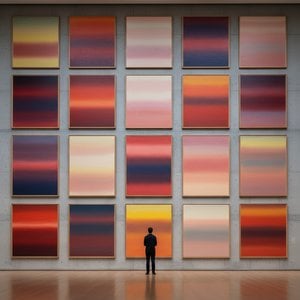
اكتشف 25 تحفة فنية لمارك روثكو، رائد التعبيرية المجردة. استكشف قصص لوحاته الزيتية الملونة وتأثيرها العميق على عالم الفن والديكور. احصل على نسخ عالية الجودة من أعمال روثكو الأصلية و أضف لمسة فنية راقية لمنزلك مع WahooArt.com.
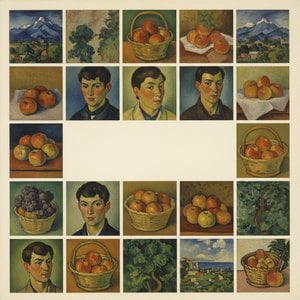
اكتشف 25 تحفة فنية لبول سيزان، رائد الانطباعية وما بعد الانطباعية. استكشف قصص لوحاته الزيتية الشهيرة وألوانه الجريئة وتقنياته الفريدة. احصل على إلهام لديكور منزلك الفاخر مع WahooArt.com.
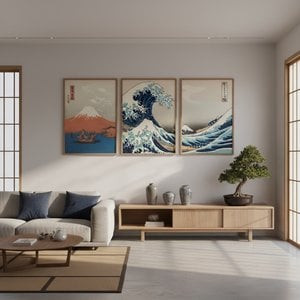
اكتشف 25 تحفة فنية آسرة لكاتسوشيكا هوكوساي، رائد فن الأوكييو-إي الياباني. موجة كاناغاوا وجبل فوجي وأكثر! استلهم ديكور منزلك بألوان مائية يابانية خالدة. تسوق لوحات هوكوساي عالية الجودة على WahooArt.com.
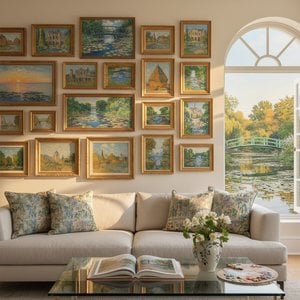
اكتشف 25 تحفة فنية لكلود مونيه، رائد الانطباعية. استكشف قصص لوحاته الخالدة وتقنياته الفريدة وألوانه الساحرة. احصل على نسخ عالية الجودة لديكور منزلك الفاخر على WahooArt.com

 معاينة الحجم الحقيقي
 مشاركة
 مشاركة
 التفاصيل

 تحميل الملف
 قطع مشابهة
 الأشعة السينية
 عرض شرائح
 عرض المزيد







 خيار الزجاج متاح فقط للمقاسات التي تقل عن 110 سم


