


طباعة جيكلي أو كانفاس بجودة المتاحف، مع سرعة في التنفيذ وخيارات متنوعة للتشطيب. ( شراء لوحة مرسومة يدويًا الانتقال إلى الصورة الرقمية)





























اختر من بين أحجامنا المُعدّة مسبقاً والتي تتوافق مع النسب الأصلية للعمل الفني.

أدخل العرض والارتفاع المطلوبين ليتناسب المقاس مع إطارك أو جدارك. يرجى الملاحظة أن المطبوعة يمكن قصها فقط ولا يمكن تكبيرها لتتجاوز أبعاد الصورة الأصلية، لذا فإن اختيار مقاس بأبعاد مختلفة سيؤدي إلى فقدان جزء من الصورة. سنرسل لك نموذجاً رقمياً تجريبياً لاعتماده قبل البدء في عملية الطباعة. الصورة المعروضة في هذه الصفحة لا توضح شكل القص الفعلي — النموذج التجريبي فقط هو ما يظهر ذلك بدقة.
توصيل عالمي إلى خلال أسبوعين بدلاً من المدة القياسية البالغة 4/5 أسابيع. (8 نوفمبر)
Angels Pity
مقاس النسخة المطبوعة
In the quiet, hallowed atmosphere of the Early Renaissance, few works capture the intersection of human sorrow and divine grace as poignantly as Carlo Crivelli’s "Angels Pity." Painted in 1470, this masterpiece serves as a profound meditation on tenderness and spiritual devotion. The scene unfolds with an intimate warmth, presenting Jesus cradling two children within his arms—a gesture that transcends mere historical depiction to become a universal symbol of protection and innocence. Surrounded by a celestial assembly of angels and watchful figures, the composition draws the viewer into a sacred circle of empathy. Even the subtle presence of a solitary bird in the upper corner acts as a silent witness, lending an air of tranquility to a moment heavy with emotional significance.
The artistry of Crivelli is on full display through his masterful command of color and light. Utilizing soft, luminous hues and delicate brushstrokes, the artist creates a sense of palpable intimacy that makes the divine feel reachable. The painting is a triumph of the Early Renaissance style, where every detail is rendered with an almost obsessive realism. Crivelli’s technique involves the meticulous application of oil glazes on wood panel, building layers of color to achieve a radiant depth. This method allows light to appear as if it is emanating from within the figures themselves, highlighting the soft textures of skin and the intricate folds of drapery, thereby inviting the observer to linger on the subtle nuances of the composition.
Beyond its visual splendor, "Angels Pity" is a rich tapestry of Christian iconography designed to provoke deep reflection. The arrangement of the figures within an arched niche creates a sense of sacred enclosure, separating the holy event from the mundane world. Every element serves a symbolic purpose: the tender way Jesus holds the children reflects the theological concept of divine mercy, while the surrounding angels represent the bridge between heaven and earth. Crivelli’s use of trompe l'oeil—a technique intended to trick the eye into perceiving three-dimensional reality—adds a layer of tactile presence to the work, making the spiritual themes feel grounded in a tangible, physical reality.
For the discerning collector or interior designer, this painting offers more than mere decoration; it provides an emotional anchor for any space. The somber yet serene mood makes it an ideal centerpiece for rooms dedicated to contemplation, study, or quiet luxury. Whether one is drawn to its historical significance as a product of the Venetian-influenced March of Ancona or moved by its profound expression of compassion, "Angels Pity" remains a timeless testament to the power of art to evoke the sublime. Owning a high-quality reproduction of this work allows for the preservation of this Renaissance spirit, bringing a sense of historical weight and aesthetic harmony into the modern home.
يمكنك معاينة "Angels Pity" للفنان كارلو كريفيللي على جدارك الخاص عبر صفحة معاينة بتقنية الواقع المعزز الخاصة بالعمل الفني، وذلك باستخدام تقنية الواقع المعزز على جهاز متوافق.
يمكنكم العثور على أعمال مشابهة لـ "Angels Pity" في صفحة أعمال مشابهة الخاصة بالعمل الفني.
تعود لوحة "Angels Pity" للفنان كارلو كريفيللي إلى حقبة Renaissance، وهي الحقبة التي تمنح العمل الفني سياقه التاريخي.

وُلد الرسام الإيطالي من عصر النهضة، كارلو كريفيللي، في مدينة البندقية في الفترة ما بين 1430 و1435 ميلادية. نشأ كريفيللي في كنف عائلة من الرسامين، مما هيأ له بيئة خصبة للإبداع، حيث تلقى تكوينه الفني في مدينتي البندقية وبادوا. ويُعتقد أن بداياته التدريبية الأولى كانت تحت إشراف المعلم جاكوبيلو ديل فيوري، الذي كان لا يزال نشطاً في عام 1436، كما صقل موهبته بالدراسة في مدرسة فيفاريني العريقة في البندقية.
قضى كريفيللي سنوات شبابه في منطقة فينيتو، حيث غمر نفسه في عبق التأثيرات الفنية المستمدة من فنانين كبار مثل فيفاريني، وسكوارشوني، ومانتينيا. ومع حلول عام 1458، اتخذ قراراً بالرحيل عن فينيتو ليستقر معظم مسيرته المهنية في منطقة ماركي أنكونا، وهناك بدأ في تطوير أسلوب شخصي فريد ومتميز، يتناقض بوضوح مع الأسلوب الذي اتبعه معاصره البندقي جيوفاني بيليني. وتتجلى عبقرية أعمال كريفيلي في تلك الحساسية الزخرفية المحافظة التي تنتمي لأواخر العصر القوطي، والتي تتميز بدقة الخطوط، والاهتمام المتناهي بالتفاصيل، واستخدامه المذهل لتقنيات "الخداع البصري" أو ما يعرف بـ (trompe l'oeil) لإضفاء واقعية ساحرة على لوحاته.
تعتبر لوحة كريفيللي الشهيرة "العذراء والطفل على العرش" (بأبعاد 106 × 55 سم، والمحفوظة في متحف الفنون الجميلة ببودابست، المجر) نموذجاً مثالياً يجسد جوهر أسلوبه الفني. ولم يكن كريفيللي يعمل بمعزل عن الآخرين، بل تعاون مع شقيقه الأصغر فيتوريو كريفيللي في عدة مشاريع فنية، كما ضم إلى مدرسته وتلاميذه الفنان بييترو أليمانو، وهو رسام هاجر إلى منطقة ماركي أنكونا من ألمانيا أو النمسا، ليكون تلميذاً وزميلاً له في الإبداع.
تضم بيناكوتا دي بريرا في ميلانو بإيطاليا، مجموعة رائعة من أعمال كريفيلي، بما في ذلك لوحة "البييتا" (128 × 241 سم). كما يحتضن متحف سان جيوفاني إن براغورا في البندقية بإيطاليا، تشكيلة فنية متنوعة من عصور وأساليب مختلفة، تتضمن بعض الأعمال المنسوبة إلى كريفيلي.
إن إرث كريفيلي لا يزال مصدراً لإلهام عشاق الفن والباحثين على حد سواء، حيث تظل أعماله شاهداً حياً على القوة الخالدة للجمال الزخرفي المستمد من أواخر العصر القوطي.

1435 - 1495 , إيطاليا

Discover the enduring legacy of oil on board painting. Explore how historical techniques, rich impasto textures, and structural durability create timeless masterpieces that bridge Renaissance grandeur with modern art collecting excellence.

Discover the profound allure of oil on canvas. Explore the mastery of impasto textures, the science of pigment longevity, and expert guides to selecting museum-quality reproductions that elevate your collection with timeless elegance and tactile depth.

Discover the enduring allure of oil on canvas. Explore how master techniques like impasto and glazing create the depth, texture, and emotional resonance found in the world's greatest masterpieces. An essential guide for fine art enthusiasts and discerning collectors.

Discover the enduring allure of hand-painted oil reproductions. WahooArt offers museum-quality, archival masterpieces designed for discerning collectors seeking timeless beauty and a lasting legacy. Invest in fine art that transcends generations with our expert craftsmanship.
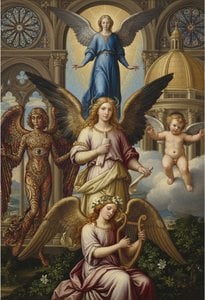
Explore the profound beauty of angelic figures in art history. From Renaissance masterpieces to celestial symbolism, our expert guide offers a sophisticated journey through the divine imagery of the Old Masters for discerning collectors and art enthusiasts.
 معاينة الحجم الواقعي
 مشاركة
 مشاركة
 التفاصيل
 دليل
دليل

 تحميل الملف
 قطع مشابهة
 الأشعة السينية
 عرض شرائح
 الأسئلة والأجوبة
 الإحصائيات

 عرض المزيد









 خيار الزجاج متاح فقط للمقاسات التي تقل عن 110 سم


