معاينة الحجم الواقعي معاينة بالواقع المعزز التبديل إلى المطبوعات التحويل إلى الصورة الرقمية إرسال
عرض التفاصيل دليل الأعمال الفنية للطلاب أضف إلى المفضلة تحميل قطع مشابهة الأشعة السينية عرض شرائح متتابع الإحصائيات

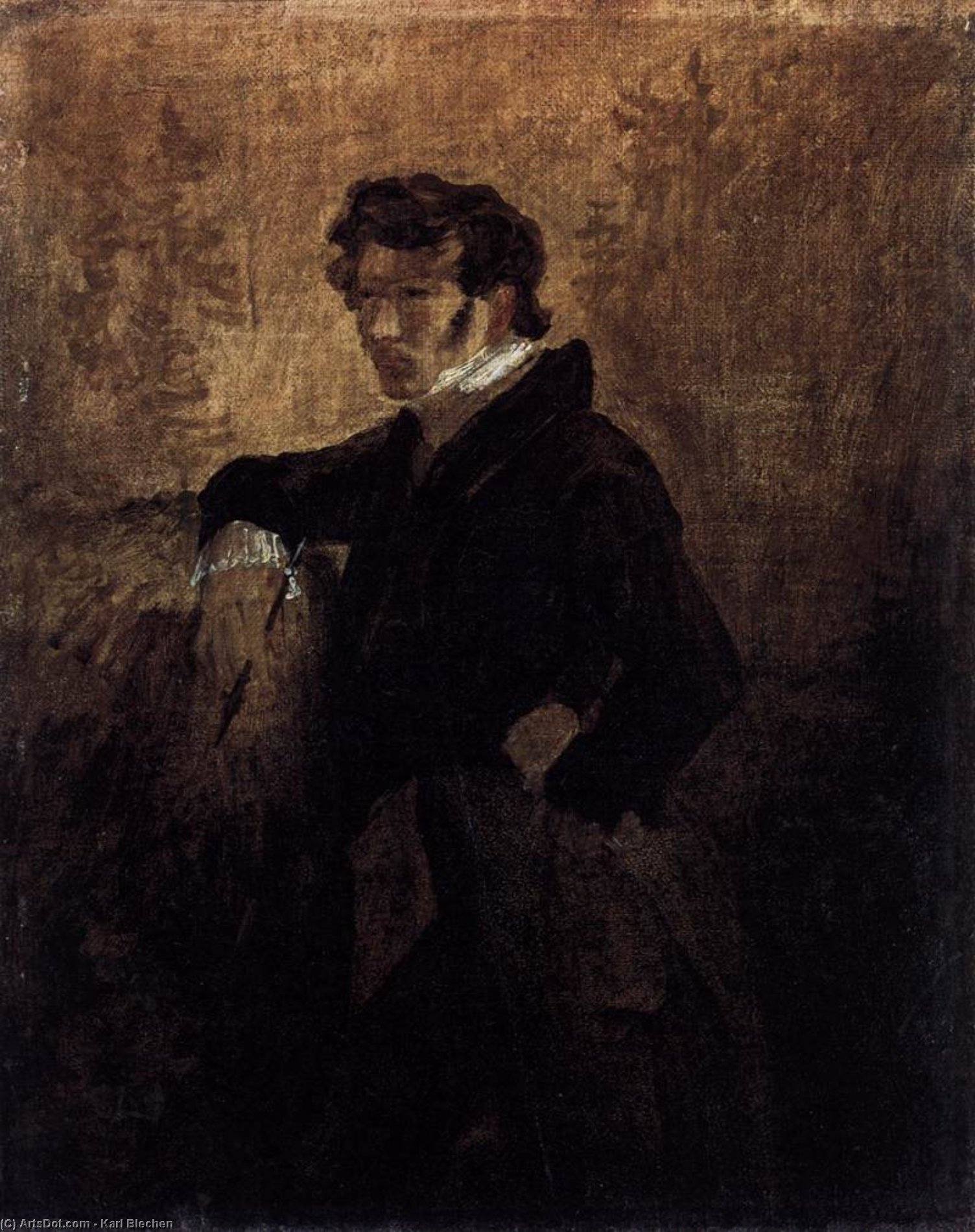
Self-Portrait

Carl Blechen’s ‘Self-Portrait,’ created in 1823 exemplifies Romanticism’s fascination with industrial landscapes. This poignant depiction captures a contemplative gaze amidst formal attire—a testament to Blechen's pioneering exploration of artistic expression within the burgeoning era of industrialization.

كارل بليشن (1798-1840) رسام ألماني رومانسي اشتهر بمناظره الطبيعية المؤثرة وتصويره الرائد للتصنيع المبكر. اكتشف رسوماته الإيطالية وتأثيره الدائم.

نسخة زيتية مصنوعة يدوياً

لوحة زيتية مرسومة يدوياً على الكانفاس بالمقاس والإطار الذي تفضله، تُنفذ حسب الطلب على أيدي فنانينا. ( التبديل إلى المطبوعات التحويل إلى الصورة الرقمية)

Corner sample of the P118B picture frame: moulded polystyrene, 5 cm wide and 3 cm thick
P118B 10
Corner sample of the P118H picture frame: moulded polystyrene, 5 cm wide and 3 cm thick
P118H 10
Corner sample of the P118W picture frame: moulded polystyrene, 5 cm wide and 3 cm thick
P118W 10
Corner sample of the P438Z picture frame: moulded polystyrene, 5.5 cm wide and 3.5 cm thick
P438Z 10
Corner sample of the P508JH picture frame: moulded polystyrene, 7 cm wide and 3.5 cm thick
P508JH 12
Corner sample of the P508YH picture frame: moulded polystyrene, 7 cm wide and 3.5 cm thick
P508YH 12
Corner sample of the P805H picture frame: moulded polystyrene, 5 cm wide and 3.5 cm thick
P805H 10
Corner sample of the P805Z picture frame: moulded polystyrene, 5 cm wide and 3.5 cm thick
P805Z 10
Corner sample of the P919BZ picture frame: moulded polystyrene, 7 cm wide and 3.5 cm thick
P919BZ 10
Corner sample of the P919G picture frame: moulded polystyrene, 7 cm wide and 3.5 cm thick
P919G 10
Corner sample of the P919XJ picture frame: moulded polystyrene, 7 cm wide and 3.5 cm thick
P919XJ 10
Corner sample of the P959ZH picture frame: moulded polystyrene, 5 cm wide and 3 cm thick
P959ZH 10
Corner sample of the P968JZ picture frame: moulded polystyrene, 6 cm wide and 4 cm thick
P968JZ 12
Corner sample of the W106C picture frame: solid wood, 5 cm wide and 3 cm thick
W106C 8
Corner sample of the W218G picture frame: solid wood, 5 cm wide and 3 cm thick
W218G 10
Corner sample of the W218JH picture frame: solid wood, 5 cm wide and 3 cm thick
W218JH 8
Corner sample of the W218Y picture frame: solid wood, 5 cm wide and 3 cm thick
W218Y 10
Corner sample of the W307PJ picture frame: solid wood, 6 cm wide and 3 cm thick
W307PJ 10
Corner sample of the W316G picture frame: solid wood, 6 cm wide and 3 cm thick
W316G 10
Corner sample of the W316PJ picture frame: solid wood, 6 cm wide and 3 cm thick
W316PJ 8
Corner sample of the W316Y picture frame: solid wood, 6 cm wide and 3 cm thick
W316Y 10
Corner sample of the W398PJ picture frame: solid wood, 5 cm wide and 3 cm thick
W398PJ 8
Corner sample of the W4111J picture frame: solid wood, 6.5 cm wide and 3.5 cm thick
W4111J 10
Corner sample of the W500HY picture frame: solid wood, 7 cm wide and 5 cm thick
W500HY 15
Corner sample of the W500JH picture frame: solid wood, 7 cm wide and 5 cm thick
W500JH 15
Corner sample of the W692G picture frame: solid wood, 8 cm wide and 4 cm thick
W692G 12
Corner sample of the W849H picture frame: solid wood, 5 cm wide and 3 cm thick
W849H 8
Corner sample of the W940BG picture frame: solid wood, 7.5 cm wide and 4.5 cm thick
W940BG 15
Corner sample of the W953PJ picture frame: solid wood, 6 cm wide and 3.5 cm thick
W953PJ 8

مقاس قياسي
مخصص
CM
INCH

اختر من بين أحجامنا المُعدّة مسبقاً والتي تتوافق مع النسب الأصلية للعمل الفني.

العرض
الارتفاع

يمكنك إدخال أبعاد خاصة لتناسب إطاراً أو مساحة معينة. وفي حال عدم تطابق الحجم المختار مع نسب الصورة الأصلية، سنقوم إما بقص العمل الفني أو توسيع اللوحة عبر إضافة عناصر مرسومة يدوياً. وسيتم إرسال نموذج رقمي إليك للموافقة عليه قبل بدء عملية الإنتاج.
يرجى ملاحظة أن المعاينة على الشاشة لا تعكس عملية القص أو التوسيع الفعلية؛ إذ إن النموذج الرقمي هو الوحيد الذي يوضح التكوين النهائي بدقة.
وعلى الرغم من توفر أحجام مخصصة، إلا أننا نوصي باختيار أبعاد من القائمة المحددة مسبقاً للحفاظ على النسب الأصلية للعمل الفني.

أمثلة على التعديلات الممكنة: استبدال الوجه بصورة العميل؛ إضافة حيوان أليف (مثل استبدال قطة بكلب)؛ تضمين رسالة مخفية في الخلفية؛ تغيير المناظر الطبيعية أو العناصر في الخلفية.
بعد إتمام الطلب، سيرسل فريق WahooArt.com بريداً إلكترونياً للعميل لطلب التعليمات وتزويده بمعاينة تجريبية (mockup).

توصيل عالمي إلى خلال 3 إلى 4 أسابيع بدلاً من المدة المعتادة البالغة 5 أسابيع. (10 أكتوبر). جودة لا تهاون فيها.

شحن سريع ومجاني لجميع أنحاء العالم
قماش كتان فاخر
تأمين شامل على الشحن
ضمان استرداد الرسوم الجمركية
ضمان دقة مطابقة الألوان
سياسة الإرجاع خلال 100 يوم (في حالات العيوب فقط)
ضمان استرداد نقدي بنسبة 100%
عرض خصم الكميات

إجمالي السعر

E£ 13967

Self-Portrait

وسيط إعادة الإنتاج

مقاس النسخة المطبوعة

-

إجمالي السعر

E£ 13967

حقائق سريعة

  • Dimensions: 26 x 20 cm
  • Medium: Oil on canvas
  • Artistic style: Psychological realism
  • Influences: Romanticism
  • Title: Self-Portrait
  • Artist: Carl Blechen
  • Location: Alte Nationalgalerie, Berlin, Germany

اختبار المعلومات الفنية

لكل سؤال إجابة صحيحة واحدة فقط.

سؤال 1:
What artistic movement is Carl Blechen’s ‘Self-Portrait’ associated with?
سؤال 2:
The painting depicts a man in what attire?
سؤال 3:
What is notable about Blechen's approach to landscape painting compared to many of his contemporaries?
سؤال 4:
In what year was ‘Self-Portrait’ created?
سؤال 5:
Where is ‘Self-Portrait’ currently housed?

A Visionary Encounter with Industry’s Dawn

  • Subject Matter: This striking self-portrait by Carl Blechen captures a contemplative gaze directed downwards, presenting an image of intellectual introspection amidst the burgeoning industrial landscape. The artist's posture exudes seriousness and thoughtfulness—a deliberate contrast to the prevailing Romantic preoccupation with sublime landscapes.
  • Style: Blechen’s work exemplifies the Romantic Industrialization movement, marking a pivotal shift away from traditional artistic conventions. While rooted in Romantic ideals of emotion and imagination, he simultaneously confronts the realities of industrial progress with unflinching honesty. The portrait eschews idealized beauty for a psychologically nuanced depiction.
  • Technique: Executed in black and white lithograph printing, Blechen skillfully employs tonal gradation to convey depth and texture. Lithography, a relatively new technique at the time, allowed for precise reproductions of detail—a testament to Blechen’s artistic vision and his willingness to experiment with innovative methods.
  • Historical Context: Created in 1823, this portrait emerged during a period of intense social and intellectual ferment. The Industrial Revolution was reshaping Europe, prompting artists like Blechen to grapple with questions of modernity, alienation, and the human condition. It reflects a broader artistic dialogue concerning how nature and humanity coexist within an evolving world.
  • Symbolism: Beyond its formal representation, the self-portrait carries symbolic weight. The downward gaze suggests introspection and contemplation—a desire to reconcile Romantic idealism with the tangible pressures of industrial society. Furthermore, the suit symbolizes professionalism and social responsibility, mirroring Blechen’s own aspirations as he navigated his artistic career.

Lithograph Printing: A Revolutionary Medium

The choice of lithograph printing was particularly significant for Blechen's time. Unlike oil paints or watercolor—the dominant mediums of the Romantic era—lithography offered unparalleled precision and tonal control. Developed in France during the preceding decade, it allowed artists to achieve photographic realism without resorting to camera obscura techniques. This method ensured that Blechen’s portrait would retain its intricate detail and expressive atmosphere for generations to come.

Romantic Industrialization: Bridging Imagination and Reality

Blechen's artistic trajectory represents a fascinating intersection between Romantic idealism and the burgeoning realities of industrialization. While acknowledging the sublime beauty of nature—a hallmark of Romantic art—he simultaneously recognized its vulnerability to encroachment by technological advancements. This duality is powerfully conveyed in his self-portrait, prompting viewers to consider the complexities inherent in reconciling aesthetic ideals with societal transformations.

Emotional Resonance: A Portrait of Quiet Contemplation

Ultimately, Blechen’s self-portrait transcends mere visual representation; it communicates a profound emotional resonance. The artist's gaze—directed downwards—suggests a preoccupation with internal reflection and a yearning for understanding amidst the turbulent currents of his era. It invites contemplation on themes of identity, purpose, and the enduring human spirit—a timeless message that continues to captivate audiences today.

الأسئلة والأجوبة

إلى أي مرحلة من مسيرة كارل بليشن الفنية ينتمي العمل "Self-Portrait"؟

ينتمي العمل "Self-Portrait" إلى الفترة Early Romanticism من مسيرة كارل بليشن المهنية، ويربط هذا التصنيف العمل بمراحل تطور الفنان.

في أي عام تم إبداع "Self-Portrait" للفنان كارل بليشن؟

يعود تاريخ إبداع "Self-Portrait" للفنان كارل بليشن إلى عام 1823.

كم كان عمر كارل بليشن عند إبداع "Self-Portrait" في عام 1823؟

عندما أُبدع العمل "Self-Portrait" في عام 1823، كان عمر الفنان كارل بليشن - المولود في 1798 - هو 25 عاماً.

أين تُعرض "Self-Portrait" للفنان كارل بليشن اليوم؟

تُحفظ النسخة الأصلية من "Self-Portrait" للفنان كارل بليشن في Nationalgalerie, برلين, ألمانيا. وتتيح لك النسخة المطبوعة عرض هذا العمل الفني في منزلك.

ما هو الحجم الواقعي لـ "Self-Portrait" للفنان كارل بليشن؟

أبعاد العمل الفني المسجلة لـ "Self-Portrait" للفنان كارل بليشن هي 26 x 20 cm. يمكن طلب نسخ مطابقة بأحجام أخرى مع الحفاظ على نفس النسب.

إلى أي حركة فنية ينتمي العمل "Self-Portrait" للفنان كارل بليشن؟

إن الحركة الفنية المرتبطة بـ "Self-Portrait" للفنان كارل بليشن هي Romantic Industrialization. ويضع هذا التصنيف العمل ضمن مجموعة من الفنانين والأعمال الفنية ذات الصلة.

من الذي أبدع "Self-Portrait"؟

الفنان الذي أبدع عمل "Self-Portrait" هو كارل بليشن. العمل مُدرج تحت اسم كارل بليشن.


نبذة عن الفنان

ريادة الرومانسية الصناعية: حياة وفن كارل بليشن

كارل إدوارد فيرديناند بليشن، المولود في كوتّبوس بألمانيا عام 1798، يحتل مكانة فريدة وغالبًا ما يتم تجاهلها ضمن تقليد الرسم المناظر الطبيعية. تميزت حياته بالبراعة الفنية والاضطرابات الشخصية على حد سواء، وهي ثنائية شكلت بعمق عمله المثير للإعجاب والرائد. في البداية، قُدّر له أن يخوض مهنة عملية في مجال الخدمات المصرفية بسبب القيود المالية للعائلة، لكن ميوله الفنية الفطرية انتصرت في النهاية. التحق بأكاديمية برلين للفنون عام 1822، وانطلق في طريق سيجعله أحد أوائل الفنانين الذين تعاملوا مع التحديات الجمالية – والإمكانيات – التي قدمتها التصنيع المبكر.

نشأ بليشن في سنواته الأولى في ظل الأفكار الرومانسية التي اجتاحت أوروبا. ومع ذلك، على عكس العديد من معاصريه الذين ركزوا فقط على جمال الطبيعة المثالي أو العظمة التاريخية، كان نظره موجهًا نحو عالم متغير. أثبتت رحلة محورية إلى إيطاليا في الفترة 1828-1829 أنها تحولية. انغمس في ضوء وجو الريف الإيطالي، وصقل مهاراته في الرسم في الهواء الطلق، والتقاط اللحظات العابرة والتأثيرات الدرامية بحساسية ملحوظة. لم تكن هذه الرسومات مجرد دراسات تمهيدية؛ بل كانت مشبعة بطاقة نابضة بالحياة ستتميز أسلوبه الناضج. عاد إلى برلين ليس كرسام ماهر تقنيًا فحسب، بل كفنان يتمتع برؤية متميزة – رؤية سعت إلى التوفيق بين الجمال السامي للطبيعة والواقع المتزايد للحداثة.

التنقل بين التقليد والتحول

يتميز إنتاج بليشن الفني بتوتر مقنع بين الحساسية الرومانسية والواقعية الناشئة. لم يتهرب من تصوير المشهد الصناعي المزدهر، لكنه لم يحتفل به بشكل نقدي أيضًا. تجسد أعمال مثل Bau der Teufelsbrücke (بناء جسر الشيطان)، التي رسمت بين عامي 1830 و 1832، هذا النهج. لا تمجد اللوحة الإنجاز الهندسي؛ بل تقدم مشهد عمل شاق في خلفية درامية، مما يشير إلى طموح الإنسان وإمكانية تعطيل النظام الطبيعي. هذه الاستعداد لمواجهة تعقيدات عصره يميزه عن العديد من معاصريه.

غالبًا ما تتخلل مناظره جو حزين، مما يعكس ليس فقط البيئة المادية المتغيرة ولكن أيضًا صراعاته الداخلية الخاصة. على سبيل المثال، يثير Waldweg bei Spandau (طريق الغابة بالقرب من سباندو) إحساسًا بالوحدة والتأمل الذاتي، مع عرض براعة بليشن في الضوء والظل. استخدم بمهارة المنظور الجوي لخلق العمق والمزاج، وسحب المشاهد إلى المشهد ودعوته للتفكير. لم يكن يسجل ببساطة ما رآه؛ بل كان ينقل استجابة عاطفية له.

عبقري مضطرب وإرث دائم

على الرغم من إنجازاته الفنية، قُصِرت حياة بليشن بشكل مأساوي بسبب المرض العقلي. بعد تعيينه أستاذًا للرسم المناظر الطبيعية في أكاديمية برلين عام 1831 – وهو شهادة على سمعته المتزايدة – بدأ وضعه يتدهور بسرعة بعد عام 1835. اضطر إلى أخذ إجازة وفي النهاية دخول المستشفى، واستمر في إنشاء أعمال فنية حتى وسط معاناته، وإنتاج رسومات مؤثرة تقدم لمحة عن عالمه الداخلي المضطرب. توفي في برلين عام 1840 عن عمر يناهز 41 عامًا.

على الرغم من قصر حياته المهنية نسبيًا، إلا أن تأثير كارل بليشن على الأجيال اللاحقة من الفنانين لا يمكن إنكاره. مهدت تصويراته الرائدة للمناظر الطبيعية الصناعية الطريق للرسامين الواقعيين والانطباعيين اللاحقين الذين سعوا إلى التقاط الوجه المتغير للحياة الحديثة. أظهر أنه من الممكن العثور على الجمال – والمعنى – حتى وسط التحول، وهي درس لا يزال يتردد صداه مع الفنانين اليوم. لا يزال عمله تذكيرًا قويًا بالعلاقة المعقدة بين البشر والطبيعة والتقدم.

أعمال رئيسية ومجموعات

  • Im Berliner Tiergarten (حديقة حيوانات برلين)، 1825: مثال مبكر لقدرته على التقاط التأثيرات الجوية والمشاهد اليومية بحساسية رومانسية.
  • Waldweg bei Spandau (طريق الغابة بالقرب من سباندو): منظر طبيعي مسكون يجسد إتقانه للضوء والظل والمزاج.
  • Bau der Teufelsbrücke (بناء جسر الشيطان)، 1830–32: تصوير رائد للتصنيع المبكر، يعرض طموح الإنسان وتأثيره على العالم الطبيعي.

اليوم، يمكن العثور على أعمال بليشن في مجموعات المتاحف البارزة حول العالم، بما في ذلك Kunsthalle Bielefeld في ألمانيا ومتحف Fitzwilliam في كامبريدج والمعرض الوطني في لندن. تحافظ هذه المؤسسات على إرثه للأجيال القادمة، مما يضمن استمرار رؤيته المبتكرة في إلهام وتحدي المشاهدين.

كارل بليشن

كارل بليشن

1798 - 1840 , ألمانيا

لمحة سريعة

  • الأعمال البارزة:
    • في حديقة حيوانات برلين
    • طريق الغابة بالقرب من سباندو
    • بناء جسر الشيطان
  • الاسم الكامل: كارل إدوارد فيرديناند بليشن
  • الجنسية: ألماني
  • الحركة الفنية: الرومانسية
  • الفنانون المؤثرون:
    • كاسبار دافيد فريدريش
    • يوهان كريستيان دال
  • تاريخ الميلاد: 29 يوليو 1798
  • تاريخ الوفاة: 23 يوليو 1840
  • مكان الميلاد: كوتّبوس، ألمانيا