معاينة الحجم الواقعي معاينة بالواقع المعزز اطلب نسخة مرسومة يدويًا التحويل إلى الصورة الرقمية إرسال
عرض التفاصيل دليل الأعمال الفنية للطلاب أضف إلى المفضلة تحميل قطع مشابهة الأشعة السينية عرض شرائح متتابع Q&A الإحصائيات

untitled (8028)

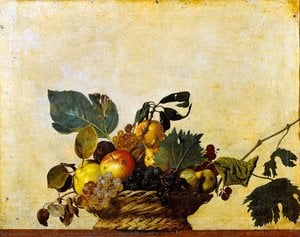
'Untitled (8028)' embodies Caravaggio's Baroque aesthetic, capturing a biblical narrative with profound emotional depth and masterful use of tenebrism. Its detailed depiction of figures and setting underscores Caravaggio’s commitment to realism.

كارافاجيو (1571-1610): رائد الباروك وعبقري الواقعية! اشتهر بتقنيات الظل والضوء الدرامية، ولوحاته الدينية المؤثرة مثل "الناظر" و"عشاء في إيماوس". أحدث ثورة في الفن وألهم فنانين كبارًا.

طباعة جيلي / مطبوعات فنية

طباعة جيكلي أو كانفاس بجودة المتاحف، مع سرعة في التنفيذ وخيارات متنوعة للتشطيب. ( اطلب نسخة مرسومة يدويًا التحويل إلى الصورة الرقمية)

Corner sample of the P118B picture frame: بوليسترين مُشكّل, 5 cm wide and 3 cm thick
P118B E£10
Corner sample of the P118H picture frame: بوليسترين مُشكّل, 5 cm wide and 3 cm thick
P118H E£10
Corner sample of the P118W picture frame: بوليسترين مُشكّل, 5 cm wide and 3 cm thick
P118W E£10
Corner sample of the P438Z picture frame: بوليسترين مُشكّل, 5.5 cm wide and 3.5 cm thick
P438Z E£10
Corner sample of the P508JH picture frame: بوليسترين مُشكّل, 7 cm wide and 3.5 cm thick
P508JH E£12
Corner sample of the P508YH picture frame: بوليسترين مُشكّل, 7 cm wide and 3.5 cm thick
P508YH E£12
Corner sample of the P805H picture frame: بوليسترين مُشكّل, 5 cm wide and 3.5 cm thick
P805H E£10
Corner sample of the P805Z picture frame: بوليسترين مُشكّل, 5 cm wide and 3.5 cm thick
P805Z E£10
Corner sample of the P919BZ picture frame: بوليسترين مُشكّل, 7 cm wide and 3.5 cm thick
P919BZ E£10
Corner sample of the P919G picture frame: بوليسترين مُشكّل, 7 cm wide and 3.5 cm thick
P919G E£10
Corner sample of the P919XJ picture frame: بوليسترين مُشكّل, 7 cm wide and 3.5 cm thick
P919XJ E£10
Corner sample of the P959ZH picture frame: بوليسترين مُشكّل, 5 cm wide and 3 cm thick
P959ZH E£10
Corner sample of the P968JZ picture frame: بوليسترين مُشكّل, 6 cm wide and 4 cm thick
P968JZ E£12
Corner sample of the W106C picture frame: خشب طبيعي صلب, 5 cm wide and 3 cm thick
W106C E£8
Corner sample of the W218G picture frame: خشب طبيعي صلب, 5 cm wide and 3 cm thick
W218G E£10
Corner sample of the W218JH picture frame: خشب طبيعي صلب, 5 cm wide and 3 cm thick
W218JH E£8
Corner sample of the W218Y picture frame: خشب طبيعي صلب, 5 cm wide and 3 cm thick
W218Y E£10
Corner sample of the W307PJ picture frame: خشب طبيعي صلب, 6 cm wide and 3 cm thick
W307PJ E£10
Corner sample of the W316G picture frame: خشب طبيعي صلب, 6 cm wide and 3 cm thick
W316G E£10
Corner sample of the W316PJ picture frame: خشب طبيعي صلب, 6 cm wide and 3 cm thick
W316PJ E£8
Corner sample of the W316Y picture frame: خشب طبيعي صلب, 6 cm wide and 3 cm thick
W316Y E£10
Corner sample of the W398PJ picture frame: خشب طبيعي صلب, 5 cm wide and 3 cm thick
W398PJ E£8
Corner sample of the W4111J picture frame: خشب طبيعي صلب, 6.5 cm wide and 3.5 cm thick
W4111J E£10
Corner sample of the W500HY picture frame: خشب طبيعي صلب, 7 cm wide and 5 cm thick
W500HY E£15
Corner sample of the W500JH picture frame: خشب طبيعي صلب, 7 cm wide and 5 cm thick
W500JH E£15
Corner sample of the W692G picture frame: خشب طبيعي صلب, 8 cm wide and 4 cm thick
W692G E£12
Corner sample of the W849H picture frame: خشب طبيعي صلب, 5 cm wide and 3 cm thick
W849H E£8
Corner sample of the W940BG picture frame: خشب طبيعي صلب, 7.5 cm wide and 4.5 cm thick
W940BG E£15
Corner sample of the W953PJ picture frame: خشب طبيعي صلب, 6 cm wide and 3.5 cm thick
W953PJ E£8

مقاس قياسي
مخصص
CM
INCH

اختر من بين أحجامنا المُعدّة مسبقاً والتي تتوافق مع النسب الأصلية للعمل الفني.

العرض
الارتفاع

أدخل العرض والارتفاع اللذين تحتاجهما، ليتناسب مع إطارك أو جدارك. يمكن قص المطبوعة فقط، ولا يمكن أبداً جعلها أكبر من الصورة الأصلية، لذا فإن أي مقاس بشكل مختلف سيؤدي إلى فقدان جزء من الصورة. سنرسل لك نموذجاً رقمياً تجريبياً لاعتماده قبل البدء في عملية الطباعة. الصورة المعروضة في هذه الصفحة لا توضح القص الفعلي — النموذج التجريبي فقط هو ما يظهر ذلك.

توصيل عالمي إلى خلال أسبوعين بدلاً من المدة القياسية البالغة 4/5 أسابيع. (29 أكتوبر)

شحن سريع ومجاني لجميع أنحاء العالم
قماش كتان فاخر
تأمين شامل على الشحن
ضمان استرداد الرسوم الجمركية
ضمان دقة مطابقة الألوان
سياسة الإرجاع خلال 100 يوم (في حالات العيوب فقط)
ضمان استرداد نقدي بنسبة 100%
عرض خصم الكميات

إجمالي السعر

E£ 3542

untitled (8028)

طباعة جيلي / مطبوعات فنية

مقاس النسخة المطبوعة

-

إجمالي السعر

E£ 3542

حقائق سريعة

  • Notable elements or techniques: Tenebrism, Dramatic realism
  • Movement: Baroque
  • Medium: Oil on canvas
  • Subject or theme: Religious scene

A Vision of Suffering and Divine Grace

Michelangelo Merisi da Caravaggio, a name synonymous with the visceral power of Baroque painting, was born in Milan in 1571, a period defined by both artistic dynamism and profound social anxieties. His formative years were tragically marked by loss; plague swept through his hometown, claiming the lives of his father and grandfather when he was just six years old—experiences that instilled within him an unwavering empathy for human vulnerability and resilience—themes which would become central to his oeuvre. Early training under Simone Peterzano, a former pupil of Titian, provided him with foundational Renaissance skills, yet it was in Rome, arriving around 1592, that Caravaggio truly blossomed, albeit amidst considerable hardship. The city’s vibrant artistic milieu fostered experimentation and challenged established conventions, offering him the space to forge his distinctive style—a style characterized by its uncompromising realism and masterful manipulation of chiaroscuro, or dramatic lighting—that would irrevocably alter the course of art history.
  • Subject Matter: The painting depicts a poignant religious scene centered around a woman cradling her infant son, positioned against a backdrop of shadowy figures engaged in an act of compassion.
  • Style: Caravaggio’s signature tenebrism—the stark contrast between light and dark—dominates the composition, creating an atmosphere of intense drama and psychological depth. This technique elevates the scene beyond mere depiction, immersing the viewer in a realm of heightened emotion.

Technique and Innovation

Caravaggio’s revolutionary approach to painting stemmed from his meticulous observation of human anatomy and his masterful use of pigment—primarily oil paints—applied with impasto, creating textured surfaces that capture the physicality of his subjects. He eschewed idealized representations favored by Renaissance artists, opting instead for unflinching realism, portraying figures with palpable emotion and capturing subtle nuances of expression. This commitment to naturalism was bolstered by Caravaggio’s innovative use of light, which he employed not merely as illumination but as a tool for storytelling—drawing the eye directly to key elements within the composition and conveying profound spiritual significance. The artist's meticulous attention to detail extended beyond mere anatomical accuracy; he painstakingly rendered fabrics, textures, and facial expressions with astonishing precision, achieving an unprecedented level of visual fidelity.
  • Material: Oil paint on canvas
  • Technique: Impasto (thickly applied paint) combined with chiaroscuro lighting

Historical Context and Symbolism

Painted circa 1606-1607, *Untitled (8028)* emerged during Caravaggio’s Roman period—a time of considerable artistic ferment and papal patronage. The painting reflects the Baroque preoccupation with religious fervor and emotional intensity, mirroring the broader cultural landscape of the era. The woman’s posture conveys tenderness and maternal devotion, symbolizing the nurturing role of faith in safeguarding humanity. Simultaneously, the shadowy figures surrounding her represent judgment and divine providence—a reminder that earthly existence is subject to a higher power. The horse, prominently featured in the background, serves as an emblem of strength and nobility, subtly reinforcing the painting’s overarching message of spiritual fortitude. Symbolism: Maternal devotion, Divine Judgment, Spiritual Resilience

Emotional Resonance

Caravaggio's masterpiece transcends mere visual representation; it compels viewers to confront profound questions about compassion, faith, and mortality. The dramatic interplay of light and darkness evokes a visceral response—a feeling of unease mingled with awe—drawing the spectator into the emotional core of the scene. The artist’s ability to convey psychological complexity is remarkable, capturing not only physical appearance but also inner turmoil—a testament to Caravaggio's unparalleled skill in communicating human experience. *Untitled (8028)* remains a powerful reminder that art can illuminate the deepest recesses of the human spirit and inspire contemplation on matters of faith and morality.

الأسئلة والأجوبة

ما هو حجم الطباعة الموصى به لـ "untitled (8028)" للفنان كارافاجيو؟

يُنصح بطباعة "untitled (8028)" بحجم Large. تتوفر أحجام أخرى بنفس النسب.

ما مدى تشبع لوحة ألوان "untitled (8028)"؟

تتميز لوحة "untitled (8028)" للفنان كارافاجيو بدرجة تشبع تبلغ Subtle Color.

من الذي يبيع نسخاً مرسومة يدوياً من "untitled (8028)" للفنان كارافاجيو؟

تتوفر نسخة "untitled (8028)" المرسومة يدوياً عبر نسخة زيتية مرسومة يدوياً على قماش الكتان. ويمكن تقديم الطلب من خلال صفحة نسخة زيتية مرسومة يدوياً، مع إمكانية اختيار أحجام مختلفة.


نبذة عن الفنان

مايكل أنجلو ميريسي دا كافاليجي: فنان الظلال والنور

في قلب عصر النهضة الإيطالية، وفي خضم التحولات الاجتماعية والفنية العميقة، بزغ نجم مايكل أنجلو ميريسي دا كافاليجي، المعروف عالميًا باسم كافاليجي. وُلد في ميلانو عام 1571، وشكلت طفولته المبكرة تحديات جمة بفقدانه والديه وجده بسبب الطاعون المدمر. هذه التجارب المبكرة تركت بصمة واضحة على فنه، حيث انعكست موضوعات المعاناة الإنسانية والمرونة في لوحاته. تلقى كافاليجي تدريبه الأولي في ميلانو تحت إشراف سيموني بيترزانو، تلميذ الفنان العظيم تيتيان، مما أكسبه أساسًا قويًا في تقنيات عصر النهضة. ومع ذلك، سرعان ما تجاوز هذا الأساس التقليدي، ليشق طريقه الخاص الذي أحدث ثورة في عالم الفن.

ثورة في الرؤية: التقنية والأسلوب

عندما وصل كافاليجي إلى روما حوالي عام 1592، شهد المشهد الفني الإيطالي تحولًا جذريًا. لقد رفض الأسلوب المانيرستي السائد، الذي يتميز بالأناقة الاصطناعية والأشكال الممدودة، لصالح واقعية لا هوادة فيها صدمت وأسرت الجماهير في آن واحد. كانت أهم ابتكاراته استخدامًا بارعًا للـ"كياروسكورو"، وهو تباين درامي بين الضوء والظلام، والذي ارتقى به إلى مستوى جديد من القوة التعبيرية. غالبًا ما يُشار إلى هذه التقنية باسم "التينبريزم"، ولم تكن مجرد خيار جمالي فحسب، بل كانت وسيلة لتكثيف التأثير العاطفي، وجذب المشاهدين إلى قلب المشهد، وغرس شخصيات فنه بإحساس ملموس بالحضور. لم يكتفِ كافاليجي بالصور المثالية، بل زين لوحاته بأشخاص عاديين من شوارع روما، ليصبحوا نماذج لشخصيات دينية. كان هذا النهج الجريء يتحدى المفاهيم التقليدية للجمال والقداسة، مما جعل المقدس قابلاً للتواصل والإنسانية بعمق. كانت تركيباته غالبًا ما تكون صارخة ومباشرة، وتركز على لحظات درامية محورية، سواء كانت الواقعية الوحشية في "أخذ المسيح" أو التأمل الهادئ في "سان فرانسيس الأسيزي في النشوة".

الأعمال الرئيسية والتأثير الدائم

على الرغم من مسيرته المهنية القصيرة نسبيًا، أنتج كافاليجي مجموعة أعمال لا تزال تتردد أصداؤها لدى الجماهير حتى اليوم. تُظهر الأعمال المبكرة مثل "عرافة" (1594) موهبته الناشئة في التقاط التفاصيل الواقعية والفروق النفسية الدقيقة. يعتبر "المأدبة الفوقانية" (1601-1602)، المعروضة في المتحف الوطني بلندن، مثالًا على إتقانه للـ"كياروسكورو" وقدرته على نقل العمق العاطفي الشديد داخل سرد ديني. يُعتبر "داود ورأس جليات" (حوالي عام 1610) مؤثرًا بشكل خاص، وغالبًا ما يُفسر على أنه صورة ذاتية تعكس حالة كافاليجي النفسية المضطربة. امتد تأثيره إلى أبعد من إيطاليا، حيث ألهم جيلًا من الفنانين المعروفين باسم "الكارافاجيستي"، أو "الظلاليون"، الذين تبنوا أسلوبه في جميع أنحاء أوروبا. ومن بين أبرز أتباعه بيتر بول روبنز وجوزيبه دي ريبيرا وغريت فان هونثورست، حيث قام كل منهم بتكييف تقنيات كافاليجي برؤيته الفنية الفريدة.

وجود مضطرب وإرث دائم

كانت حياة كافاليجي مضطربة وفوضوية مثل فنه. أدت شخصيته المتقلبة وميوله إلى المشاجرات المتكررة إلى مشاكل مع القانون، بلغت ذروتها في اتهامه بالقتل عام 1606، مما أجبره على الفرار من روما. قضى السنوات الأربع التالية في التجول عبر نابولي ومالطا وصقلية، واستمر في الرسم بينما كان يسعى جاهدًا للحصول على عفو ملكي. على الرغم من جهوده، ظل منبوذًا، يطارده ماضيه ومعارك شخصية. توفي في بورتو إركولي بإيطاليا عام 1610 في ظروف غامضة - لا يزال سبب وفاته موضع نقاش، تتراوح بين الحمى والتسمم. على الرغم من أن حياته قُصّرت، إلا أن الإرث الفني لكافاليجي باقٍ كدليل على رؤيته الثورية وتفانيه الذي لا يتزعزع في الواقعية. لقد تحدى مفاهيم عصره، ومهّد الطريق لمقاربة أكثر حداثة للرسم، وترك بصمة لا تمحى على مسار تاريخ الفن الغربي. تظل أعماله تلهم الرهبة وتحفز التأمل، وتذكرنا بقوة الفن في إضاءة أعمق زوايا التجربة الإنسانية.
كارافاجيو

كارافاجيو

1571 - 1610 , إسبانيا

لمحة سريعة

  • أعمال فنية بارزة:
    • قارئة الحظ
    • العشاء في إيماوس
    • داوود مع رأس جالياث
    • القديس فرنسيس في النشوة
  • الاسم الكامل: مايكل أنجلو ميريسي دا كارافاجيو
  • الجنسية: إيطالي
  • الحركة الفنية أو النمط: باروك, تنبريزم
  • الفنانون أو الحركات المتأثرة به:
    • روبنز
    • خوسيبه دي ريبيرا
    • كارافاجستي
  • الفنانون الذين أثروا فيه:
    • تيتيان
    • ليوناردو دا فينشي
    • مايكل أنجلو
  • تاريخ الميلاد: 28 سبتمبر 1571
  • مكان الميلاد (مدينة وبلد): ميلانو، إسبانيا
استكشف الأعمال الفنية المصنفة حسب الموضوعات والأنماط والخصائص.