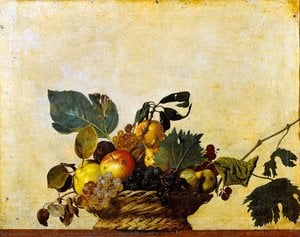
حياة مايكل أنجلو ميريسي دا كارافاجيو
ميلانو، 29 سبتمبر 1571. كانت دوقية ميلانو، الخاضعة للإمبراطورية الإسبانية، هي المسرح الذي شهد ميلاد مايكل أنجلو ميريسي دا كارافاجيو. عُرف هذا الفنان بأسماء عدة: ميكيل أنجيلو ميريسي أو أميريجي دا كارافاجيو. بدأت رحلة وجوده في عالم تتداخل فيه الحدود السياسية وتثقل فيه الأجواء بالاضطرابات، فلم يكن رجلاً من أهل العلم أو التأمل، بل كان رجلاً يحركه العمل والاندفاع.
أصبحت روما هي مركز ثقله الروحي والفني، حيث قضى معظم حياته الإبداعية بين أسوارها، يشق طريقه في مدينة تضج بالتدين الشديد والمنافسة الشرسة. لم تكن شوارع روما مجرد ممرات، بل كانت مصدراً ملهماً لنماذج أعماله، حيث استلهم من العمال والمهمشين والمنبوذين. لم يكن كارافاجيو يسعى وراء الجمال المثالي الذي ميز العصور الغابرة، بل وجد حقيقته في تفاصيل الواقع القاسية. وقد اتسم حضوره في المدينة بصعود فني خاطف، ترافق مع سمعة ملحوظة بالتقلب والاضطراب؛ فكان رجلاً من أبناء الظلال، سواء في تقنياته الفنية المبتكرة أو في سلوكه الشخصي المندفع.
الحياة المبكرة، العائلة والتدريب
ميلانو، عام 1571. كان الهواء مثقلاً برائحة الطاعون الفتاك. في عام 1577، وقف الشاب مايكل أنجلو ميريسي يراقب الموت وهو يختطف والده وجده في يوم واحد. كان والده، فيرمو، يعمل مديراً للمنازل ومهندساً ومزيناً لدى ماركيز كارافاجيو. ومع رحيلهما، خيم الفقر على العائلة، حيث كافحت والدته لتربية خمسة أطفال في تلك السنوات العجاف، محاولةً الحفاظ على كيان الأسرة حتى وافتها المنية في عام 1584.
بحلول عام 1584، انتقل الفتى إلى ورشة عمل سيموني بيترزانو، لتبدأ رحلة التلمذة في ميلانو. قدم له بيترزانو، وهو تلميذ سابق للفنان العظيم تيتيان، الأساس التقني المتين. كانت فترة التدريب صارمة ودقيقة، حيث تعلم فيها أصول تقنيات عصر النهضة، لكن روح ذلك الفتى الميلاني كانت متمردة وقلقة بالفعل. لقد امتص تقاليد منطقة لومبارديا، مفضلاً الملاحظة المباشرة والاهتمام بـ التفاصيل الطبيعية والواقعية على الأشكال المثالية التي ميزت عصر النهضة العالي.
الوصول والبروز في روما
روما، حوالي عام 1588 أو 1592. كانت المدينة آنذاك بوتقة تنصهر فيها المشاعر الدينية المتوقدة والمنافسة الشرسة. يدخل شاب في مقتبل العشرينيات من عمره هذا المشهد المليء بالطموحات العظيمة، لكنه لا يحمل معه شيئاً سوى أحلامه؛ فهو مجرد مهاجر معدم، يفتقر إلى سكن ثابت أو أي وسيلة للاستقرار. كان يتجول في الشوارع دون شبكة أمان من المكانة الاجتماعية المرموقة، غريباً في مدينة لا تقبل بأقل من التأثير الفوري والساحق.
كان الصراع من أجل البقاء صراعاً مباشراً ومريراً، لكنه وجد موطئ قدم له من خلال رعاية الكاردينال فرانشيسكو ماريا ديل مونتي. وفي ظلال قصر ماداما، بدأ الفنان في تجريد الفن من الأناقة الاصطناعية التي ميزت الأسلوب المانيريستي، مستبدلاً الأشكال الممدودة والمثالية بشيء أكثر واقعية وحيوية تلامس الوجدان. إن تلك المرحلة الانتقالية، من مجرد مهاجر يكافح من أجل لقمة العيش إلى موهبة فنية معترف بها، قد وُلدت من رحم التوتر القائم بين عتمة شوارع روما الموحشة ونور الرعاية الفنية الرفيعة.
الرعاة والتكليفات الكبرى
لم تكن روما لتقدم طريقاً سهلاً للقادمين الجدد، لكن ظلال هذه المدينة كانت تخبئ في طياتها حلفاء أقوياء. برز الكاردينال فرانشيسكو ماريا ديل مونتي كشخصية محورية في صعود كارافاجيو؛ فهذا الراعي الكنسي رفيع المستوى وفر للفنان الاستقرار الذي كان يحتاجه ليتجاوز مرحلة الصراع من أجل البقاء. وتحت رعاية دائرة ديل مونتي، وجد الرسام المساحة الكافية لتطوير رؤيته الطبيعية المكثفة. لم تكن هذه الرعاية مجرد دعم مادي فحسب، بل كانت الجسر الذي عبر به من مجرد مهاجر معدم إلى قوة فنية معترف بها في المشهد الفني الروماني.
تتصاعد وتيرة الأحداث مع وصول التكليفات الدينية الضخمة، ففي كنيسة سان لويجي دي فرانشيسي، تحولت كنيسة كونتاريلّي إلى مسرح يتجلى فيه أسلوبه المتطور. هناك، أبدع كارافاجيو أعمالاً تفرض حضورها من خلال إنسانيتها الخام والمجردة. لقد فرض حجم هذه المشاريع مواجهة حتمية بين واقعيته القاسية والمتطلبات الرسمية للكنيسة. ولم يكن كارافاجيو وحيداً في دائرة النفوذ هذه، إذ برز فينتشينزو جوستينتيني أيضاً كراعٍ مهم، مما عزز مكانة الفنان بين نخبة مقتني الفنون في ذلك العصر.
التقنية والأسلوب الثوري
لا يكتفي الضوء في أعماله بمجرد إنارة المشهد، بل يضرب كالصاعقة؛ فمن خلال تقنية تُعرف باسم "التينبريزم" (Tenebrism)، يوظف كارافاجيو تباينات عنيفة بين الضوء والظلام ليفرض سيطرته على انتباه المشاهد. الظلال هنا ليست مجرد غياب للضوء، بل هي حضور مادي وثقيل يبتلع الأطراف، ولا يترك سوى الجوهر الأساسي للمشهد مكشوفاً. إن هذا الاستخدام الدرامي لتقنية "الكياروسكورو" (Chiaroscuro) ينحت الشخصيات من قلب فراغ أسود لا يمكن اختراقه، مما يخلق تأثيراً فورياً يلامس الوجدان.
لقد رفض كارافاجيو الأمان الذي توفره الرسومات التحضيرية، واختار بدلاً من ذلك العمل بأسلوب alla prima، حيث يضع الطلاء مباشرة على القماش ليجسد إحساساً بالآنية واللحظة الراهنة. تعتمد هذه الطريقة على الملاحظة الجسدية الدقيقة واستخدام نماذج حية، فهو لا يسعى لتجميل موضوعاته أو إضفاء المثالية عليها، بل يجلب ناس شوارع روما — من عمال ومنبوذين — إلى رحاب القداسة. وبذلك، يصبح الإلهي إنسانياً بعمق، مطبوعاً بغبار الحياة الواقعية وإرهاقها.
الأعمال الرئيسية والروائع الفنية
تتسلل توترات الشارع وحياة الناس اليومية إلى حيز القداسة من خلال أعمال كارافاجيو الرومانية المبكرة؛ ففي حوالي عام 1594، تأتي لوحة المحتالون لتجسد لحظة من المناورة النفسية، حيث يقطع الضوء المشهد ليكشف عن آليات الخداع الماكرة. ومع حلول عام 1596، ينتقل التركيز نحو لحظة من السكينة في لوحة الراحة أثناء الهروب إلى مصر، حيث يتم تجريد الجانب الإلهي من توهجه الأثيري المعتاد، ليحل محله الحضور المادي الثقيل لعائلة في حالة سفر، حيث صُوّر إرهاقهم بوضوح مذهل يلامس الواقع.
ومع تعمق سيطرته على الظلال، تصبح التكوينات الفنية أكثر حدة وكثافة؛ ففي عام 1600، تستخدم لوحة عازف العود ضوءاً حاداً ومركزاً لنحت ملامس الآلة الموسيقية وتفاصيل الجسد، مما يسحب الموضوع من فراغ حالك لا يمكن اختراقه. وتصل هذه التقنية إلى ذروة المواجهة الدرامية بين عامي 1599 و1600 في لوحة دعوة القديس متى، حيث يضرب شعاع ضوئي واحد نافذ المشهد، شاقاً طريقه عبر الظلام ليردم الفجوة بين العالم الدنيوي لجامع الضرائب والحضور الإلهي المفاجئ والمغير للمجرى.
حياة مضطربة وهروب مستمر
تصل حدة التوتر في روما إلى نقطة الانفجار أخيراً؛ حيث تندلع مشاجرة عنيفة، وفي خضم تلك الفوضى، يقتل كارافاجيو رانوتشيو توماسوني. كانت التبعات فورية وقاطعة، فسرعان ما واجه تهمة القتل، وما تبعها حكم بالإعدام. لم يعد كارافاجيو مجرد رسام مثير للجدل، بل أصبح مطارداً خارجاً عن القانون. والمدينة التي كان يتنقل في أرجائها بفضل مواهبه ورعايته الفنية، تحولت الآن إلى ساحة للمطاردة، مما أجبره على ترك كل شيء وراء ظهره.
كانت رحلة الهروب عبارة عن حركة محمومة عبر حوض البحر الأبيض المتوسط؛ حيث تنقل بين نابولي ومالطا وصقلية، وعيناه لا تفارقان الطريق خلفه خوفاً من الملاحقة. وحتى في منفاه، لم تتوقف ريشته عن الإبداع، بل ازدادت الظلال في أعماله ثقلاً وعمقاً، لتعكس حياة رجل يعيش في حالة فرار دائم. لقد سعى جاهداً للحصول على عفو بابوي، بحثاً عن طريق للعودة إلى قلب عالم الفن، لكن ظلام ماضيه ظل يطارده في كل ميناء وكل إقليم يحل به.
السنوات الأخيرة والرحيل
كان زخم حياته عبارة عن سلسلة من التحركات المحمومة؛ فبعد تلك الأحداث العنيفة في روما، انحرف مساره عبر نابولي، ثم مالطا، وصولاً إلى صقلية. لقد كان رجلاً في حالة حركة مستمرة، يهرع دائماً نحو ملجأ جديد أو مواجهة قادمة. وفي عام 1609، ترك اشتباك في نابولي ندبة على وجهه، لتكون علامة جسدية على وجوده المتقلب والمضطرب. أصبح مطارداً، يتنقل عبر حوض البحر الأبيض المتوسط، باحثاً عن عفو بابوي ظل بعيد المنال. لقد رسم التوتر الصارخ بين نتاجه الإبداعي المتدفق ووضعه القانوني المأزوم ملامح هذه السنوات الأخيرة من عمره.
أما النهاية، فقد حلت في عام 1610، بينما كان في رحلة عودة من نابولي نحو روما، وكأنه يحاول أخيراً إغلاق دائرة منفاه. وصل إلى "بورتو إركولي" في ولاية البريديزي التابعة للإمبراطورية الإسبانية، وهو في الثامنة والثلاثين من عمره. ولا تزال الأسباب الدقيقة لوفاته موضوعاً للجدل؛ إذ تتراوح النظريات بين الحمى والجروح، وصولاً إلى احتمالية التسمم بالرصاص. رحل كارافاجيو في ظلال المدن ذاتها التي هيمن عليها يوماً ما، تاركاً وراءه إرثاً من الأعمال غير المكتملة، وسيرةً ملتحمة بالظلال.
الإرث والتأثير الفني
لم تكن الظلال التي رسمها مجرد تقنية فنية، بل امتدت آثارها لتتجاوز حدود إيطاليا بكثير. إن نهجه في تطويع الضوء والظلام قد غيّر مسار الفن الغربي بشكل جذري، حيث كسر قيود الأسلوب المانيرستي (التكلفي) ومهد الطريق لعصر الباروك الذهبي. لم يكن هذا التحول مجرد انتقال هادئ، بل كان حركة زلزالية أعادت تعريف كيفية تجسيد الواقع على قماش اللوحة. وما زال صدى تأثيره يتردد في أعمال عمالقة الفن، من أمثال بيتر بول روبنز ورامبرانت، الذي يدين بأسلوبه الفريد في معالجة الضوء والظل لتلك الواقعية الثورية التي ابتكرها كارافاجيو.
لقد انبثقت من أعقاب مسيرته حركة من المقلدين والمبتكرين على حد سواء؛ هؤلاء الأتباع الذين عُرفوا باسم "الكارافاجيستي" (Caravaggisti)، حملوا توتره الدرامي عبر القارة الأوروبية. لقد تبنوا طريقته في استخدام الضوء المركز والمكثف لنحت الأشكال من قلب فراغ حالك، مما جعل لغته البصرية معياراً للأجيال القادمة من الرسامين. إن كارافاجيو لم يغير أسلوباً فنياً فحسب، بل غير الطريقة التي تدرك بها العين البشرية الحالة الإنسانية من خلال اللون والضوء.
- دعوة القديس متى
- استشهاد القديس متى
- القديس متى يكتب إنجيله
أين يمكنك مشاهدة أعماله اليوم
تنتشر البقايا المادية لرؤيته الفنية الفريدة عبر أهم المؤسسات الفنية في أوروبا، حيث تروي كل لوحة فصلاً من فصول عبقريته. ففي لندن، تحتضن المعرض الوطني عشرة من أعماله، مما يضع جزءاً كبيراً من إرثه الفني في متناول زوار المدينة. أما في باريس، فيحتفظ متحف اللوفر بمجموعة تضم سبع لوحات، بينما يضم كل من متحف تاريخ الفن في فيينا ومعرض بورغيزي في روما ستة أعمال لكل منهما. وتعمل هذه المواقع كمستودعات رئيسية تجسد استخدامه الدرامي المذهل للضوء والظلال.
أما الباحثون عن موضوعاته الدينية والعلمانية المحددة، فيجدونها في بيئات متنوعة ومبهرة. ففي روما، يقدم معرض بورغيزي نظرة مركزة وعميقة على نتاجه الفني، كما تضم المعرض الوطني للفن القديم قطعاً هامة، بما في ذلك العمل الذي يصور يهوديت وهي تقطع رأس هولوفيرن. وفي مالطا، يحتوي متحف سانت جون على اللوحة الضخمة التي تصور ذبح القديس يوحنا المعمدان. وفي أماكن أخرى، يحافظ كل من متحف المتروبوليتان للفن في نيويورك ومعرض دوريا بامفيلي في روما على حضوره الطاغي ضمن مجموعات المتاحف الدولية الكبرى.


 معاينة الحجم الواقعي
 مشاركة
 مشاركة
 التفاصيل
 دليل
دليل

 تحميل الملف
 قطع مشابهة
 الأشعة السينية
 عرض شرائح
 الأسئلة والأجوبة
 الإحصائيات

 عرض المزيد
 التبديل إلى نسخة مطبوعة





































 خيار الزجاج متاح فقط للمقاسات التي تقل عن 110 سم