

إن العمل الفني المعروض في هذه الصفحة محمي بموجب قوانين حقوق الطبع والنشر، مما يعني أنه لا يحق لنا قانوناً إنشاء أو بيع نسخ مطابقة له. وتُطبق هذه الحماية بموجب الاتفاقيات الدولية مثل الـ اتفاقية برن ووفقاً للقوانين الوطنية، بما في ذلك تلك المنصوص عليها في قانون حقوق الطبع والنشر في الولايات المتحدة - الباب 17.
تتوافق هذه الطريقة تماماً مع لوائح حقوق النشر لأنها لا تتضمن نسخ أو تكرار العمل الفني المحمي، بل هي إعادة تفسير إبداعية؛ أي أنها لوحة جديدة مستوحاة من الأصل ولكنها ليست مطابقة له.
طباعة جيكلي أو كانفاس بجودة المتاحف، مع سرعة في التنفيذ وخيارات متنوعة للتشطيب. ( اطلب نسخة مرسومة يدويًا التحويل إلى الصورة الرقمية)





























اختر من بين أحجامنا المُعدّة مسبقاً والتي تتوافق مع النسب الأصلية للعمل الفني.

أدخل العرض والارتفاع اللذين تحتاجهما، ليتناسب مع إطارك أو جدارك. يمكن قص المطبوعة فقط، ولا يمكن أبداً جعلها أكبر من الصورة الأصلية، لذا فإن أي مقاس بشكل مختلف سيؤدي إلى فقدان جزء من الصورة. سنرسل لك نموذجاً رقمياً تجريبياً لاعتماده قبل البدء في عملية الطباعة. الصورة المعروضة في هذه الصفحة لا توضح القص الفعلي — النموذج التجريبي فقط هو ما يظهر ذلك.
توصيل عالمي إلى خلال أسبوعين بدلاً من المدة القياسية البالغة 4/5 أسابيع. (2 نوفمبر)
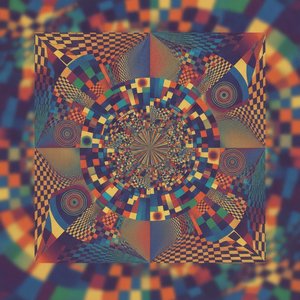
إرست 2
مقاس النسخة المطبوعة
في "إرست 2"، تلتقي تقنية أكريليك على كانفاس مع حركة Optical Abstraction.
يُنصح بطباعة "إرست 2" بحجم كبير. تتوفر أحجام أخرى بنفس النسب.
تتميز لوحة ألوان "إرست 2" بدرجة تشبع باهتة.

Bridget Louise Riley, born in London in 1931 and now residing across Cornwall, France, and London, is an artist whose work has fundamentally reshaped our understanding of perception. More than simply a painter, she’s an architect of illusion, meticulously crafting canvases that challenge the eye and invite prolonged contemplation. Her journey began not with geometric abstraction but with a grounding in traditional landscape painting, influenced by her childhood spent amidst the rugged beauty of Cornwall. However, it was a pivotal encounter with Jackson Pollock's vibrant energy at the Museum of Modern Art in 1958 – specifically, his use of pointillism – that irrevocably altered her artistic trajectory. This initial exposure sparked an intense investigation into the principles of visual perception, leading her to explore the fascinating interplay between color, form, and movement.
Riley’s early work, spanning from 1958 to 1960, reveals a shift towards a more stylized approach, incorporating elements of impressionism and semi-abstraction. Yet, it was her engagement with the burgeoning field of Op Art – a movement characterized by its deliberate manipulation of visual perception – that truly defined her artistic identity. Influenced profoundly by Victor Vasarely’s explorations of optical phenomena and the pioneering work of Georges Seurat, Riley began to experiment with creating dynamic patterns that induced a sense of disorientation and movement within the viewer's eye. This wasn’t merely about replicating an illusion; it was about actively engaging the brain in decoding visual information, pushing the boundaries of how we experience color and space.
The mid-1960s marked a watershed moment for Riley's career. Her groundbreaking series of black and white paintings – works like *Drift No. 2* (1966) and *Nineteen Greys* (1968) – catapulted her to international prominence, establishing her as a leading figure in the Op Art movement. These pieces weren’t simply aesthetically pleasing; they were meticulously engineered to create an unsettling yet captivating effect on the viewer's eye. The seemingly simple arrangements of black and white lines and shapes generated a sense of vibration, depth, and even movement – a phenomenon that challenged conventional notions of static representation. Riley’s approach was deeply rooted in scientific principles, drawing upon research into color theory and visual psychology to achieve her desired effects.
Crucially, Riley's work wasn't isolated within the Op Art movement. She actively engaged with other artists exploring similar themes, including Victor Vasarely and Yaacov Agam, participating in the landmark “The Responsive Eye” exhibition at MoMA in 1965. This event served as a crucial platform for showcasing the burgeoning field of Op Art and solidifying Riley’s position within its ranks. The exhibition highlighted the shared interest among these artists – Vasarely, Riley, Agam, and others – in manipulating perception and creating immersive visual experiences.
Following her initial success with black and white paintings, Riley began to incorporate color into her work in 1967. This transition marked a significant evolution in her artistic practice, allowing her to explore the complex relationships between hue, saturation, and value. Her stripe paintings of this period – such as *Gala* (1974) and *Entice 2* (1974) – demonstrated a masterful control over color gradients and patterns, creating mesmerizing visual effects that captivated viewers. Riley’s exploration didn't stop at stripes; she ventured into the realm of curves in the late 1970s, producing works like *Wave* (1978), which evoked a sense of undulating movement and fluidity.
Throughout the 1980s and 1990s, Riley continued to experiment with new forms and techniques. She incorporated diagonal lines into her compositions, resulting in a series known as rhomboid paintings – works that presented a dynamic interplay between straight and curved elements. Her travels to Egypt and India further influenced her artistic vision, leading to the creation of pieces like *Achæan* (1981), which drew inspiration from the intricate patterns and motifs of Islamic art, and *Nataraja* (1993), reflecting the vibrant colors and symbolism of Indian iconography. Riley’s work became increasingly lyrical and evocative, moving beyond purely optical effects to explore themes of rhythm, harmony, and visual poetry.
Bridget Riley's impact on contemporary art is undeniable. Her pioneering work in Op Art fundamentally altered the way artists approached representation, demonstrating that perception itself could be a subject of artistic inquiry. Her meticulous attention to detail, combined with her deep understanding of visual psychology, resulted in paintings that are both intellectually stimulating and emotionally resonant. Riley’s influence extends far beyond the realm of painting; her ideas have been adopted by designers, architects, and fashion houses, demonstrating the enduring appeal of her innovative approach to visual communication.
Today, Bridget Riley remains a vital and influential figure in the art world. Her retrospective at the Tate Gallery in 2003 and another at the Musée d’Art Moderne de la Ville de Paris in 2008 served as powerful testaments to her enduring legacy. Her work continues to be exhibited worldwide, captivating audiences with its mesmerizing illusions and profound exploration of human perception.

1931 - , United Kingdom

Master the language of abstraction with our expert guide. Explore the profound emotional depth of line, color, and texture, from Op Art to Abstract Expressionism, designed for the discerning art collector seeking to deepen their appreciation of modern masterpieces.

Explore the profound world of optical art and masterpieces that redefine perception. From Vasarely’s geometric illusions to Farndon’s sensory reality, discover how legendary works challenge the eye and transform the viewer's experience through sophisticated abstraction.

Embark on a visual journey through the mesmerizing world of Op Art. Discover the masters of optical illusion, explore geometric abstraction, and learn how to curate high-impact kinetic works for your private collection with expert guidance from art professionals.

Discover the profound beauty of abstract art. Our expert guide explores geometric abstraction, Op Art, and Expressionism, offering connoisseurs deep insights into collecting and curating powerful, non-representational masterpieces for sophisticated interiors.
Explore the mesmerizing world of Victor Vasarely. Discover how his Bauhaus-inspired Op Art masters the science of perception through geometric abstraction and vibrant color. A sophisticated guide for discerning art collectors seeking to understand the legacy of optical illusion.
 معاينة الحجم الواقعي
 إرسال
إرسال مشاركة
 عرض التفاصيل
 دليل الأعمال الفنية للطلاب

 تحميل
تحميل
 قطع مشابهة
 الأشعة السينية
 عرض شرائح متتابع
 Q&A
Q&A الإحصائيات


 اقرأ المزيد









 خيار الزجاج متاح فقط للمقاسات التي تقل عن 110 سم


