استشارة فنية مجانية

x
شراء نسخة مطبوعة شراء نسخة مطبوعةشراء الصورة بدقة عالية شراء الصورة بدقة عالية مشاركةمشاركة
التفاصيلالتفاصيل أضف إلى المفضلة أضف إلى المفضلة تحميل الملفتحميل الملف قطع مشابهةقطع مشابهة الأشعة السينيةالأشعة السينية عرض شرائحعرض شرائح

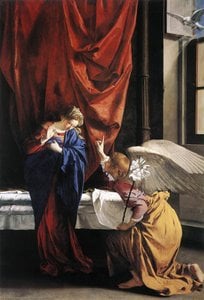
The Annunciation

Experience the dramatic Baroque piety of Bernardo Strozzi's Annunciation (1643), featuring Mary and an angel in rich detail; bring this masterpiece home.

اكتشف برناردو ستروتزي (1581-1644)، رسام ونحات بارز من عصر الباروك الإيطالي. اشتهر بألوانه الغنية، والأسلوب الفينيسي، وأعمال مثل 'رؤية القديس دومينيك'. استكشف إرثه الفني!

نسخة زيتية مصنوعة يدوياً

لوحة زيتية مرسومة يدوياً على الكانفاس بالمقاس والإطار الذي تفضله، تُنفذ حسب الطلب على أيدي فنانينا.

P118B $10
P118H $10
P118W $10
P438Z $10
P508JH $12
P508YH $12
P805H $10
P805Z $10
P919BZ $10
P919G $10
P919XJ $10
P959ZH $10
P968JZ $12
W106C $8
W218G $10
W218JH $8
W218Y $10
W307PJ $10
W316G $10
W316PJ $8
W316Y $10
W398PJ $8
W4111J $10
W500HY $15
W500JH $15
W692G $12
W849H $8
W940BG $15
W953PJ $8

Standard
custom
CM
INCH

اختر من بين أحجامنا المُعدّة مسبقًا والتي تتطابق مع النسب الأصلية للعمل الفني.

العرض
الارتفاع

يمكنك إدخال أبعادك الخاصة لتناسب إطارًا معينًا أو مساحة محددة. وإذا لم يتطابق الحجم الذي اخترته مع نسب الصورة الأصلية، فسنقوم إما بقص العمل الفني أو توسيع اللوحة بإضافة عناصر مرسومة يدويًا. سيتم إرسال نموذج رقمي إليك للموافقة عليه قبل بدء الإنتاج.
يرجى ملاحظة أن المعاينة على الشاشة لا تعكس عملية القص أو التوسيع الفعلية؛ حيث إن النموذج الرقمي وحده هو الذي سيوضح التكوين النهائي بدقة.
وعلى الرغم من توفر أحجام مخصصة، إلا أننا نوصي باختيار أبعاد من القائمة المحددة مسبقًا للحفاظ على النسب الأصلية للعمل الفني.

أمثلة على التعديلات الممكنة: استبدال الوجه بصورة العميل؛ إضافة حيوان أليف (مثل استبدال قطة بكلب)؛ تضمين رسالة مخفية في الخلفية؛ تغيير المناظر الطبيعية أو العناصر في الخلفية.
بعد إتمام الطلب، سيرسل فريق WahooArt.com بريداً إلكترونياً للعميل لطلب التعليمات وتزويده بمعاينة تجريبية (mockup).

توصيل عالمي إلى خلال 3 إلى 4 أسابيع بدلاً من المدة المعتادة البالغة 5 أسابيع. (2 يوليو). جودة لا تهاون فيها.

why_choose_icon
شحن سريع ومجاني لجميع أنحاء العالم
why_choose_icon
قماش كتان عالي الجودة
why_choose_icon
تأمين شحن شامل
why_choose_icon
ضمان استرداد الرسوم الجمركية
why_choose_icon
ضمان مطابقة الألوان الحقيقية
why_choose_icon
سياسة الإرجاع خلال 60 يومًا (في حالات العيوب فقط)
why_choose_icon
ضمان استرداد نقدي بنسبة 100%
why_choose_icon
خصم عند طلب عدة قطع

إجمالي السعر

-

reproduction

The Annunciation

خامة إعادة الإنتاج

مقاس النسخة المطبوعة

-

السعر الإجمالي النهائي

-

معلومات سريعة

  • Subject or theme: The Annunciation
  • Movement: Baroque
  • Year: 1643
  • Notable elements or techniques:
    • Religious scene
    • Angel and Virgin Mary
  • Artistic style: Naturalistic
  • Dimensions: 145 x 120 cm

اختبار الفنون

يوجد إجابة صحيحة واحدة فقط لكل سؤال.

سؤال 1:
What is the primary subject matter depicted in this artwork?
سؤال 2:
Which Italian Baroque painter is credited with creating 'The Annunciation' in 1643?
سؤال 3:
According to the description, what action is central to the interaction between the angel and the Virgin Mary?
سؤال 4:
Bernardo Strozzi's early training took place in the workshop of which painter?
سؤال 5:
The painting was created in what year, placing it within the Baroque period?

وصف العمل الفني

The Divine Encounter: An Examination of The Annunciation

To stand before this depiction of The Annunciation is to step across the threshold into a moment suspended between the earthly and the divine. Bernardo Strozzi, master of the Italian Baroque, has captured not merely an event, but a profound spiritual resonance. The scene unfolds with breathtaking narrative tension: the Virgin Mary, poised in contemplation, receiving the monumental news that will alter the course of human history. Her gentle focus upon the book she holds suggests a life already steeped in sacred knowledge, grounding the miraculous within the realm of scholarly devotion.

The composition is richly populated, drawing the viewer into its intimate drama. The angel, an embodiment of celestial messenger, extends his hand with palpable grace toward Mary. This gesture is more than mere communication; it is a conduit for divine will, rendered with Strozzi’s characteristic dramatic flair. Observe the surrounding figures—those witnesses on either side—whose varied gazes and postures serve to amplify the gravity of the moment, creating a vibrant tapestry of human reaction to the sublime.

Baroque Drama and Venetian Light

Painted in 1643, this work sits squarely within the heart of the Baroque period, an era defined by emotional intensity, dramatic movement, and heightened theatricality. Strozzi, whose career saw him traverse Genoa and ultimately flourish in Venice, masterfully employs the techniques that characterize this style. While his early training provided a solid foundation, it is here that his mature handling of light and shadow—the very essence of Baroque drama—shines through. The interplay between illuminated skin tones and the deeper, more shadowed folds of drapery gives the scene an almost tangible dimensionality.

The technique itself speaks to skilled craftsmanship. Strozzi’s ability to render textures—from the soft fall of Mary's garments to the implied sheen on the angel's robes—is remarkable. It is a painting that demands close viewing, rewarding the observer with details that reveal layers of artistic intention.

Symbolism Woven into Sacred Space

Every element within this canvas seems imbued with symbolic weight. The book Mary studies represents scripture and divine law, suggesting that her acceptance of God's plan is an act both miraculous and intellectually understood. The presence of the decorative object near the bottom right corner, perhaps a vase or altar piece, anchors the sacred narrative within a recognizable, richly furnished domestic or chapel setting. These details prevent the scene from feeling purely ethereal; instead, they root the divine mystery in a tangible, beautiful reality.

The overall emotional impact is one of hushed awe. It is not the bombast of pure ecstasy, but rather the profound quietude that follows revelation—a moment where the soul stills itself before the infinite. This balance between dramatic action and serene contemplation makes it endlessly captivating to the modern eye.

A Statement for the Collector's Space

For those seeking an artwork that transcends mere decoration, this reproduction offers a window into Counter-Reformation spirituality rendered with unparalleled artistic vigor. Its scale (145 x 120 cm) allows it to command attention in a grand hall or a richly appointed study, serving as the focal point for contemplation. Owning a piece echoing Strozzi’s genius means acquiring not just pigment on canvas, but a narrative of faith, drama, and masterful technique—a timeless conversation starter that speaks volumes about an appreciation for history's greatest artistic achievements.

أعمال فنية ذات صلة


السيرة الذاتية للفنان

النشأة والبدايات الفنية

برناردو ستروتزي، الذي عُرف بأسماء ملهمة مثل "إيل كابوتشينو" و"الكهنوت الجينوي"، كان أحد أبرز رسامي ومحفري العصر الباروكي الإيطالي. ولد هذا الفنان المبدع عام 1581 في مدينة جنوة بإيطاليا، حيث بدأت رحلته الفنية تتشكل داخل مرسم تشيزاري كورتي، وهو رسام جينوي مغمور صقل مهارات ستروتزي تحت إشرافه حتى عام 1596. ولم تتوقف طموحاته عند هذا الحد، بل انتقل ليلتحق بمرسم بييترو سوري، ذلك الرسام السيني المبتكر الذي قاد ريشة ستروتزي نحو آفاق أكثر واقعية وطبيعية.

المسيرة الفنية

انقسمت مسيرة ستروتزي الإبداعية إلى مرحلتين جوهريتين: سنواته الأولى في جنوة، وأعماله اللاحقة في مدينة البندقية الساحرة. ففي جنوة، انغمس في مشاريع فنية متنوعة، كان من أبرزها اللوحات الجدارية (الفريسكو) في جوقة كنيسة سان دومينيكو، والتي جاءت بتكليف من أفراد عائلة دوريا العريقة.

التأثير والإرث الفني

اتسم فن ستروتزي بقوة بصرية مذهلة، حيث تميزت أعماله بالألوان الغنية وضربات الفرشاة العريضة والجريئة، مما ترك أثراً عميقاً في التطور الفني بكل من جنوة والبندقية، حتى بات يُعتبر أحد المؤسسين الرئيسيين لأسلوب الباروك البندقي.
  • أبرز رعاة فنه:
  • الدوج فرانشsيسكو إريزو
  • الكاردينال الكاثوليكي وبطريرك البندقية فيديريكو بالديسيرا
  • فنانو البندقية المرموقون، بمن فيهم كلاوديو مونتيفيردي وباربرا ستروتزي

السنوات الأخيرة والرحيل

اتسمت سنوات ستر𝘰زي الأخيرة بمسار مختلف، حيث انخرط في العمل كمهندس. وفي عام 1644، رحل عن عالمنا في مدينة البندقية، تاركاً وراءه إرثاً خالداً كفنان غزير الإنتاج ومتعدد المواهب. شاهد المزيد من أعمال برناردو ستروتزي على WahooArt: [https://WahooArt.com/@/bernardo-strozzi](https://WahooArt.com/@/bernardo-strozzi) استكشف بيناكوتا دي فيتشنزا، إيطاليا، التي تضم أعمالاً من مختلف العصور والأساليب: [https://WahooArt.com/art.nsf/o/a@d3afpd](https://WahooArt.com/art.nsf/o/a@d3afpd)
برناردو ستروتزي

برناردو ستروتزي

1581 - 1644 , إيطاليا

حقائق سريعة

  • أعمال فنية بارزة:
    • رؤية القديس دومينيك
    • بورتريه الدوج إريزو
    • القديس لورانس يقدم الصدقات
  • الاسم الكامل: برناردو ستروتزي
  • الجنسية: إيطالي
  • الحركة أو الأسلوب الفني: الباروك
  • الفنانون أو الحركات المتأثرة بهذا الفنان: ['الباروك البندقي']
  • الفنانون الذين أثروا في هذا الفنان:
    • تشيزاري كورتي
    • بييترو سوري
  • تاريخ الميلاد: 1581
  • تاريخ الوفاة: 1644
  • مكان الميلاد: جنوى، إيطاليا
استكشف الأعمال الفنية المصنفة حسب الموضوعات والأنماط والخصائص.