


لوحة زيتية مرسومة يدوياً على الكانفاس بالمقاس والإطار الذي تفضله، تُنفذ حسب الطلب على أيدي فنانينا. ( اشترِ نسخة مطبوعة اشترِ الصورة)
اختر من بين أحجامنا المُعدّة مسبقًا والتي تتطابق مع النسب الأصلية للعمل الفني.

يمكنك إدخال أبعادك الخاصة لتناسب إطارًا معينًا أو مساحة محددة. وإذا لم يتطابق الحجم الذي اخترته مع نسب الصورة الأصلية، فسنقوم إما بقص العمل الفني أو توسيع اللوحة بإضافة عناصر مرسومة يدويًا. سيتم إرسال نموذج رقمي إليك للموافقة عليه قبل بدء الإنتاج.
يرجى ملاحظة أن المعاينة على الشاشة لا تعكس عملية القص أو التوسيع الفعلية؛ حيث إن النموذج الرقمي وحده هو الذي سيوضح التكوين النهائي بدقة.
وعلى الرغم من توفر أحجام مخصصة، إلا أننا نوصي باختيار أبعاد من القائمة المحددة مسبقًا للحفاظ على النسب الأصلية للعمل الفني.
توصيل عالمي إلى خلال 3 إلى 4 أسابيع بدلاً من المدة المعتادة البالغة 5 أسابيع. (7 سبتمبر). جودة لا تهاون فيها.


Cope pin (front and back)
مقاس النسخة المطبوعة
Benvenuto Cellini's "Cope Pin (Front and Back)," crafted in 1520 for Pope Clement VII, transcends the boundaries of a mere decorative object. It’s a potent emblem of Renaissance power, piety, and artistic virtuosity—a miniature world rendered in shimmering gold and meticulously applied gemstones that speaks volumes about its creator and his patrons. The piece, now housed within the British Museum's collection, offers a captivating glimpse into the opulent courtly life of 16th-century Rome and the extraordinary skill of one of Italy’s most celebrated artists.
The pin itself is a study in symmetrical grandeur. On the front, a radiant figure—often interpreted as an angel or cherub—dominates the scene. Draped in flowing robes, he holds aloft a golden cope (the traditional liturgical vestment), his wings outstretched in a gesture of serene authority. Surrounding him are four exquisitely crafted blue gemstones, reminiscent of lapis lazuli, adding to the overall sense of celestial splendor. The reverse side presents a dramatically different yet equally compelling composition: a shield bearing a heraldic emblem—likely representing the Papal States—flanked by imposing lion heads, symbols of strength and vigilance. Scrollwork motifs cascade across the surface, creating an intricate tapestry of detail that reflects the meticulous craftsmanship characteristic of Cellini’s work.
Cellini's mastery is immediately apparent in the execution of this piece. He employed a technique known as *repoussé*, hammering the gold sheet from the reverse side to create raised relief, then meticulously applying enamel—a process that demanded incredible precision and patience. The use of gemstones, particularly the vibrant blues, further elevates the work’s visual impact. The pin's design is deeply rooted in Mannerism, a style prevalent during this period which favored dramatic poses, elongated figures, and an emphasis on emotional intensity over strict realism. Notice how the angel’s wings are exaggerated, creating a sense of dynamism and movement—a hallmark of Cellini’s distinctive artistic vision.
Crucially, the pin was conceived as part of a larger commission for Pope Clement VII, intended to adorn his liturgical vestments. Cellini's detailed drawings, now preserved in the British Museum, reveal the painstaking process involved in translating this grand design into physical form. These sketches demonstrate not only Cellini’s technical skill but also his meticulous approach to planning and execution—a testament to his status as a true Renaissance polymath.
Beyond its aesthetic beauty, the "Cope Pin" is laden with symbolic meaning. The angel represents divine authority and protection, while the shield signifies the strength and stability of the papacy. The lion heads embody vigilance against external threats—a crucial concern for the Church during a period of political instability. The overall composition can be interpreted as a visual declaration of papal power and piety, designed to inspire awe and reverence in those who beheld it.
Created in 1520, during the tumultuous reign of Clement VII, the pin reflects the anxieties and aspirations of the era. The papacy was embroiled in complex political alliances and facing challenges from rival European powers. Cellini’s work served as a powerful statement of papal authority—a visual reminder of the Church's enduring influence and spiritual leadership.
Benvenuto Cellini’s “Cope Pin (Front and Back)” stands as a remarkable achievement in Renaissance goldsmithery. It is not merely an exquisite object but a window into the artistic, political, and religious landscape of 16th-century Rome. Its intricate details, masterful technique, and profound symbolism continue to captivate viewers today—a testament to the enduring legacy of one of Italy’s greatest artists.

ولد بنوفينوتو تشيليني في فلورنسا عام 1500، وكان تجسيدًا حقيقيًا لروح عصر النهضة الإيطالي. لم يكن مجرد صائغ أو نحات، بل كان فنانًا شاملاً امتلك موهبة استثنائية في الرسم والتصميم والعزف على الآلات الموسيقية والكتابة أيضًا. اشتهر تشيليني بشخصيته الجريئة وطموحه الذي لا يعرف الحدود، وترك لنا إرثًا فنيًا وأدبيًا فريدًا من نوعه. يعتبر كتابه الذاتي، الذي يروي فيه تفاصيل حياته ومغامراته، عملًا أدبيًا هامًا يعكس ثقافة المجتمع في تلك الحقبة.
ينحدر تشيليني من عائلة ذات ميول موسيقية؛ فقد كان والده موسيقيًا وصانع آلات. أظهر بنوفينوتو شغفًا بالموسيقى في بداية حياته، لكنه سرعان ما اكتشف موهبته الفطرية في الصياغة. في الخامسة عشرة من عمره، أقنع والده المتردد بالسماح له بالتدريب على يد أنطونيو دي ساندرو، المعروف باسم ماركوني. كانت هذه بداية رحلته الفنية الطويلة. لم تخلُ سنواته الأولى من التحديات؛ فقد تورط في شجار مع بعض الأصدقاء في سن السادسة عشرة، مما أدى إلى نفيه من فلورنسا وعمله لفترة في سيينا تحت إشراف الصائغ فراكاستورو.
تميزت أعمال بنوفينوتو تشيليني بالدقة المتناهية والابتكار والإحساس العميق بالجمال. من بين أشهر أعماله:
استوحى تشيليني إلهامه من الفن الكلاسيكي وأعمال مايكل أنجلو، لكنه أضفى على أعماله لمسة خاصة تميزه عن غيره. يتميز أسلوبه بالديناميكية والواقعية والانتباه إلى التفاصيل الدقيقة.
لم يقتصر نشاط تشيليني على ورشته الفنية فحسب؛ فقد شارك في العديد من المعارك العسكرية، وزعم أنه لعب دورًا حاسمًا في الدفاع عن روما ضد القوات الإمبراطورية. كان أيضًا موسيقيًا موهوبًا يعزف على آلة الكورنيت والناي في البلاط البابوي. لكن ما يميزه حقًا هو سيرته الذاتية التي كتبها بنفسه.
ليست سيرته الذاتية مجرد استعراض للأحداث؛ بل هي صورة ذاتية دقيقة رسمها تشيليني بعناية لإبراز مواهبه وتبرير أفعاله. على الرغم من أنها قد تكون غير موثوقة في بعض الأحيان بسبب تحيزاته الشخصية، إلا أنها تظل مصدرًا أساسيًا لفهم حياة عصر النهضة.
توفي بنوفينوتو تشيليني في فلورنسا عام 1571، وترك لنا إرثًا كواحد من أهم فناني عصر المانييريزم. لا تزال مهاراته الفنية وابتكاراته وسيرته الذاتية الجذابة تلهم الفنانين وعشاق الفن حتى اليوم. يمثل تشيليني النموذج المثالي لفنان عصر النهضة – فنان متعدد المواهب، مدفوعًا بالطموح، ولا يخاف من التعبير عن فرديته. تحتفل أعماله بجمالها وحرفيتها وقوتها الدرامية، مما يؤكد مكانته كشخصية محورية في تاريخ الفن الغربي.

1500 - 1571 , إيطاليا
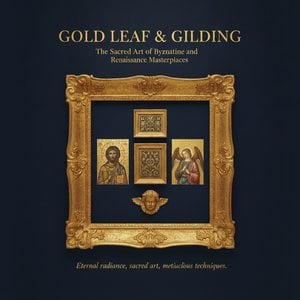
Explore the divine mastery of Byzantine gold leaf and gilding. Discover how ancient artisans used gold ground and mosaics to create celestial light, a timeless legacy of spiritual splendor and technical excellence in sacred art history.

Embark on a visual journey through the world's most radiant masterpieces. Discover how gold leaf, impasto textures, and gilded tones define luxury in fine art, from Byzantine icons to modern abstracts. Explore the eternal allure of gold in curated, museum-quality art collections.

Master the nuances of three-dimensional art with our expert guide. Explore sculptural history, from Phidias to Neoclassicism, and learn to evaluate materiality, form, and technique like a true connoisseur. Elevate your collection with profound insights into the world of sculpture.

 مشاركة
 مشاركة
 التفاصيل

 تحميل الملف
 قطع مشابهة
 عرض شرائح


 عرض المزيد




































 خيار الزجاج متاح فقط للمقاسات التي تقل عن 110 سم


