استشارة فنية مجانية

x
شراء نسخة مطبوعة شراء نسخة مطبوعةاطلب نسخة مرسومة يدوياً اطلب نسخة مرسومة يدوياً مشاركةمشاركة
التفاصيلالتفاصيل أضف إلى المفضلة أضف إلى المفضلة تحميل الملفتحميل الملف قطع مشابهةقطع مشابهة الأشعة السينيةالأشعة السينية عرض شرائحعرض شرائح

Composition

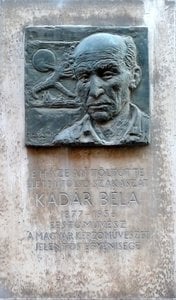
Discover Béla Kádár (1877-1956), a Hungarian pioneer of avant-garde art! Explore his vibrant paintings blending Expressionism, Cubism & Neo-Primitivism in evocative scenes of village life and bold abstract compositions.

احصل على صورة رقمية عالية الدقة ومعزّنة، بجودة تفوق بكثير المعاينة عبر الإنترنت.

يتم إعداد كل ملف بعناية فائقة من قبل متخصصينا الداخليين باستخدام أدوات متقدمة ولمسات يدوية خبيرة. نضمن أن تتمتع كل صورة بوضوح استثنائي، ودقة لونية متناهية، وتفاصيل دقيقة.

يتم تسليم الملف النهائي عبر البريد الإلكتروني في غضون 72 ساعة، وهو مُحسَّن للاستخدام الفوري في المجالات المهنية والتحريرية ومجالات الطباعة. هذه هي ذات الجودة التي تعتمد عليها كبرى استوديوهات التصميم ودور النشر والمعارض الفنية المرموقة.

صورة رقمية

حمّل ملفاً عالي الدقة للعرض الشخصي، والطباعة، والمشاريع الإبداعية.

إجمالي السعر

$9.99

مزايا مُضمّنة في كل طلب صورة رقمية

تسليم رقمي احترافي، مضمون

عندما تختار WahooArt.com، فأنت لا تحصل على مجرد صورة فحسب، بل ستحصل على عمل فني رقمي مُحسّن باحترافية، صُمم بدقة متناهية ومصحوب بضمان الرضا. إليك كل ما يتضمنه طلبك تلقائياً:

shipping_icon
تسليم سريع عبر البريد الإلكتروني

ستصلك ملفات صورك الرقمية عالية الدقة عبر البريد الإلكتروني في غضون 72 ساعة من إتمام الطلب - لتكون جاهزة للاستخدام الفوري.

canvas_icon
ملف رقمي مُحسّن بالذكاء الاصطناعي

يتم تحسين عملك الفني باحترافية باستخدام أدوات الذكاء الاصطناعي المتقدمة والتحرير اليدوي، لضمان أقصى درجات التفاصيل والوضوح ودقة الألوان.

insurance_icon
إعادة إرسال مجانية مدى الحياة

هل حذفت ملفك أو فقدته عن طريق الخطأ؟ لا تقلق - سنعيد إرساله إليك في أي وقت، ومجاناً.

tax_icon
بدون رسوم استيراد - على الإطلاق

استمتع بأعمالك الفنية فوراً دون أي رسوم جمركية أو ضرائب أو مصاريف شحن - فالتحميلات الرقمية دائماً ما تكون معفاة من الضرائب.

color_icon
ضمان دقة الألوان

نحن نضمن أن تعكس صورتك الرقمية الألوان الأصلية بأقصى قدر ممكن من الدقة، وذلك باستخدام أدوات احترافية وتقنيات إدارة الألوان.

return_icon
ضمان الرضا لمدة 60 يومًا

إذا لم تكن راضياً عن صورتك الرقمية، فسنقوم بتعديلها أو استرداد 100% من قيمتها خلال 60 يوماً - دون أي أسئلة.

guarantee_icon
ضمان استعادة الأموال بنسبة % 100

لم تكن راضياً؟ احصل على استرداد كامل المبلغ خلال 60 يومًا من استلام ملفك الرقمي - دون أي أسئلة.

discount_icon
خصومات الطلبات الكبيرة

اشتري 3 صور، ووفر 10% - اشتري 5، ووفر 15% - اشتري +10، ووفر 20%. مثالية للمشاريع الإبداعية، والمعارض، والوكالات.


السيرة الذاتية للفنان

A Hungarian Voice of the Avant-Garde: The Life and Art of Béla Kádár

Born into a working-class Jewish family in Budapest in 1877, Béla Kádár’s journey to becoming a pivotal figure in early 20th-century avant-garde art was one forged through both hardship and an unwavering dedication to artistic exploration. His formal education was limited to six years, yet this lack of traditional schooling seemed to liberate him from conventional constraints, allowing for a uniquely personal visual language to emerge. Kádár began his professional life not with a brush in hand, but as an apprentice iron-turner – a trade that profoundly impacted his artistic sensibilities, instilling within him a deep understanding of form, structure, and the inherent beauty found within industrial materials. Even in these early years, however, his creative spirit shone through; he initially focused on painting murals throughout Budapest, demonstrating an innate inclination towards large-scale visual expression and storytelling. This foundational period laid the groundwork for the bold and dynamic compositions that would later define his oeuvre.

Paris, Berlin, and a Synthesis of Styles

The true catalyst for Kádár’s artistic development arrived with his travels to Paris and Berlin in 1910. These journeys exposed him to the burgeoning avant-garde movements sweeping across Western Europe, irrevocably altering his artistic trajectory. He encountered the radical ideas of Der Blaue Reiter, the fragmented forms of Cubism, the dynamism of Futurism, and the raw energy of Neo-Primitivism – influences that he didn’t simply adopt wholesale, but rather synthesized into a distinctive visual vocabulary all his own. Kádár wasn't content to align himself with any single “school” of thought; instead, he embarked on a constant exploration of form, color, and composition, driven by an insatiable desire to break free from the constraints of traditional representational art. He absorbed elements from Constructivism and even the dreamlike qualities of Metaphysical painting, weaving them together in a complex tapestry that reflected his unique perspective. This period marked a crucial turning point, transforming him from a promising muralist into a truly innovative artist on the cusp of international recognition.

Recognition and International Exposure

Kádár’s breakthrough moment arrived in October 1923 with an exhibition at Herwarth Walden's prestigious Galerie der Sturm in Berlin. This showcase presented his work in a distinctly Expressionist style, immediately garnering attention and establishing him as a force to be reckoned with within the European art scene. The gallery, known for championing radical new artistic voices, provided Kádár with an ideal platform to connect with collectors and fellow artists who shared his commitment to experimentation. Further bolstering his international profile were two exhibitions organized by Katherine Dreier at the Brooklyn Museum of Art in New York City, in 1926 and 1928. Notably, Kádár attended the second exhibition, solidifying his presence on the American art landscape and fostering valuable connections within the burgeoning modernist movement across the Atlantic. His paintings during this period often depicted scenes drawn from Hungarian folklore, intimate portraits, and glimpses of village life – subjects rendered with a bold color palette and dynamic compositions that captured both the spirit of his homeland and the energy of the modern age.

A Legacy of Bold Innovation

Béla Kádár’s artistic style is immediately recognizable for its vibrant and expressive use of color, often employing non-naturalistic hues to convey emotion and atmosphere. His compositions are characterized by a palpable sense of movement and energy, achieved through the interplay of lines, shapes, and forms that seem to vibrate on the canvas. He frequently employed an impasto technique – applying thick layers of paint – creating textured surfaces that enhance the visual impact of his work and invite tactile exploration. But perhaps what truly sets Kádár apart is his remarkable ability to synthesize these diverse artistic influences into a cohesive and original style. He represents a crucial link between the Hungarian avant-garde and the broader European movements of his time, reflecting the social and political upheavals of the early 20th century in his art. While not always as widely celebrated during his lifetime as some of his contemporaries, Kádár’s work has experienced a resurgence in recent decades, with scholars increasingly recognizing his significant contributions to modern art. He died in Budapest in 1956, leaving behind a legacy of bold and innovative paintings that continue to inspire artists and captivate audiences today – a testament to the enduring power of an artist who dared to forge his own path.

Key Characteristics of Kádár’s Work

  • Bold Color Palette: Kádár was renowned for his vibrant and expressive use of color, often employing non-naturalistic hues to convey emotion and atmosphere.
  • Dynamic Composition: His compositions are characterized by a sense of movement and energy, achieved through the interplay of lines, shapes, and forms.
  • Impasto Technique: He frequently used thick layers of paint (impasto) to create textured surfaces and enhance the visual impact of his work.
  • Unique Synthesis: Kádár’s ability to synthesize diverse artistic influences into a cohesive and original style sets him apart as a significant figure in early 20th-century art.
  • Themes & Subjects: His paintings often depict scenes of folklore, village life, and intimate portraits, rendered with bold colors and dynamic compositions. He also explored abstract themes and experimented with fragmented forms.
Béla Kádár

Béla Kádár

1877 - 1956