معاينة الحجم الحقيقي معاينة بالواقع المعزز التحويل إلى المطبوعات اشترِ لوحة مرسومة يدويًا مشاركة
التفاصيل الدليل أضف إلى المفضلة تحميل الملف قطع مشابهة الأشعة السينية عرض شرائح الإحصائيات

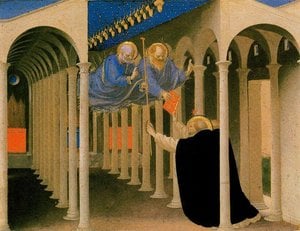
St Peter Blessing and Donor

Experience the sculptural grandeur of Bartolomeo Montagna's St Peter Blessing and Donor, a 1505 High Renaissance masterpiece of Venetian devotion that invites you to bring this timeless vision of faith into your collection.

اكتشف بارتولوميو مونتانيا، سيد عصر النهضة الشهير بلوحات العذراء الهادئة والعمارة الرخامية المتميزة. استكشف أعماله البندقية من القرنين الخامس عشر والسادس عشر.

احصل على صورة رقمية عالية الدقة ومعزّنة، بجودة تفوق بكثير المعاينة عبر الإنترنت.

يتم إعداد كل ملف بعناية فائقة من قبل متخصصينا الداخليين باستخدام أدوات متقدمة ولمسات يدوية خبيرة. نضمن أن تتمتع كل صورة بوضوح استثنائي، ودقة لونية متناهية، وتفاصيل دقيقة.

يتم تسليم الملف النهائي عبر البريد الإلكتروني في غضون 72 ساعة، وهو مُحسَّن للاستخدام الفوري في المجالات المهنية والتحريرية ومجالات الطباعة. هذه هي ذات الجودة التي تعتمد عليها كبرى استوديوهات التصميم ودور النشر والمعارض الفنية المرموقة.

صورة رقمية

حمّل ملفاً عالي الدقة للعرض الشخصي، والطباعة، والمشاريع الإبداعية. ( التحويل إلى المطبوعات اشترِ لوحة مرسومة يدويًا)

إجمالي السعر

$ 24,90

مزايا مُضمّنة في كل طلب صورة رقمية

تسليم رقمي احترافي، مضمون

عندما تختار WahooArt.com، فأنت لا تحصل على مجرد صورة فحسب، بل ستحصل على عمل فني رقمي مُحسّن باحترافية، صُمم بدقة متناهية ومصحوب بضمان الرضا. إليك كل ما يتضمنه طلبك تلقائياً:

shipping_icon
تسليم سريع عبر البريد الإلكتروني

ستصلك ملفات صورك الرقمية عالية الدقة عبر البريد الإلكتروني في غضون 72 ساعة من إتمام الطلب - لتكون جاهزة للاستخدام الفوري.

canvas_icon
ملف رقمي مُحسّن بالذكاء الاصطناعي

يتم تحسين عملك الفني باحترافية باستخدام أدوات الذكاء الاصطناعي المتقدمة والتحرير اليدوي، لضمان أقصى درجات التفاصيل والوضوح ودقة الألوان.

insurance_icon
إعادة إرسال مجانية مدى الحياة

هل حذفت ملفك أو فقدته عن طريق الخطأ؟ لا تقلق - سنعيد إرساله إليك في أي وقت، ومجاناً.

tax_icon
بدون رسوم استيراد - على الإطلاق

استمتع بأعمالك الفنية فوراً دون أي رسوم جمركية أو ضرائب أو مصاريف شحن - فالتحميلات الرقمية دائماً ما تكون معفاة من الضرائب.

color_icon
ضمان دقة الألوان

نحن نضمن أن تعكس صورتك الرقمية الألوان الأصلية بأقصى قدر ممكن من الدقة، وذلك باستخدام أدوات احترافية وتقنيات إدارة الألوان.

return_icon
ضمان الرضا لمدة 100 يوم

إذا لم تكن راضياً عن صورتك الرقمية، فسنقوم بتعديلها أو استرداد 100% من قيمتها خلال 100 يوم - دون طرح أي أسئلة.

guarantee_icon
ضمان استعادة الأموال بنسبة % 100

لم تكن راضياً؟ استرد كامل المبلغ خلال 100 يوم من استلام ملفك الرقمي - دون طرح أي أسئلة.

discount_icon
خصومات الطلبات الكبيرة

اشتري 3 صور، ووفر 10% - اشتري 5، ووفر 15% - اشتري +10، ووفر 20%. مثالية للمشاريع الإبداعية، والمعارض، والوكالات.

معلومات سريعة

  • Artistic style: Serene compositions
  • Medium: Oil on panel
  • Artist: Bartolomeo Montagna
  • Notable elements or techniques: Sculptural form
  • Dimensions: 60 x 39 cm
  • Location: Gallerie dell'Accademia
  • Title: St Peter Blessing and Donor

اختبار الفنون

يوجد إجابة صحيحة واحدة فقط لكل سؤال.

سؤال 1:
What is the primary subject depicted in Bartolomeo Montagna’s ‘St Peter Blessing and Donor’?
سؤال 2:
The painting utilizes what artistic technique primarily?
سؤال 3:
What architectural element is prominently featured in the background of ‘St Peter Blessing and Donor’?
سؤال 4:
In what artistic movement did Bartolomeo Montagna work?
سؤال 5:
What is the overall mood conveyed by the painting’s composition?

Bartolomeo Montagna’s St Peter Blessing and Donor: A Venetian Vision of Faith

The painting “St Peter Blessing and Donor” by Bartolomeo Montagna, completed in 1505, stands as a cornerstone of the Vicenza School's artistic output during the High Renaissance—a testament to Venetian artistic prowess and imbued with profound spiritual significance. More than just a portrait, it’s an exquisitely crafted depiction of piety and patronage, reflecting the fervent devotion prevalent within the Catholic Church at the time and showcasing Montagna’s masterful command of sculptural form.

Subject Matter and Composition

At its core lies Saint Peter himself—the revered first Pope—presented in serene repose as he bestows blessings upon a kneeling supplicant. The figure of St. Peter dominates the canvas, positioned centrally with his right hand outstretched in benediction while holding a book aloft – a symbol of divine scripture and papal authority. Beneath him kneels an unnamed man, presumably representing a wealthy donor who commissioned the artwork, embodying humility before God’s grace. Two additional figures flank the central scene: one standing on the left, possibly symbolizing justice or vigilance, and another positioned on the right, offering support and conveying compassion. Montagna skillfully arranges these elements within a richly ornamented archway adorned with columns—a deliberate architectural device that lends depth and grandeur to the composition, mirroring the monumental churches of Venice during this period.

Style and Technique: Sculptural Form in Paint

Montagna’s distinctive style is characterized by an unparalleled sensitivity to sculptural form—a hallmark of Venetian painting influenced by Andrea Mantegna and Giovanni Bellini. He achieves this illusionistic effect through meticulous modeling and shading, creating a palpable sense of volume that transcends the limitations of pigment alone. The artist employs oil paint on panel, utilizing glazing techniques to build up layers of color with remarkable subtlety and precision. This painstaking process allows for nuanced tonal variations—particularly evident in St Peter’s drapery—that capture the texture and luminosity of marble, mirroring the architectural grandeur of Venetian palaces and churches. Montagna's meticulous attention to detail is palpable throughout the artwork, elevating it beyond mere representation into a powerful expression of artistic virtuosity.

Historical Context: Venice and Papal Patronage

The painting emerged during a period of immense cultural flourishing in Venice—a city firmly entrenched as the spiritual capital of Christendom and a beacon of humanist ideals. The Venetian Republic actively fostered artistic innovation, attracting talent from across Europe and commissioning monumental artworks to glorify God and commemorate important events. St Peter Blessing and Donor exemplifies this patronage ethos, commissioned by a prominent Venetian noble family who sought to honor Saint Peter’s role as protector of the papacy—a gesture reflecting the deep religious convictions of the era. The artwork speaks to the broader cultural preoccupation with portraying saints in idealized form, aligning seamlessly with the artistic conventions of the High Renaissance and cementing Montagna's place within Venetian art history.

Symbolism: Light, Gesture, and Divine Grace

Beyond its formal beauty, “St Peter Blessing and Donor” is laden with symbolic meaning. The gesture of blessing—performed by St Peter—represents divine grace and spiritual benediction, conveying the transformative power of faith. The book symbolizes sacred scripture—the source of papal authority and moral guidance—underscoring the importance of theological contemplation. Furthermore, the kneeling donor embodies humility before God’s majesty, acknowledging his dependence on divine providence. Montagna's masterful use of light—particularly diffused illumination—creates an atmosphere of serenity and reverence, emphasizing the spiritual essence of the scene. The overall composition reinforces this symbolic narrative, inviting viewers to contemplate themes of piety, devotion, and papal sanctity.

Emotional Impact: Tranquility and Reverence

The painting’s enduring appeal lies in its ability to evoke a profound sense of tranquility and reverence—qualities that resonate deeply with audiences even today. Montagna's masterful rendering of human form captures the dignity and solemnity of religious devotion, transporting viewers back to Renaissance Venice. The artwork’s harmonious balance and refined aesthetic qualities serve as an inspiration for interior designers seeking to create spaces imbued with spiritual warmth and artistic beauty—a testament to Bartolomeo Montagna’s legacy as one of Venetian art's most influential masters.

السيرة الذاتية للفنان

رؤيوي فيتشنزا: حياة وإرث بارتولوميو مونتانيا

في قلب عصر النهضة الإيطالي، وبين ثنايا المناظر الطبيعية الغنية بالرخام في فيتشنزا والقنوات المتلألئة في البندقية، برز رسام امتلكت ريشته قدرة نادرة على الجمع بين الصلابة النحتية والنعومة الأثيرية. يبرز بارتولميو مونتانيا كحجر زاوية في مدرسة فيتشنزا، وهو فنان جسدت مسيرته المهنية الجسر الرابط بين الدقة المتناهية لأوائل عصر "الكوتروتشينتو" والعمق الجوي المضيء لعصر النهضة العالي. ولد مونتانيا حوالي عام 1450، وكانت حياته متشابكة بعمق مع التطور الإنساني لعصره، تلك الحقبة التي بث فيها إعادة اكتشاف العصور الكلاسيكية القديمة حياة جديدة في الأيقونات الدينية.

لقد صيغت الهوية الفنية لمونتانيا من خلال مزيج متطور من التأثيرات الإقليمية والتعرض المباشر لأساتذة جمهورية البندقية. وفر له تدريبه المبكر في بريشا تحت إشراف جيوفاني باتيستا بروستولو أساساً من التفاصيل الدقيقة الصارمة، ومع ذلك، كانت رحلته اللاحقة إلى البندقية هي التي أشعلت عبقريته حقاً. ومن خلال انغماسه في الورش النابضة بالحياة في الجمهورية الأكثر هدوءاً (Serenissima)، استوعب الدروس العميقة لـ جيوفانا بيليني والكثافة النحتية لـ أندريا مانتينيا. وقد سمح له هذا الاحتكاك بتطوير أسلوب مميز يتميز بلوحة ألوان هادئة، وإحساس معماري بالفضاء، وتحكم بارع في الضوء والظل، مما منح شخصياته حضوراً ملموساً وثلاثي الأبعاد.

براعة في الشكل والتعبد

إن نتاج مونتانيا الفني هو شهادة على قدرته على تحويل الموضوعات المقدسة إلى لحظات من التأمل العميق والهادئ. ونادراً ما تتسم أعماله بالحركة الصاخبة؛ بل تقدم بدلاً من ذلك سكوناً وادعاً يدعو المشاهد إلى حالة من التفكير التعبدي. ويتجلى هذا بوضوح في تصويراته للعذراء والطفل، حيث تمتلك الشخصيات كرامة أرستقراطية تقترن بهشاشة إنسانية رقيقة. وفي روائع مثل العذراء والطفل مع قديس، يمكن للمرء أن يلاحظ كيف يستخدم الأشكال المنحوتة والعناصر الطبيعية الدقيقة — مثل الحضور الرقيق للطيور — لترسيخ الموضوعات الإلهية ضمن واقع أرضي ملموس.

وإلى جانب لوحات العذراء، برع مونتانيا في تصوير القوة المنفردة للقديسين والعلماء. وتعد لوحته القديس جيروم مثالاً يحبس الأنفاس على قدرته على التقاط ثقل العمل الفكري والروحي من خلال الملمس والضوء الدقيقين. وبالمثل، تظهر لوحته القديسة جوستينا البادوفية توليفاً رائعاً بين الرمزية التعبدية والجمال الرفيع المميز لفن البندقية في أواخر القرن الخامس عشر. ومن خلال هذه الأعمال، أثبت مونتانيا أن الرسم الديني يمكن أن يكون معقداً فكرياً وآسراً بصرياً في آن واحد، مستخدماً الخداع المعماري لخلق نوافذ تطل على عالم أكثر قدسية.

الأهمية التاريخية والانتصار الفني

تكمن الأهمية الدائمة لبارتولوميو مونتانيا في دوره كحلقة وصل حيوية في تطور الرسم في شمال إيطاليا. وبينما طغت عليه غالباً الشخصيات الطاغية في البندقية، فإن مساهمته في تطوير مدرسة فيتشنزا قدمت توازناً أسلوبياً ضرورياً للاتجاهات البندقية الأكثر بهرجة. إن قدرته على دمج الصرامة الهيكلية لمانتينيا مع الضوء الجوي الناعم لبيليني خلقت لغة جمالية فريدة تردد صداها في جميع أنحاء المنطقة.

تنتشر إنجازاته الكبرى عبر المؤسسات الدينية الأكثر هيبة في عصره، من دورات الفريسكو الضخمة في دير تشيرتوزا دي بافيا إلى المذابح الهامة في متحف فيتشنزا المدني. وحتى يومنا هذا، لا تزال أعمال مونتانيا تأسر مؤرخي الفن وعشاقه على حد سواء، مقدمة نافذة على فترة من الإبداع الذي لا يضاهى. ويظل إرثه محفوراً في نسيج عصر النهضة ذاته — إرث من الدقة الشبيهة بالرخام، والعمق الروحي، والالتزام الراسخ بجمال الشكل البشري.

لمحة سريعة

  • Artistic Movement Or Style: عصر النهضة
  • Artists Or Movements Influenced By This Artist: ['مانتينيا']
  • Artists Who Influenced This Artist: ['جيوفاني بيليني']
  • Date Of Birth: فيتشينزا، إيطاليا (1450)
  • Full Name: بارتولوميو مونتانيا
  • Nationality: إيطالي
  • Notable Artworks:
    • القديسة يوستينا البادوفية
    • العذراء والطفل
  • Place Of Birth: فيتشينزا