


إن العمل الفني المعروض في هذه الصفحة محمي بموجب قوانين حقوق الطبع والنشر، مما يعني أنه لا يحق لنا قانوناً إنشاء أو بيع نسخ مطابقة له. وتُطبق هذه الحماية بموجب الاتفاقيات الدولية مثل الـ اتفاقية برن ووفقاً للقوانين الوطنية، بما في ذلك تلك المنصوص عليها في قانون حقوق الطبع والنشر في الولايات المتحدة - الباب 17.
تتوافق هذه الطريقة تماماً مع لوائح حقوق النشر لأنها لا تتضمن نسخ أو تكرار العمل الفني المحمي، بل هي إعادة تفسير إبداعية؛ أي أنها لوحة جديدة مستوحاة من الأصل ولكنها ليست مطابقة له.
طباعة جيكلي أو كانفاس بجودة المتاحف، مع سرعة في التنفيذ وخيارات متنوعة للتشطيب. ( شراء لوحة مرسومة يدويًا الانتقال إلى الصورة الرقمية)





























اختر من بين أحجامنا المُعدّة مسبقاً والتي تتوافق مع النسب الأصلية للعمل الفني.

أدخل العرض والارتفاع المطلوبين ليتناسب المقاس مع إطارك أو جدارك. يرجى الملاحظة أن المطبوعة يمكن قصها فقط ولا يمكن تكبيرها لتتجاوز أبعاد الصورة الأصلية، لذا فإن اختيار مقاس بأبعاد مختلفة سيؤدي إلى فقدان جزء من الصورة. سنرسل لك نموذجاً رقمياً تجريبياً لاعتماده قبل البدء في عملية الطباعة. الصورة المعروضة في هذه الصفحة لا توضح شكل القص الفعلي — النموذج التجريبي فقط هو ما يظهر ذلك بدقة.
توصيل عالمي إلى خلال أسبوعين بدلاً من المدة القياسية البالغة 4/5 أسابيع. (8 نوفمبر)
The Emir Feisal
مقاس النسخة المطبوعة
In the quiet intensity of Augustus Edwin John’s 1919 masterpiece, The Emir Feisal, one encounters more than a mere historical likeness; one meets a profound study of human fortitude. As the world grappled with the seismic shifts following the Great War, John turned his gaze toward Sheikh Feisal bin Abdulaziz Al Saud, capturing a moment of stillness amidst global turbulence. The portrait does not simply present the face of a future monarch; it distills the very essence of dignity. Through a masterful command of light and shadow, the artist invites the viewer into a private space of contemplation, where the weight of leadership and the gravity of history converge in a single, piercing gaze.
The composition is a triumph of realist technique, characterized by John’s ability to breathe life into texture and form. The Sheikh is depicted in formal, traditional attire, with a dark robe draped elegantly over his shoulder, creating a rhythmic interplay of deep tones and soft highlights. John employs chiaroscuro—the dramatic tension between light and dark—to sculpt the subject's features, lending a sculptural three-dimensionality to the face and the intricate folds of the turban. Every brushstroke feels deliberate, yet possesses a fluid vitality that prevents the realism from feeling static. The subtle rendering of the decorative elements on his headwear, suggesting pearls or fine beads, showcases a meticulous attention to detail that rewards close, lingering inspection.
Beyond the physical accuracy of the portrait lies a rich tapestry of symbolic meaning. Held firmly within the Sheikh’s hands is a book, an element that serves as a silent testament to intellectual engagement and the pursuit of knowledge. In this context, the book transcends its material form to represent the wisdom and cultural heritage central to the identity of the Arabian Peninsula during its formative years. This connection between the subject and his scholarly attribute imbues the painting with an aura of quiet authority, suggesting a leader whose power is rooted in deep-seated intellect and tradition.
The emotional impact of the work is anchored by the subject's direct gaze. By looking squarely at the viewer, Feisal establishes an immediate, respectful connection, demanding recognition while maintaining an air of impenetrable composure. This psychological depth makes the painting an extraordinary piece for any collection; it possesses a commanding presence that can anchor a room, offering a sense of stability and historical continuity. For the discerning collector or interior designer, The Emir Feisal offers a sophisticated focal point—a window into a transformative era of history, rendered with a poetic sensitivity that continues to resonate across generations.
بالنسبة لـ "The Emir Feisal"، يُنصح بالطباعة بحجم Medium وبوضعية Portrait.
اللون الأكثر بروزاً في "The Emir Feisal" هو Driftwood (#88714a)؛ ويُعد اللون السائد مفيداً عند تنسيق العمل الفني مع التصميم الداخلي.
تأتي لوحة "The Emir Feisal" بتنسيق Portrait، وهو أمر مفيد عند التخطيط لمكان وضع النسخة المطبعة.

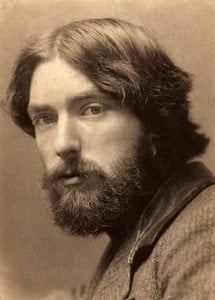
1878 - 1961 , الولايات المتحدة الأمريكية

Discover the exquisite era of Victorian Naturalism. Explore how master artists blended scientific precision with breathtaking realism to capture the soul of nature through botanical oil paintings and legendary landscapes.
 معاينة الحجم الواقعي
 مشاركة
 مشاركة
 التفاصيل
 دليل
دليل

 تحميل الملف
 قطع مشابهة
 الأشعة السينية
 عرض شرائح
 الأسئلة والأجوبة
 الإحصائيات


 عرض المزيد









 خيار الزجاج متاح فقط للمقاسات التي تقل عن 110 سم


