معاينة الحجم الواقعي معاينة بالواقع المعزز اطلب نسخة مرسومة يدويًا التحويل إلى الصورة الرقمية إرسال
عرض التفاصيل دليل الأعمال الفنية للطلاب أضف إلى المفضلة تحميل قطع مشابهة الأشعة السينية عرض شرائح متتابع الإحصائيات

Farming generations

Discover 'Farming Generations' by August Sander, a powerful black-and-white family portrait capturing multigenerational bonds with timeless realism. Perfect for art collectors seeking historical and documentary photography.

August Sander (1876-1964): Pioneering German photographer of 'People of the 20th Century.' His objective portraits captured Weimar Republic society, influencing New Objectivity & social realism.

إن العمل الفني المعروض في هذه الصفحة محمي بموجب قوانين حقوق الطبع والنشر، مما يعني أنه لا يحق لنا قانوناً إنشاء أو بيع نسخ مطابقة له. وتُطبق هذه الحماية بموجب الاتفاقيات الدولية مثل الـ اتفاقية برن ووفقاً للقوانين الوطنية، بما في ذلك تلك المنصوص عليها في قانون حقوق الطبع والنشر في الولايات المتحدة - الباب 17.

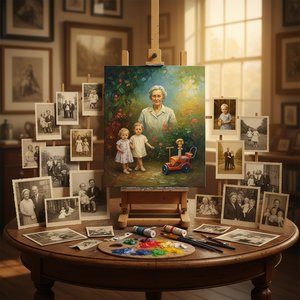
تتوافق هذه الطريقة تماماً مع لوائح حقوق النشر لأنها لا تتضمن نسخ أو تكرار العمل الفني المحمي، بل هي إعادة تفسير إبداعية؛ أي أنها لوحة جديدة مستوحاة من الأصل ولكنها ليست مطابقة له.

طباعة جيلي / مطبوعات فنية

طباعة جيكلي أو كانفاس بجودة المتاحف، مع سرعة في التنفيذ وخيارات متنوعة للتشطيب. ( اطلب نسخة مرسومة يدويًا التحويل إلى الصورة الرقمية)

Corner sample of the P118B picture frame: moulded polystyrene, 5 cm wide and 3 cm thick
P118B E£10
Corner sample of the P118H picture frame: moulded polystyrene, 5 cm wide and 3 cm thick
P118H E£10
Corner sample of the P118W picture frame: moulded polystyrene, 5 cm wide and 3 cm thick
P118W E£10
Corner sample of the P438Z picture frame: moulded polystyrene, 5.5 cm wide and 3.5 cm thick
P438Z E£10
Corner sample of the P508JH picture frame: moulded polystyrene, 7 cm wide and 3.5 cm thick
P508JH E£12
Corner sample of the P508YH picture frame: moulded polystyrene, 7 cm wide and 3.5 cm thick
P508YH E£12
Corner sample of the P805H picture frame: moulded polystyrene, 5 cm wide and 3.5 cm thick
P805H E£10
Corner sample of the P805Z picture frame: moulded polystyrene, 5 cm wide and 3.5 cm thick
P805Z E£10
Corner sample of the P919BZ picture frame: moulded polystyrene, 7 cm wide and 3.5 cm thick
P919BZ E£10
Corner sample of the P919G picture frame: moulded polystyrene, 7 cm wide and 3.5 cm thick
P919G E£10
Corner sample of the P919XJ picture frame: moulded polystyrene, 7 cm wide and 3.5 cm thick
P919XJ E£10
Corner sample of the P959ZH picture frame: moulded polystyrene, 5 cm wide and 3 cm thick
P959ZH E£10
Corner sample of the P968JZ picture frame: moulded polystyrene, 6 cm wide and 4 cm thick
P968JZ E£12
Corner sample of the W106C picture frame: solid wood, 5 cm wide and 3 cm thick
W106C E£8
Corner sample of the W218G picture frame: solid wood, 5 cm wide and 3 cm thick
W218G E£10
Corner sample of the W218JH picture frame: solid wood, 5 cm wide and 3 cm thick
W218JH E£8
Corner sample of the W218Y picture frame: solid wood, 5 cm wide and 3 cm thick
W218Y E£10
Corner sample of the W307PJ picture frame: solid wood, 6 cm wide and 3 cm thick
W307PJ E£10
Corner sample of the W316G picture frame: solid wood, 6 cm wide and 3 cm thick
W316G E£10
Corner sample of the W316PJ picture frame: solid wood, 6 cm wide and 3 cm thick
W316PJ E£8
Corner sample of the W316Y picture frame: solid wood, 6 cm wide and 3 cm thick
W316Y E£10
Corner sample of the W398PJ picture frame: solid wood, 5 cm wide and 3 cm thick
W398PJ E£8
Corner sample of the W4111J picture frame: solid wood, 6.5 cm wide and 3.5 cm thick
W4111J E£10
Corner sample of the W500HY picture frame: solid wood, 7 cm wide and 5 cm thick
W500HY E£15
Corner sample of the W500JH picture frame: solid wood, 7 cm wide and 5 cm thick
W500JH E£15
Corner sample of the W692G picture frame: solid wood, 8 cm wide and 4 cm thick
W692G E£12
Corner sample of the W849H picture frame: solid wood, 5 cm wide and 3 cm thick
W849H E£8
Corner sample of the W940BG picture frame: solid wood, 7.5 cm wide and 4.5 cm thick
W940BG E£15
Corner sample of the W953PJ picture frame: solid wood, 6 cm wide and 3.5 cm thick
W953PJ E£8

مقاس قياسي
مخصص
CM
INCH

اختر من بين أحجامنا المُعدّة مسبقاً والتي تتوافق مع النسب الأصلية للعمل الفني.

العرض
الارتفاع

يمكنك إدخال أبعاد خاصة لتناسب إطاراً أو مساحة معينة. وفي حال عدم تطابق الحجم المختار مع نسب الصورة الأصلية، سنقوم إما بقص العمل الفني أو تمديد الصورة باستخدام حافة معكوسة أو لون مصمت. وسيتم إرسال نموذج تجريبي رقمي لاعتمادك قبل بدء عملية الإنتاج.
يرجى ملاحظة أن المعاينة على الشاشة لا تعكس عملية القص أو التمديد الفعلية؛ حيث سيوضح النموذج التجريبي فقط التكوين النهائي بدقة.
وعلى الرغم من توفر أحجام مخصصة، إلا أننا نوصي باختيار أبعاد من القائمة المحددة مسبقاً للحفاظ على النسب الأصلية.

توصيل عالمي إلى خلال أسبوعين بدلاً من المدة القياسية البالغة 4/5 أسابيع. (10 أكتوبر)

شحن سريع ومجاني لجميع أنحاء العالم
قماش كتان فاخر
تأمين شامل على الشحن
ضمان استرداد الرسوم الجمركية
ضمان دقة مطابقة الألوان
سياسة الإرجاع خلال 100 يوم (في حالات العيوب فقط)
ضمان استرداد نقدي بنسبة 100%
عرض خصم الكميات

إجمالي السعر

E£ 3492

Farming generations

طباعة جيلي / مطبوعات فنية

مقاس النسخة المطبوعة

-

إجمالي السعر

E£ 3492

حقائق سريعة

  • notable_elements: Monochrome palette, detailed textures, balanced composition, natural outdoor setting
  • medium: Black-and-white photograph
  • subject: Family group, multigenerational portrait
  • year: Unknown
  • title: Farming Generations
  • style: Early photographic portraiture, documentary realism

اختبار المعلومات الفنية

لكل سؤال إجابة صحيحة واحدة فقط.

سؤال 1:
Who is the artist behind the photograph titled 'Farming Generations'?
سؤال 2:
What is the primary style of 'Farming Generations'?
سؤال 3:
What does the photograph 'Farming Generations' primarily depict?
سؤال 4:
What technique is most characteristic of the photograph 'Farming Generations'?
سؤال 5:
What themes are conveyed through the composition of 'Farming Generations'?

Captivating Family Portrait in Timeless Monochrome

This evocative black-and-white photograph masterfully captures a multigenerational family group, offering a poignant glimpse into familial bonds and social history. Set against a natural outdoor backdrop, likely a forested area, the image exudes a sense of solemnity, intimacy, and enduring connection. The careful arrangement of the subjects—centered around the elderly patriarch—embodies respect, tradition, and the passage of time, making it a compelling piece for collectors and interior designers alike.

Artistic Style and Technique

Created using early photographic techniques, this image reflects the realism and meticulous detail characteristic of 19th and early 20th-century portraiture. The monochrome palette emphasizes textures, contrasts, and facial expressions, drawing viewers into the emotional core of the scene. The balanced composition, with figures arranged hierarchically, highlights the importance of family lineage and social standing. The natural lighting, soft and diffuse, enhances the textures of clothing and natural surroundings, creating a harmonious visual narrative that is both authentic and timeless.

Historical Context and Cultural Significance

This photograph likely dates from the late 19th or early 20th century, a period marked by profound social change and the rise of documentary photography. It aligns with the pioneering work of August Sander, a renowned German photographer known for his objective and detailed portrayals of society. Such images served as vital records of family life, rural communities, and social structures, offering future generations a window into their heritage. The formal attire and composed poses suggest a moment of pride and respectability, reflecting the values of the era.

Symbolism and Emotional Impact

Beyond its visual appeal, this portrait symbolizes family unity, continuity, and the enduring nature of tradition. The central elderly figure embodies wisdom and authority, while the surrounding family members evoke themes of heritage and collective identity. The natural setting underscores a connection to rural life and the simplicity of genuine relationships. The photograph’s clarity and emotional depth evoke feelings of reverence, pride, and nostalgia, making it a meaningful addition to any collection or interior space.

Perfect for Collection and Interior Design

This high-quality reproduction offers art lovers, collectors, and interior designers an opportunity to own a piece that combines historical significance with aesthetic beauty. Its timeless monochrome style complements a variety of decor themes, from classic to modern minimalism. Whether displayed in a living room, study, or gallery space, this portrait invites viewers to reflect on family, history, and the enduring power of human connection. It is not just a photograph but a story preserved in art—an inspiring centerpiece that elevates any environment.

الأسئلة والأجوبة

من الذي أبدع "Farming generations"؟

الفنان الذي أبدع عمل "Farming generations" هو August Sander. العمل مُدرج تحت اسم August Sander.

كيف يرتبط أسلوب "Farming generations" بالعصر الذي عاش فيه مبتكرها؟

تندرج لوحة "Farming generations" للفنان August Sander ضمن حركة Nothing، وذلك في حقبة Modern لمبدعها.

من الذي يبيع نسخاً مرسومة يدوياً من "Farming generations" للفنان August Sander؟

تتوفر نسخة "Farming generations" المرسومة يدوياً عبر نسخة زيتية مرسومة يدوياً على قماش الكتان. ويمكن تقديم الطلب من خلال هذه الصفحة، مع إمكانية اختيار أحجام مختلفة.

كيف يمكنني عرض "Farming generations" للفنان August Sander كعرض شرائح؟

يمكن مشاهدة العرض المتتابع لـ "Farming generations" في صفحة عرض متتابع الخاصة بالعمل الفني.

ما مدى سطوع "Farming generations" للفنان August Sander؟

تتمتع لوحة "Farming generations" للفنان August Sander بدرجة سطوع تبلغ Dark. ويصف السطوع مقدار الضوء الذي تبدو الألوان عاكسة له.

هل يتوفر "Farming generations" كنسخة مطبوعة فنية فاخرة؟

للحصول على نسخة مطبوعة من "Farming generations" للفنان August Sander، ما عليك سوى طلبها عبر هذه الصفحة: مطبوعة فنية فاخرة على قماش قطني أو ورق كانفاس أرشيفي.

ما هو اللون الطاغي على تكوين "Farming generations" للفنان August Sander؟

يُعد اللون Phthalo Green (#2b2620) هو اللون الطاغي في لوحة "Farming generations" للفنان August Sander.


نبذة عن الفنان

A Mirror to a Nation: The Life and Legacy of August Sander

August Sander, born in 1876 in the small Swiss village of Herdorf, wasn’t destined for artistic renown in the conventional sense. His origins lay firmly rooted in the working class—his father a carpenter employed within the demanding world of mining. This upbringing instilled in him a profound respect for labor and an intimate understanding of everyday people, qualities that would become cornerstones of his life's work. Receiving his first camera at the age of sixteen from a supportive uncle sparked a lifelong passion, leading to self-taught mastery of photographic techniques within a makeshift darkroom. Though he initially followed a path of practical training, serving in the German military and apprenticing with photographer Georg Jung, Sander’s vision extended far beyond mere technical proficiency; he sought to capture something essential about the human condition itself. He managed photo studios in Linz, Austria, honing his skills before establishing his own studio in Cologne in 1910—a pivotal moment that would set the stage for his most ambitious undertaking.

The Ambitious Scope of “People of the Twentieth Century”

Sander’s enduring legacy rests upon a project of staggering ambition: *Menschen des 20. Jahrhunderts* – "People of the Twentieth Century." Conceived as a monumental photographic study, it aimed to be nothing less than a comprehensive visual record of German society during an era defined by immense social, political, and economic upheaval. Unlike many photographers of his time who prioritized artistic expression or manipulation, Sander embraced objectivity and documentary accuracy with unwavering commitment. He envisioned the project divided into seven distinct categories: The Farmer, The Skilled Tradesman, Woman, Classes and Professions, The Artists, The City, and The Last People—a poignant inclusion encompassing those marginalized by society, such as the homeless and war veterans. His methodology was meticulous; he sought out subjects in their natural environments, incorporating details that revealed their profession or social standing. Utilizing large-format cameras to ensure exceptional clarity and detail, Sander’s direct, frontal compositions emphasized the individuality of each subject while simultaneously suggesting their place within a larger societal framework. This wasn't simply portraiture; it was an attempt at sociological mapping through the lens of photography.

Navigating Turmoil: Challenges and Artistic Significance

The execution of *People of the Twentieth Century* spanned decades, from 1911 until Sander’s death in 1964, but its progress was far from seamless. The project became increasingly fraught with challenges as Germany descended into political turmoil. During the Nazi regime, Sander's work—with its implicit egalitarianism and refusal to glorify any particular social group—was deemed incompatible with their ideology. Tragically, his son’s involvement in socialist politics led to persecution and ultimately, his death in a prison camp. The Nazis confiscated and destroyed many of Sander’s photographic plates, representing an immeasurable loss to cultural heritage. Despite these setbacks, Sander persevered, driven by a belief in the importance of documenting his time. His work became closely associated with the *Neue Sachlichkeit* (New Objectivity) movement, which emphasized realism, clarity, and a rejection of emotionalism and abstraction. While not strictly a social documentary photographer, his project shared common ground with this genre through its focus on depicting everyday life and documenting social conditions. The influence of Sander’s systematic approach to portraiture and unwavering commitment to objectivity resonated deeply with subsequent generations of photographers, particularly those interested in documentary photography and sociological studies.

A Lasting Impact: Legacy and Recognition

Despite facing censorship and destruction during his lifetime, August Sander's legacy has grown exponentially since his death. The establishment of the August Sander Archive ensured the preservation and promotion of his work, allowing future generations to appreciate the depth and significance of his vision. Numerous exhibitions and publications have showcased his photographs worldwide, solidifying his reputation as a master of portraiture and documentary photography. People of the Twentieth Century remains an unparalleled visual document of German society, offering profound insights into the lives and experiences of individuals during a period of dramatic change. His commitment to objectivity—a deliberate attempt to present subjects without judgment or embellishment—continues to inspire photographers and scholars alike. Sander’s work is more than just a historical record; it's a powerful testament to the enduring human spirit, a mirror reflecting both the triumphs and tribulations of an era, and a lasting contribution to the art of photography. His portraits are not merely images of individuals but archetypes—representative figures embodying the complexities and contradictions of a nation grappling with modernity.

Influences and Artistic Style

  • New Objectivity: Sander’s work is deeply rooted in this movement, prioritizing clarity, realism, and a rejection of emotionalism.
  • Social Documentary Photography: While distinct, his project shares common ground with social documentary through its focus on everyday life and societal conditions.
  • Early Portraiture Traditions: He moved away from the romanticized studio portraits of earlier eras, favoring directness and authenticity.
  • The Rise of Sociology: The growing field of sociology in the early 20th century influenced his desire to categorize and document society systematically.
August Sander

August Sander

1876 - 1964 , Switzerland

لمحة سريعة

  • Full Name: August Sander
  • Nationality: German
  • Date Of Birth: 1876
  • Date Of Death: 1964
  • Place Of Birth: Heredorf, Switzerland
  • Notable Artworks:
    • People of the 20th Century
    • Sisters
    • The Painter Heinrich Hörle
  • Artistic Movement Or Style: New Objectivity
  • Artists Or Movements Influenced By This Artist: ['Social documentary photography']