معاينة الحجم الحقيقي معاينة بالواقع المعزز التحويل إلى المطبوعات اشترِ لوحة مرسومة يدويًا مشاركة
التفاصيل الدليل أضف إلى المفضلة تحميل الملف قطع مشابهة الأشعة السينية عرض شرائح الإحصائيات

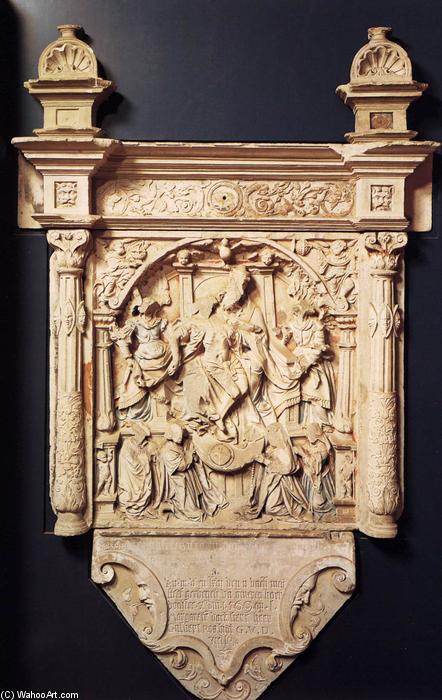
لوحة رُوس العائلة

إبداع أرت فان تريخت في لوحة رُوس العائلة، تحفة فنية من عصر النهضة الهولندية تعكس الإيمان والتاريخ، وتتميز بتفاصيل دقيقة وألوان زاهية تجذب انتباه الزوار والمهتمين بالفنون الجميلة.

Explore the evocative works of arnt van Tricht, a Dutch master (1530-1570) known for Ros Family Epitaphs & historical art. Discover his Cologne origins & Antwerp legacy.

احصل على صورة رقمية عالية الدقة ومعزّنة، بجودة تفوق بكثير المعاينة عبر الإنترنت.

يتم إعداد كل ملف بعناية فائقة من قبل متخصصينا الداخليين باستخدام أدوات متقدمة ولمسات يدوية خبيرة. نضمن أن تتمتع كل صورة بوضوح استثنائي، ودقة لونية متناهية، وتفاصيل دقيقة.

يتم تسليم الملف النهائي عبر البريد الإلكتروني في غضون 72 ساعة، وهو مُحسَّن للاستخدام الفوري في المجالات المهنية والتحريرية ومجالات الطباعة. هذه هي ذات الجودة التي تعتمد عليها كبرى استوديوهات التصميم ودور النشر والمعارض الفنية المرموقة.

صورة رقمية

حمّل ملفاً عالي الدقة للعرض الشخصي، والطباعة، والمشاريع الإبداعية. ( التحويل إلى المطبوعات اشترِ لوحة مرسومة يدويًا)

إجمالي السعر

$ 24,90

مزايا مُضمّنة في كل طلب صورة رقمية

تسليم رقمي احترافي، مضمون

عندما تختار WahooArt.com، فأنت لا تحصل على مجرد صورة فحسب، بل ستحصل على عمل فني رقمي مُحسّن باحترافية، صُمم بدقة متناهية ومصحوب بضمان الرضا. إليك كل ما يتضمنه طلبك تلقائياً:

shipping_icon
تسليم سريع عبر البريد الإلكتروني

ستصلك ملفات صورك الرقمية عالية الدقة عبر البريد الإلكتروني في غضون 72 ساعة من إتمام الطلب - لتكون جاهزة للاستخدام الفوري.

canvas_icon
ملف رقمي مُحسّن بالذكاء الاصطناعي

يتم تحسين عملك الفني باحترافية باستخدام أدوات الذكاء الاصطناعي المتقدمة والتحرير اليدوي، لضمان أقصى درجات التفاصيل والوضوح ودقة الألوان.

insurance_icon
إعادة إرسال مجانية مدى الحياة

هل حذفت ملفك أو فقدته عن طريق الخطأ؟ لا تقلق - سنعيد إرساله إليك في أي وقت، ومجاناً.

tax_icon
بدون رسوم استيراد - على الإطلاق

استمتع بأعمالك الفنية فوراً دون أي رسوم جمركية أو ضرائب أو مصاريف شحن - فالتحميلات الرقمية دائماً ما تكون معفاة من الضرائب.

color_icon
ضمان دقة الألوان

نحن نضمن أن تعكس صورتك الرقمية الألوان الأصلية بأقصى قدر ممكن من الدقة، وذلك باستخدام أدوات احترافية وتقنيات إدارة الألوان.

return_icon
ضمان الرضا لمدة 100 يوم

إذا لم تكن راضياً عن صورتك الرقمية، فسنقوم بتعديلها أو استرداد 100% من قيمتها خلال 100 يوم - دون طرح أي أسئلة.

guarantee_icon
ضمان استعادة الأموال بنسبة % 100

لم تكن راضياً؟ استرد كامل المبلغ خلال 100 يوم من استلام ملفك الرقمي - دون طرح أي أسئلة.

discount_icon
خصومات الطلبات الكبيرة

اشتري 3 صور، ووفر 10% - اشتري 5، ووفر 15% - اشتري +10، ووفر 20%. مثالية للمشاريع الإبداعية، والمعارض، والوكالات.

معلومات سريعة

  • Notable elements or techniques: Detailed drapery, expressive faces
  • Influences: Flemish Renaissance
  • Artistic style: Monumental sculpture
  • Artist: Arnt van Tricht
  • Subject or theme: Religious iconography
  • Title: Ros Family Epitaph
  • Year: 1550

اختبار الفنون

يوجد إجابة صحيحة واحدة فقط لكل سؤال.

سؤال 1:
What is the primary subject matter depicted in ‘Ros Family Epitaph’?
سؤال 2:
In what city was Arnt van Tricht primarily trained as an artist?
سؤال 3:
What significant event occurred in Wageningen in 1578 that impacted the Ros Family Epitaph?
سؤال 4:
What artistic style is characteristic of ‘Ros Family Epitaph’?
سؤال 5:
The image description mentions the deliberate damage inflicted upon the epitaph. What was the reason for this vandalism?

عنون العمل الفني: نقوش الروس العائلية

تعتبر هذه القطعة الفنية تحفة فنية فريدة من نوعها، تجسد روحًا من الإبداع والجمال الذي يميز عصر النهضة في هولندا، وتحديدًا بين عامي 1530 و 1570. تمثل هذه النقوش العائلية للروس تذكيرًا مؤثرًا بالقيم الدينية والتاريخية التي كانت سائدة في تلك الفترة، وتعتبر من أهم الأعمال الفنية التي تعكس تأثير الأفكار الإنسانية على الفنون الجميلة.

الخلفية التاريخية والرمزية

تعود أصول هذه النقوش إلى مدينة كولونيا الألمانية، حيث كان الفنان آرنت فان تريخت يتلقى تدريبه الفني في ورشة مرموقة يشتهر بها إيلياس فايت وميشيل سويرتس، مما يعكس التراث الفني الغني الذي كانت تعتمده المدينة آنذاك. لم يكن العمل الفني مجرد تزيين للمكان، بل كان وسيلة للتعبير عن الإيمان والتقدير للأجداد، وتجسيدًا للقيم الأخلاقية التي كانت تحكم حياة الناس في ذلك العصر. النقوش تستلهم الرمزيات المسيحية التقليدية، حيث يمثل القديس يوحنا الكرسي المقدس كرمز للملكوت السماوي، ويظهر المخلص على شكل صورة تجسد الإيمان والتضحية من أجل الخلاص، وتعتبر هذه العناصر أساسًا للرسالة التي يحملها العمل الفني.

الأسلوب والتقنية

تتميز النقوش بتطبيق تقنية النحت التفصيلي للغاية، والتي كانت شائعة في ذلك العصر، حيث تم استخدام الحجر الأبيض لتشكيل الأشكال الزخرفية المعقدة، وتحديدًا رأس القديس يوحنا الكرسي المقدس الذي يحمل المخلص على أكتافه. يتميز العمل الفني بالدقة والاهتمام بالتفاصيل، مما يعكس مهارة الفنان وقدرته على التقاط الجمال الطبيعي والتعبير عنه بطريقة مؤثرة وعميقة. كما أن استخدام الإضاءة الخافتة والظلال العميقة يضفي على النقوش جوًا من الرومانسية والحميمية، ويجعلها تبدو وكأنها تحكي قصة تاريخية حقيقية.

التأثير العاطفي والإلهام الفني

تعتبر هذه النقوش مصدر إلهام للعديد من الفنانين والمصممين الذين سعوا إلى استلهام أساليب الجمال الكلاسيكي والتعبير عن المشاعر الإنسانية الصادقة، وتحديدًا مشاعر التواضع والخشوع والتقدير للأجداد. فالعمل الفني لا يقتصر على تزيين المكان فحسب، بل يحمل رسالة عميقة تتجاوز حدود الزمان والمكان، وتذكرنا بأهمية القيم الروحية والأخلاقية التي يجب أن تحكم حياة الإنسان، وتعتبر هذه النقوش مثالًا للجمال الأبدي الذي لا يزول تأثيره على نفوس المشاهدين.
  • المادة: حجر أبيض
  • الحجم: 144 سم × 104 سم
  • الفنان: آرنت فان تريخت
  • العصر الفني: عصر النهضة

السيرة الذاتية للفنان

A Quiet Voice Amidst the Flemish Renaissance

Arnt van Tricht remains a figure shrouded in relative obscurity compared to his more famous contemporaries, such as Pieter Bruegel the Elder or Hans Holbein the Younger. Yet, for those who look closely at the artistic landscape of the mid-16th century, his contribution to the cultural fabric of Antwerp and Cologne is undeniable. Born around 1530, Van Tricht’s formative years coincided with a period of intense intellectual ferment, fueled by humanist scholarship and a profound rediscovery of classical ideals. While precise biographical details regarding his early upbringing are scarce, evidence suggests he was a master of both wood and stone, honing his skills in the prestigious workshops of the Lower Rhine region.

His artistic journey likely began under the guidance of Hendrick Douverman, a prominent sculptor of the era. This early training instilled in him a meticulous craftsmanship that would define his career. Though he may have had roots in Utrecht—as suggested by the stylistic similarities between his work and the influential sculptors of that city—he established much of his reputation in Kalkar. In these early years, Van Tricht was a prolific wood-carver, often creating innovative adaptations of late Gothic models. However, as the winds of the Reformation began to sweep through Northern Europe, his medium shifted. The religious upheavals necessitated a change in artistic focus, leading him to specialize in stone relief carving, memorial tablets, and exquisite chimney-pieces that blended durability with profound spiritual narrative.

The Mastery of Form and Devotion

By the mid-1560s, Van Tricht had relocated to Antwerp, a vibrant, bustling hub of international trade and artistic innovation. This move proved pivotal, as the Antwerp patronage system encouraged artists to push the boundaries of their medium. It was during this period that his work began to reflect the sophisticated influences of the High Renaissance and Mannerism. He absorbed the grace of Italian masters like Andrea del Piero della Francesca and the subtle emotional depth of Leonardo da Century, incorporating elements of idealized beauty into his sculptural reliefs.

His most celebrated achievement remains the Ros Family Epitaphs, a series of monumental funerary sculptures commissioned for St. Elisabeth’s Church in Antwerp. Executed in fine Carrara marble, these works transcend mere decoration to become profound theological contemplations. In these pieces, one can witness a masterful command of chiaroscuro—the dramatic interplay of light and shadow—carved directly into the stone. The central figures, often depicting divine grace through the presentation of Christ, are rendered with such precision that the folds of drapery and the nuances of facial expression seem almost palpable. These works served as a microcosm of the era's anxieties, capturing the tension between religious devotion and the looming threat of iconoclasm.

Legacy and Historical Significance

The tragedy of Van Tricht’s legacy is inextricably linked to the turbulent history of Antwerp itself. The Iconoclasm of 1578, a period of violent Protestant reform, saw many of his most precious works targeted by zealous soldiers. The Ros Family Epitaph, for instance, suffered the heartbreak of defaced figures, with heads shattered in an act of religious defiance. Despite such destruction, the surviving fragments of his oeuvre continue to speak volumes about the transition from late Gothic traditions to the sophisticated humanist ideals of the Renaissance.

Today, Arnt van Tricht is remembered not just as a sculptor, but as a bridge between eras. His ability to pivot from the intricate wood-carving of the North to the monumental stone reliefs of the South demonstrates a remarkable versatility and resilience. His work stands as a testament to:

  • Technical Versatility: The seamless transition from late Gothic woodcraft to Renaissance marble carving.
  • Cultural Synthesis: The blending of Netherlandish precision with Italianate Mannerist elegance.
  • Historical Endurance: The survival of profound religious artistry through the most transformative and violent periods of European history.

Through his hands, the stone and wood were given a voice—a quiet, enduring voice that continues to resonate within the halls of art history.

arnt van tricht

arnt van tricht

1530 - 1570 , Netherlands

لمحة سريعة

  • Artistic Movement Or Style: Renaissance Art
  • Date Of Birth: 1530
  • Full Name: arnt van Tricht
  • Nationality: Dutch
  • Notable Artworks: ['Ros Family Epitaphs']
  • Place Of Birth: Cologne, Netherlands