


طباعة جيكلي أو كانفاس بجودة المتاحف، مع سرعة في التنفيذ وخيارات متنوعة للتشطيب. ( شراء لوحة مرسومة يدويًا الانتقال إلى الصورة الرقمية)





























اختر من بين أحجامنا المُعدّة مسبقاً والتي تتوافق مع النسب الأصلية للعمل الفني.

أدخل العرض والارتفاع المطلوبين ليتناسب المقاس مع إطارك أو جدارك. يرجى الملاحظة أن المطبوعة يمكن قصها فقط ولا يمكن تكبيرها لتتجاوز أبعاد الصورة الأصلية، لذا فإن اختيار مقاس بأبعاد مختلفة سيؤدي إلى فقدان جزء من الصورة. سنرسل لك نموذجاً رقمياً تجريبياً لاعتماده قبل البدء في عملية الطباعة. الصورة المعروضة في هذه الصفحة لا توضح شكل القص الفعلي — النموذج التجريبي فقط هو ما يظهر ذلك بدقة.
توصيل عالمي إلى خلال أسبوعين بدلاً من المدة القياسية البالغة 4/5 أسابيع. (16 نوفمبر)
Veritas
مقاس النسخة المطبوعة
In this somber monochrome portrait, the figure of Veritas emerges from a deep, undifferentiated void. Painted by Arnold Böcklin about 1881, the work presents a female personification of Truth. She holds a long, slender sword upright in her right hand, a gesture that feels both steady and unyielding. Her gaze is direct, meeting the viewer with a stoic expression that suggests a quiet, piercing revelation. There is a sense of stillness here, as if she exists in a space removed from the passage of time.
The subject possesses a statuesque quality, her form rendered with a luminous skin texture that contrasts against the dark background. Fine, translucent folds of draped fabric fall from her head, adding a layer of soft, organic detail to her classical silhouette. The sharp, vertical line of the blade cuts through the composition, providing a rigid counterpoint to the curves of her anatomy. She does not merely exist within the frame; she commands the space with a presence that feels both ancient and immediate.
Through this allegorical lens, Arnold Böcklin explores themes of purity and strength. The grayscale palette strips away the distraction of color, forcing a confrontation with the subject's intense, singular purpose. Every shadow and highlight works to define her form, creating a sense of shallow depth that keeps the focus entirely on her unwavering stare and the metallic sheen of her weapon. Truth stands before us, stripped of ornament, defined only by her essence and her steel.
The composition centers on a vertical portrait, drawing the eye immediately to the upper torso and head of the woman. She holds a long, slender sword upright in her right hand, a sharp verticality that cuts through the space. This straight, rigid line of the blade provides a striking contrast to the soft, organic curves of her anatomy. The subject gazes directly toward the viewer with a stoic expression, her eyes meeting the observer in a moment of unyielding presence. Everything about her posture suggests a stillness that is both heavy and resolute.
Light and shadow perform a dramatic dance across the figure, creating a strong chiaroscuro effect. This interplay of light pulls her form out of a dark, undifferentiated void, giving the portrait a sense of shallow depth. The color palette remains strictly grayscale, stripping away the distraction of hue to focus entirely on the interplay of tone. One can almost feel the textures through the visual shifts: the smooth, luminous quality of the skin contrasts against the metallic sheen of the blade and the fine, translucent folds of the draped fabric falling from her head.
The work emerges from a style of academic realism infused with heavy allegorical symbolism. Every brushstroke seeks to ground the ethereal subject in a tangible, physical reality. This sense of presence is heightened by the medium, as the piece appears to be executed in oil on a small panel or canvas. The intimate scale of 27.4 x 21.8cm forces a close encounter with the subject, demanding a quiet, focused gaze to fully register the subtle shifts in light and form. It is a work that feels contained, as if the energy of the figure is being held within its modest boundaries.
A profound darkness defines the environment, with a background of deep black void that offers no sense of horizon or distance. This lack of setting pushes the figure forward, creating a sharp, dramatic contrast between the luminous skin and the surrounding nothingness. The light seems to strike the subject from an unseen source, carving out the anatomy with precision. This technique creates a sense of weight and volume, making the figure feel as though she is stepping out from the shadows into the viewer's immediate space. The composition remains fixed and steady, anchored by the verticality of the sword and the stillness of the pose.
Created about 1881, the painting relies on the interplay of light and shadow to define its narrative. The textures of the draped fabric and the metallic edge of the blade emerge from the darkness through careful application of pigment. There is a tension between the soft, organic lines of the human form and the rigid, unyielding geometry of the weapon. This visual dialogue between the living and the inanimate reinforces the allegorical weight of the scene, leaving the viewer to wonder at the silent strength held within this monochrome realm.
التنسيق الموصى به لـ "Veritas" للفنان أرنولد بوكلين: طباعة بمقاس Small في Living Room.
إن الوضع القانوني لحقوق الطبع والنشر لعمل "Veritas" للفنان أرنولد بوكلين واضح: فالعمل يندرج ضمن ملك عام - انتهت مدة حماية حقوق الطبع والنشر الخاصة به، ولا يغير وجوده في مجموعات بافاريا الحكومية للرسم من هذا الوضع شيئاً.
تُسجل درجة سطوع "Veritas" للفنان أرنولد بوكلين عند deep_shadow، مع مستوى لمعان يبلغ Dark.

تمثل مدينة بازل السويسرية نقطة الانطلاق لحياة اتسمت بالتوتر القائم بين ما هو ملموس وما هو طيفي. ولد أرنولد بوكلين في السادس عشر من أكتوبر عام 1827، لوالديه كريستيان فريدريك بوكلين وأورسولا ليب، لينتقل الشاب لاحقاً من عالم تجارة الحرير الذي انخرط فيه والده إلى القاعات الصارمة لأكاديمية دوسلدورف. وتحت إشراف المعلم شيرمر، بدأ في استيعاب لغة المناظر الطبيعية، وهي المهارة التي سيستخدمها لاحقاً لرسم جغرافيا الروح البشرية؛ فلم يكن يكتفي برسم المشاهد فحسب، بل كان يشيد عوالم تتصادم فيها الأساطالية مع الموت.
إن الانتقال من الانضباط الأكاديمي في دوسلدورف إلى أضواء باريس وعظمة روما القديمة يمثل تحولاً جوهرياً في رؤيته الفنية. ففي متحف اللوفر، امتص تاريخ كبار الأساتذة، لكن أجواء إيطاليا هي التي شكلت ريشته حقاً. عاد إلى روما بين عامي 1862 و1866، وهي الفترة التي بدأت فيها لوحة ألوانه تميل نحو ألوان أكثر عنفواناً وتعبيرية. لم تكن تلك إيطاليا المشرقة والمغمورة بالشمس كما في عصر النهضة، بل كانت مكاناً مليئاً بالظلال العميقة والثقل الأسطوري، حيث بدأت أعماله تميل نحو الرمزية، مستخدماً شخصيات من العصور القديمة لاستكشاف الحضور الثقيل والحتمي للفناء.
بحلول أواخر القرن التاسع عشر، ترسخت شهرته من خلال انشغال فني محدد ومثير للرهبة. فبين عامي 1880 و1886، أنتج خمس نسخ من لوحة جزيرة الموتى. هذا العمل، المستلهم من المقبرة الإنجليزية في فلورنسا حيث دُفنت ابنته، أصبح محوراً أساسياً للحركة الرمزية. إنه مشهد من السكون العميق: جزيرة صخرية، وأشجار سرو داكنة، وزورق يقترب من شاطئ صامت. لا تكتفي اللوحة بتصوير مكان ما، بل تصور حالة من الوجود؛ وهذه القدرة على تجسيد ما لا يمكن لمسه—من همسات الأحلام وثقل الحياة الآخرة—وضعت أرنولد بوكلين في قلب حساسية أوروبية جديدة.
غالباً ما اعتمد أسلوبه التقني على استخدام ضربات فرشاة كثيفة ومعبرة (impasto)، لا سيما في أعمال مثل الحرب (1896). في هذه القطعة، ترتجف اللوحة بفعل فوضى الصراع؛ حيث يتجنب الخطوط الواضحة للتقليدية، ويختار بدلاً منها تكويناً كثيفاً ومتعدد الطبقات حيث تتصادم الشخصيات وسط عمارة متداعية. إنه تجسيد حسي للدمار، حيث يذوب الحجاب بين الأسطورة والواقع في عاصفة من الظلال. وقد تداخل أسلوبه مع حركة ما قبل الرافائيلية، ومع ذلك ظل متميزاً، مركزاً على صوفية بدت قديمة وحديثة بشكل يثير القلق في آن واحد.
امتد تأثير صوره الفنية إلى ما هو أبعد من حدود اللوحة، ليصل إلى العالم السمعي للموسيقى الرومانسية المتأخرة. فقد وفرت لوحاته محفزاً بصرياً للملحنين، وكان لها أثر بارز في تشكيل الأجواء النفسية لأعمال غوستاف مالر. إن قدرته على جسر الفجوة بين المرئي والنفسي جعلت تأثيره ملموساً لدى أولئك الذين سعوا لتمثيل العقل الباطن، حيث امتد أثره ليشمل أجيالاً من الفنانين:
رحل الفنان في فييزولي بإيطاليا، تاركاً وراءه إرثاً فنياً رفض التصنيف السهل. لقد كان رسام المناظر الطبيعية السويسرية، والحانة الرومانية، وال groves الأسطورية، ومع ذلك ظل موضوعه الحقيقي هو الحضور الصامت والأبدي للمجهول. ولا تزال أعماله محفوظة في مجموعات فنية مرموقة، بما في ذلك متحف كونستموزيل في بازل ومتحف كونستهاوس زيورخ، لتكون منارات لأولئك الذين يستكشفون نقطة التقاء الأسطورة بالفناء.

1827 - 1901 , سويسرا
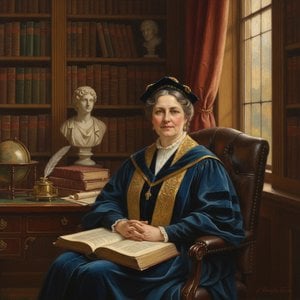
Discover the profound beauty of Academic Portraiture. Explore how classical realism captures prestige through meticulous technique, anatomical truth, and timeless elegance—perfect for discerning collectors seeking museum-quality mastery and historical grandeur.

Explore the clinical precision of German New Objectivity through masters like Otto Dix. Discover the truth behind the Weimar era's raw realism.

Discover the profound beauty of Classical Realism. Explore a curated guide to academic mastery, from technical precision to timeless elegance, perfect for discerning collectors seeking museum-quality excellence and bespoke artistry.

Master the art of decoding hidden symbols and visual allegories in historical masterpieces. Elevate your collection with expert insights.

Decode the profound symbolism of hands in masterworks from Van Gogh to Hindu mudras. Explore the silent language of art with our expert guide.
 معاينة الحجم الواقعي

 مشاركة
 مشاركة
 التفاصيل
 دليل


 تحميل الملف
 قطع مشابهة
 الأشعة السينية
 عرض شرائح
 الأسئلة والأجوبة

 الإحصائيات


 عرض المزيد









 خيار الزجاج متاح فقط للمقاسات التي تقل عن 110 سم


