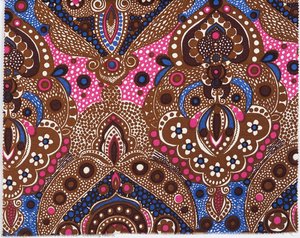
Threads of Memory: The Resilient Artistry of Anna Borkowska
The life of Anna Borkowska (1916–2008) was a profound tapestry woven from the threads of displacement, survival, and an unyielding creative spirit. Born in Mykolaiv, her early years were defined by the seismic shifts of the twentieth century, as the shadows of World War II and the subsequent Soviet occupation of Poland reshaped her destiny. Forced into the harrowing reality of Siberian resettlement, Borkowska experienced firsthand the fragility of home and the weight of exile. It was within this crucible of hardship that her artistic identity began to coalesce, not merely as a means of aesthetic expression, and but as a vital vessel for preserving the memories that the tides of history sought to erase.
While many of her contemporaries sought refuge in the traditional realms of representational painting, Borkowska turned toward the tactile and intimate medium of textile art. For her, fabric was more than a surface; it was a repository for the intangible emotions of loss and nostalgia. Her work often bypassed literal imagery in favor of a sophisticated abstraction, utilizing color palettes that evoked the melancholic beauty of the Baltic Sea. These cool blues and shifting tones served as a visual metaphor for both the tranquility of memory and the turbulent currents of her own life’s journey. Through meticulous craftsmanship, she transformed cloth into a landscape of the subconscious, where every stitch and dye could represent the enduring strength found in the face of vulnerability.
A Dual Legacy of Performance and Craft
Borkowska’s ability to convey deep human connection extended far beyond the loom and the watercolor brush. She possessed a rare, empathetic presence that allowed her to bridge the gap between visual art and dramatic performance. This unique sensitivity earned her international acclaim when she appeared in Jafar Panahi’s cinematic masterpiece, The White Balloon (1995). In portraying the benevolent elderly woman, she utilized her lived experience of resilience to breathe life into a character that resonated with audiences worldwide. This role served as a poignant intersection of her two worlds, where the same emotional depth found in her textile designs was mirrored in her ability to capture the essence of human connection on screen.
The significance of her oeuvre lies in its ability to turn personal trauma into universal themes of reclamation and healing. Her notable works, such as Clothing Fabric (1972), demonstrate a mastery of watercolor design that captures a sense of movement and fluidity. To study Borkowska’s art is to engage with the following elements of her legacy:
- The Art of Displacement: Using textile textures to symbolize the fragmented nature of refugee identity.
- Chromatic Symbolism: The use of maritime colors to reflect both peace and the upheaval of war.
- Interdisciplinary Depth: The seamless blending of cinematic empathy with the tactile precision of fabric art.
- Historical Resilience: A lifelong commitment to documenting the survival of the human spirit through abstract form.
Ultimately, Anna Borkowska remains a vital figure in the history of twentieth-century art, representing a bridge between the personal struggles of the displaced and the universal language of abstraction. Her work stands as a testament to the idea that even when one's homeland is lost, the essence of identity can be rewoven, thread by thread, into something enduring and beautiful.



 التحويل إلى المطبوعات
 مشاركة
 مشاركة
 التفاصيل

 تحميل الملف
 قطع مشابهة
 عرض شرائح
 الإحصائيات


 عرض المزيد