


 Oil On CanvasWallArtRussian Renaissance
 1410
1410 158.0 x 106.0 cm
 معرض تريتياكوف الحكومي
طباعة جيكلي أو كانفاس بجودة المتاحف، مع سرعة في التنفيذ وخيارات متنوعة للتشطيب. ( اشترِ لوحة مرسومة يدويًا اشترِ الصورة)





























اختر من بين أحجامنا المُعدّة مسبقًا والتي تتطابق مع النسب الأصلية للعمل الفني.

يمكنك إدخال أبعادك الخاصة لتناسب إطاراً أو مساحة معينة. وإذا لم يتطابق الحجم الذي اخترته مع نسب الصورة الأصلية، فسنقوم إما بقص العمل الفني أو تمديد الصورة باستخدام حافة معكوسة أو بلون مصمت. سيتم إرسال نموذج تجريبي رقمي لاعتمادك قبل بدء الإنتاج.
يرجى ملاحظة أن المعاينة على الشاشة لا تعكس عملية القص أو التمديد الفعلية؛ حيث سيوضح النموذج التجريبي فقط التكوين النهائي بدقة.
وعلى الرغم من توفر أحجام مخصصة، إلا أننا نوصي باختيار أبعاد من القائمة المحددة مسبقاً للحفاظ على النسب الأصلية.
توصيل عالمي إلى خلال أسبوعين بدلاً من المدة القياسية البالغة 4/5 أسابيع. 7 سبتمبر


Deesis Range: The Saviour
مقاس النسخة المطبوعة
To stand before an image evocative of Andrei Rublev’s profound spiritual vision is to step across the threshold of time itself. This depiction, echoing the solemnity of a Deesis grouping, centers on a figure whose gaze seems to penetrate the veil between worlds. The subject, bearing the unmistakable gravitas associated with Christ or a deeply contemplative saint, commands attention through sheer emotional resonance. It is not merely a portrait; it is an encounter. The artist has captured that fleeting moment where introspection deepens into profound understanding, allowing the viewer to feel the weight of sacred thought emanating from the canvas.
The technical brilliance evident in this work speaks volumes about Andrei Rublev’s unparalleled skill. Observe the meticulous handling of the paint; every visible brushstroke contributes to a tapestry of light and shadow that gives the figure an almost lifelike dimensionality. The contrast between the luminous quality of the face and the simplicity of the background—that striking yellow wall—is nothing short of masterful. This deliberate use of color serves not merely as decoration, but as a structural element guiding the eye directly to the emotional core: the man’s contemplative expression. For those who appreciate fine art reproduction, understanding this technique is key; it allows us to recreate the depth and subtlety that only painstaking hand-painting can achieve.
Dating back to 1410, this piece situates itself within a pivotal era for Russian art. Andrei Rublev was more than just a painter; he was the spiritual chronicler of his age. His work is deeply embedded in the tradition of Orthodox iconography, yet it possesses a unique psychological depth that elevates it beyond mere religious depiction into universal human experience. The style speaks to a period where Byzantine influences mingled with a burgeoning national artistic voice—a confluence that imbues the piece with both timeless sacredness and palpable human drama. Owning a reproduction allows one to bring this historical dialogue into a modern setting.
The most captivating element remains the subject’s gaze, directed slightly over the shoulder. This averted yet knowing look invites participation from the viewer. Symbolically, it speaks to themes of divine mystery, eternal watchfulness, and quiet wisdom. For collectors and interior designers alike, this piece offers more than just aesthetic beauty; it offers an atmosphere. It suggests a sanctuary within a room—a focal point that encourages pause, reflection, and a deeper appreciation for the enduring narratives of faith and humanity. The rich tones and profound subject matter ensure that this artwork will not merely hang on a wall, but rather inhabit the space with quiet dignity.

لا يزال أندري روبليف (حوالي 1360 – حوالي 1430) أحد أكثر الشخصيات غموضاً وتأثيراً في تاريخ الفن الروسي. فهو لم يكن مجرد رسام فحسب، بل كان تجسيداً لالتقاء التفاني الروحي، والبراعة الفنية، وجوهر روسيا في العصور الوسطى؛ تلك الأمة التي كانت تصارع من أجل إيجاد هويتها وسط التأثيرات البيزنطية ونشوء الوعي القومي. ورغم أن تفاصيل حياته لا تزال محاطة بالغموض، إلا أن إرثه كأبرز رسام أيقونات في عصره أمر لا يمكن إنكاره، حيث لم يكتفِ بصياغة اللغة البصرية للفن الأرثوذكسي الروسي فحسب، بل ترك أثراً عميقاً في الأجيال اللاحقة من الفنانين.
تندر المعلومات الملموسة التي تتحدث عن سنوات روبليف الأولى؛ إذ يُعتقد أنه ولد في موسكو، وإن كانت بعض الروايات تشير إلى احتمال نشأته في دير "ترينيتي-سان سيرجيوس" القريب من المدينة، وهو المكان الذي كان سيشكل تطوره الفني بعمق. وقد منحه تلمذته على يد ثيوفانيس اليوناني، رسام الأيقونات البيزنطي الشهير الذي انتقل إلى روسيا، أساساً لا يقدر بثمن في تقنيات وأساليب ذلك العصر. ومع ذلك، سرعان ما تجاوز روبليف مجرد التقليد، ليضفي على هذه القوالب الراسخة حساسية روسية فريدة؛ شعور ملموس بالتواضع، وعمق روحي، ورنين عاطفي ميز أعماله عن أسلافه البيزنطيين.
لم تكن الرؤية الفنية لروبليف وليدة العزلة، بل كانت متجذرة بعمق في كل من التقاليد البيزنطية والحساسيات الروسية الناشئة. إن تأثير ثيوفانيس لا يمكن إنكاره؛ فالدقة المتناهية، والألوان الغنية، والهيكل الرسمي لتكويناته هي كلها سمات مميزة للرسم الأيقوني البيزنطي. ومع ذلك، نجح روبليف بمهارة في دمج هذه العناصر مع جمالية روسية خالصة — شعور عميق بالتواضع، وتركيز على التعبير العاطفي، وارتباط بالحياة الروحية للمجتمع الرهباني.
أيقونات روبليف ليست مجرد صور جميلة؛ بل هي مشبعة بطبقات من المعاني الرمزية، مما يعكس فهماً عميقاً للاهوت المسيحي والممارسة الروحية. فغالباً ما تتضمن تكويناته إيماءات دقيقة، وتعبيرات وجه، وتوزيعات مكانية تنقل أفكاراً لاهوتية معقدة.
على الرغم من حياته القصيرة نسبياً، ترك أندري روبليف بصمة لا تُمحى في الفن والثقافة الروسية. فقد أثرت أعماله بعمق في الأجيال اللاحقة من رسامي الأيقونات، مشكلةً مسار تطور الفن الأيقوني الروسي لقرون قادمة. وفي عام 1551، أعلن مجمع "ستوغلافي سوبور" رسمياً أن أسلوب روبليف هو النموذج المعتمد للرسم الكنسي، مما رسخ مكانته كبطل فني وطني.

1360 - 1428 , روسيا
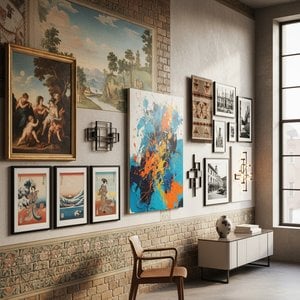
Explore the art of transforming spaces with our comprehensive guide to wall decor. From historical movements to contemporary trends, discover how to curate impactful interiors and commission bespoke artwork for a truly personalized aesthetic.

Transform your living room with iconic art! Explore our guide to the Top 10 most famous paintings – from Van Gogh's Starry Night to Mona Lisa. Discover artist stories, techniques & find museum-quality reproductions for timeless decor. Explore the full collection on

Explore the celestial brilliance of Byzantine masterpieces. Discover the sacred alchemy of gold leaf, the spiritual depth of Orthodox icons, and how this high-impact gilded glory continues to inspire awe in fine art history and modern luxury interiors.

Explore the rich history & stunning artistry of the Byzantine Empire! Discover iconic mosaics, profound symbolism, and lasting influence on Western art. A comprehensive guide for history lovers.

اكتشف عالم الجداريات الفاخرة مع WahooArt. تصميم مخصص، فنانون محترفون، ومواد عالية الجودة. حول مساحتك إلى تحفة فنية فريدة! استشارة مجانية.

 معاينة الحجم الحقيقي
 مشاركة
 مشاركة
 التفاصيل

 تحميل الملف
 قطع مشابهة
 الأشعة السينية
 عرض شرائح
 عرض المزيد







 خيار الزجاج متاح فقط للمقاسات التي تقل عن 110 سم


