

إن العمل الفني المعروض في هذه الصفحة محمي بموجب قوانين حقوق الطبع والنشر، مما يعني أنه لا يحق لنا قانوناً إنشاء أو بيع نسخ مطابقة له. وتُطبق هذه الحماية بموجب الاتفاقيات الدولية مثل الـ اتفاقية برن ووفقاً للقوانين الوطنية، بما في ذلك تلك المنصوص عليها في قانون حقوق الطبع والنشر في الولايات المتحدة - الباب 17.
تتوافق هذه الطريقة تماماً مع لوائح حقوق النشر لأنها لا تتضمن نسخ أو تكرار العمل الفني المحمي، بل هي إعادة تفسير إبداعية؛ أي أنها لوحة جديدة مستوحاة من الأصل ولكنها ليست مطابقة له.
طباعة جيكلي أو كانفاس بجودة المتاحف، مع سرعة في التنفيذ وخيارات متنوعة للتشطيب. ( شراء لوحة مرسومة يدويًا الانتقال إلى الصورة الرقمية)





























اختر من بين أحجامنا المُعدّة مسبقاً والتي تتوافق مع النسب الأصلية للعمل الفني.

أدخل العرض والارتفاع المطلوبين ليتناسب المقاس مع إطارك أو جدارك. يرجى الملاحظة أن المطبوعة يمكن قصها فقط ولا يمكن تكبيرها لتتجاوز أبعاد الصورة الأصلية، لذا فإن اختيار مقاس بأبعاد مختلفة سيؤدي إلى فقدان جزء من الصورة. سنرسل لك نموذجاً رقمياً تجريبياً لاعتماده قبل البدء في عملية الطباعة. الصورة المعروضة في هذه الصفحة لا توضح شكل القص الفعلي — النموذج التجريبي فقط هو ما يظهر ذلك بدقة.
توصيل عالمي إلى خلال أسبوعين بدلاً من المدة القياسية البالغة 4/5 أسابيع. (21 نوفمبر)
Panic
مقاس النسخة المطبوعة
André Masson's "Panic," created in 1955, isn’t merely a painting; it’s an excavation. A visceral plunge into the turbulent depths of the human psyche, rendered with a frenetic energy that both unsettles and compels. This etching, executed on paper, captures a moment suspended between chaos and control, reflecting the anxieties simmering beneath the surface of post-war Europe – a period Masson himself deeply inhabited through his pioneering work in Surrealism and Automatism.
The composition immediately assaults the senses. A dominant teal background—a shade suggestive of both twilight and unease—is fractured by swirling, violently intertwined lines in shades of purple and magenta. These aren’t neat, controlled strokes; they are a deliberate act of disruption, mirroring the feeling of being overwhelmed by internal turmoil. The lack of a clear focal point forces the viewer's eye to dart across the surface, mimicking the restless, fragmented experience of panic itself. The overall effect is less about depicting a specific scene and more about conveying an intense emotional state – a raw, unfiltered expression of anxiety.
Masson’s technique—Automatism—was central to his artistic practice. Rejecting the constraints of rational thought and deliberate planning, he sought to tap into the unconscious mind through spontaneous action. In “Panic,” this manifests as a seemingly chaotic outpouring of lines, yet beneath the surface lies a carefully orchestrated process. Masson would often begin with sand drawings, allowing the subconscious to dictate the initial forms, then translate these images onto paper using various tools – in this case, etching techniques—to create the final image. This method aimed to bypass conscious control and reveal hidden emotions and associations.
The influence of Surrealism is undeniable, but Masson’s approach extends beyond simple dream imagery. He was deeply interested in primal emotions, exploring themes of violence, eroticism, and metamorphosis – all powerfully represented within the swirling forms of “Panic.” The piece echoes the work of artists like André Breton and Joan Miró, yet possesses a uniquely personal intensity, reflecting Masson's own struggles with psychological turmoil.
The imagery within "Panic" is rich in symbolic potential. The tangled lines can be interpreted as representing repressed emotions struggling to surface, a visual manifestation of internal conflict. The use of dark teal and vibrant purples and magentas creates a dramatic contrast, suggesting a battle between opposing forces – perhaps order versus chaos, reason versus instinct. Some viewers have noted the resemblance to organic forms—twisted limbs or distorted figures—suggesting a sense of fragmentation and loss of control.
Interestingly, Masson’s work frequently engaged with themes of violence, reflecting anxieties prevalent in post-war Europe. The piece can be seen as an exploration of the destructive potential within the human psyche – a warning against succumbing to overwhelming fear and losing oneself in the chaos of internal struggle. The title itself—"Panic"—underscores this central theme, encapsulating the feeling of being trapped within one’s own anxieties.
“Panic” stands as a powerful testament to André Masson’s innovative approach to art. It’s not a comfortable piece; it demands engagement and invites introspection. His exploration of Automatism, combined with his unflinching portrayal of psychological turmoil, cemented his place as a key figure in the Surrealist movement and beyond. Reproductions of this work continue to resonate today, offering a glimpse into the complexities of the human experience – a reminder that beneath the surface of everyday life, there often lies a turbulent landscape of anxieties and unresolved emotions.
بأجوائه التي تتسم بـ Dramatic، يُقترح وضع لوحة "Panic" في Living Room.
يُنصح بتنسيق Panoramic لعمل "Panic" للفنان أندريه ماسون في Living Room؛ حيث يساهم كل من التنسيق والمساحة معاً في تحديد الطريقة الأمثل لتعليق النسخة المطبوعة.
تعد لوحة "Panic"، التي أُبدعت في عام 1955، من أعمال حقبة Surrealist Automatic Drawing في مسيرة أندريه ماسون الفنية.

ولد أندريه ماسون في الرابع من يناير عام 1896 في بلاني سور تيران، فرنسا، ليمثل علامة فارقة في تاريخ الفن الحديث. لم يكن مجرد رسام، بل كان مستكشفًا للذات الإنسانية، وغواصًا في أعماق اللاوعي، ومبتكرًا تقنيات فنية تحدت الأعراف التقليدية. رحلته الفنية كانت عبارة عن سلسلة من التحولات والتجارب الجريئة التي ترك أثرًا عميقًا على مسار الفن في القرن العشرين.
بدأ ماسون رحلته التعليمية في سن مبكرة، حيث التحق بأكاديمية الملكية للفنون الجميلة في بروكسل عام 1912 تحت إشراف كونستانت مونتالد. هذه الفترة المبكرة وضعت الأساس لأسلوبه المستقبلي، حيث اكتسب مهارات الرسم التقليدية التي ستساعده لاحقًا على التعبير عن رؤيته الفريدة. سرعان ما انجذب ماسون إلى حركة التكعيبية الناشئة، وبدأ في استكشاف أشكالها الهندسية وتفكيكها للواقع المرئي. كانت هذه البدايات بمثابة نقطة انطلاق نحو البحث عن لغة فنية جديدة قادرة على تجسيد تعقيدات العصر الحديث.
في عشرينيات القرن الماضي، انضم ماسون إلى حركة السريالية، ليصبح أحد أبرز روادها. تبنى بفرح تقنية الرسم التلقائي، وهي طريقة تهدف إلى إطلاق العنان للإبداع اللاواعي من خلال الرسم دون تدخل الوعي أو التفكير المسبق. كان يعتقد أن هذه التقنية تسمح له بالوصول إلى الحقائق الخفية في أعماق النفس البشرية والتعبير عنها بصراحة وجرأة. تعاون ماسون مع مجموعة من المفكرين والفنانين البارزين مثل أنطوان أرتو وميشيل ليريس وخوان ميرو وجورج باتاي وجان دوبوفيه وجورج مالكين، مما ساهم في إثراء الحركة السريالية وتوسيع آفاقها. أعماله خلال هذه الفترة تميزت باستكشافها الجريء للمواضيع العنيفة والمثيرة، والتي كانت بمثابة تحدٍ للقيم والمعايير الاجتماعية التقليدية.
في أواخر العشرينيات، بدأ ماسون في الابتعاد عن السريالية، وتوجه نحو أسلوب أكثر تنظيمًا وهيكلية. تأثر بأعمال الفنان أندريه ديرين، وبدأ في التركيز على رسم المناظر الطبيعية. خلال الحرب العالمية الثانية، تعرضت أعماله للانتقاد والرفض من قبل النظام النازي، واعتبرت "منحطة". تمكن ماسون من الهرب إلى الولايات المتحدة بمساعدة فاريان فراي، حيث أثر بشكل كبير على الفنانين التجريديين الأمريكيين مثل جاكسون بولوك. بعد عودته إلى فرنسا، استقر في إيكس بروفانس، وتفرغ لرسم المناظر الطبيعية، مما يعكس تحولًا نحو مواضيع أكثر طبيعية وواقعية.
ترك أندريه ماسون إرثًا فنيًا غنيًا ومتنوعًا. كانت أعماله بمثابة نقطة تحول في تاريخ الفن الحديث، حيث فتحت آفاقًا جديدة للتعبير عن الذات واستكشاف اللاوعي. ألهمت تقنية الرسم التلقائي العديد من الفنانين اللاحقين، وساهمت في تطور الحركات الفنية المختلفة مثل التجريديين الأمريكيين. استمر ماسون في الإبداع والتجريب حتى وفاته عام 1987، وظل يثير الدهشة والإعجاب بأسلوبه الفريد ورؤيته العميقة. كان أندريه ماسون فنانًا حقيقيًا، لم يكتفِ بالتقليد والاتباع، بل سعى دائمًا إلى البحث عن لغة فنية جديدة قادرة على تجسيد تعقيدات الوجود الإنساني.

1896 - 1987 , فرنسا

Explore the profound psychological depth of Expressionist portraiture. From Munch to Schiele, discover how distorted forms and visceral brushstrokes unmask raw human emotion in this definitive guide for art enthusiasts and collectors.
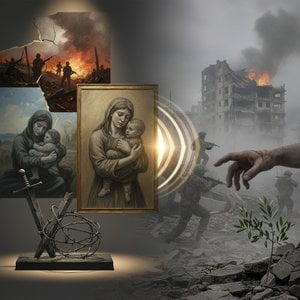
Explore a profound collection of historical war art. From visceral realism to poignant depictions of human resilience, discover museum-quality oil reproductions and expert insights for the discerning collector seeking to preserve history's most powerful echoes.

Explore the profound psychology of Surrealist landscapes and dream imagery. Decode the secrets of Dali and Magritte with our expert guide.

Master the complexities of Salvador Dalí’s genius. Explore an expert analysis of the Paranoiac-Critical Method and the profound symbolism within his Surrealist masterpieces for the discerning art collector.
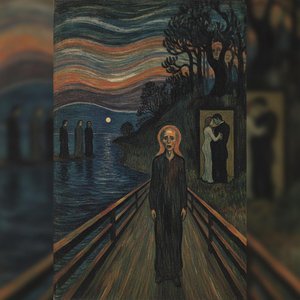
Journey through the raw emotion of Expressionism with our curated guide to Edvard Munch's top 25 masterpieces. Explore the stories behind his most iconic works and find museum-quality art reproductions for your collection. Discover all masterpieces on WahooArt.com.
 معاينة الحجم الواقعي
 مشاركة
 مشاركة
 التفاصيل
 دليل
دليل

 تحميل الملف
 قطع مشابهة
 الأشعة السينية
 عرض شرائح
 الأسئلة والأجوبة
 الإحصائيات


 عرض المزيد









 خيار الزجاج متاح فقط للمقاسات التي تقل عن 110 سم


