


x

 شراء نسخة مطبوعة شراء الصورة بدقة عالية
 مشاركة
 التفاصيل
 أضف إلى المفضلة
 تحميل الملف
 قطع مشابهة
 الأشعة السينية
 عرض شرائح
لوحة زيتية مرسومة يدوياً على الكانفاس بالمقاس والإطار الذي تفضله، تُنفذ حسب الطلب على أيدي فنانينا.
اختر من بين أحجامنا المُعدّة مسبقًا والتي تتطابق مع النسب الأصلية للعمل الفني.

يمكنك إدخال أبعادك الخاصة لتناسب إطارًا معينًا أو مساحة محددة. وإذا لم يتطابق الحجم الذي اخترته مع نسب الصورة الأصلية، فسنقوم إما بقص العمل الفني أو توسيع اللوحة بإضافة عناصر مرسومة يدويًا. سيتم إرسال نموذج رقمي إليك للموافقة عليه قبل بدء الإنتاج.
يرجى ملاحظة أن المعاينة على الشاشة لا تعكس عملية القص أو التوسيع الفعلية؛ حيث إن النموذج الرقمي وحده هو الذي سيوضح التكوين النهائي بدقة.
وعلى الرغم من توفر أحجام مخصصة، إلا أننا نوصي باختيار أبعاد من القائمة المحددة مسبقًا للحفاظ على النسب الأصلية للعمل الفني.
توصيل عالمي إلى خلال 3 إلى 4 أسابيع بدلاً من المدة المعتادة البالغة 5 أسابيع. (16 يوليو). جودة لا تهاون فيها.


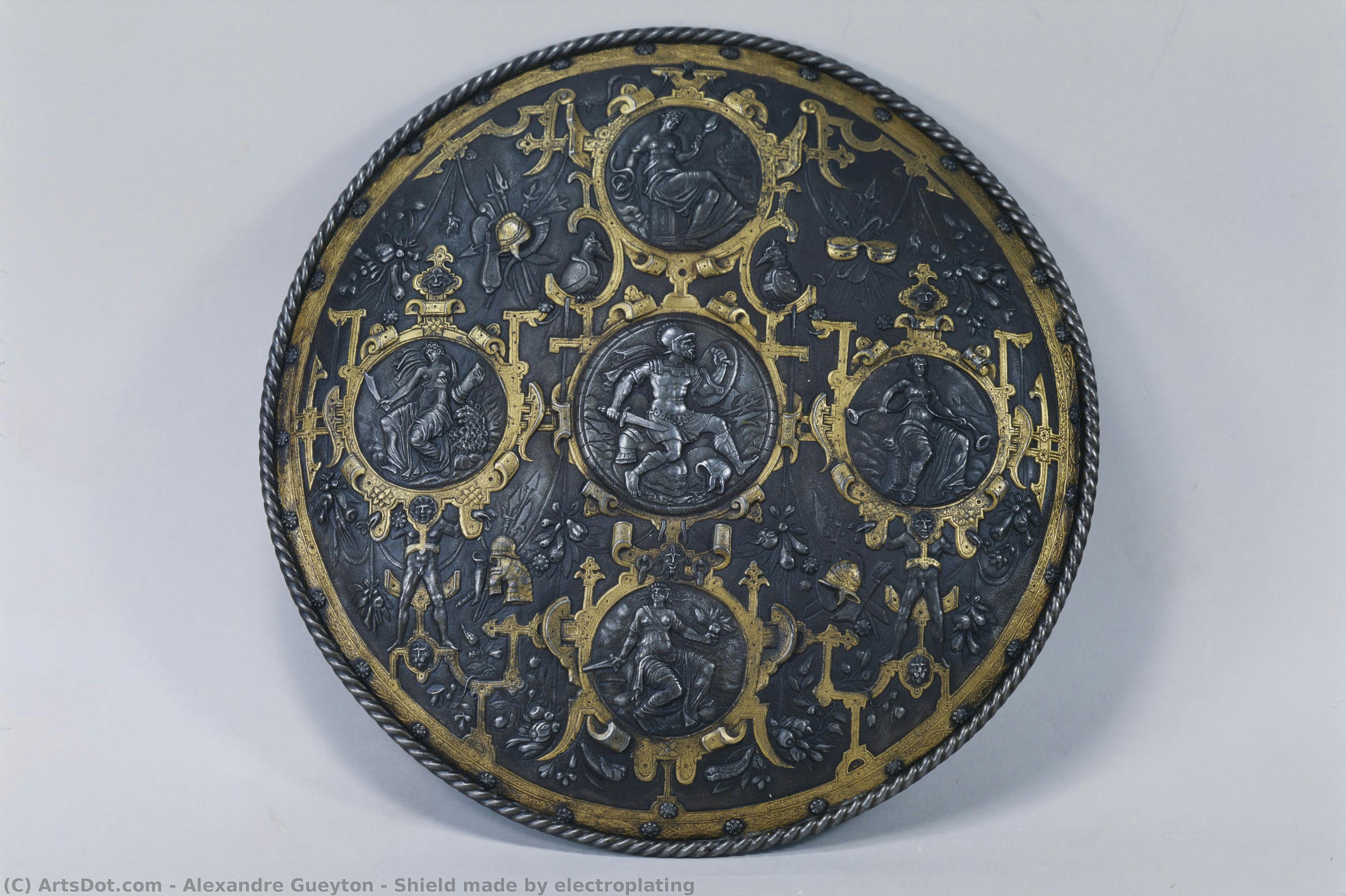
Shield made by electroplating
مقاس النسخة المطبوعة
Born in New Haven, Connecticut, in 1818, Thomas Prichard Rossiter’s artistic journey was one of constant evolution, marked by a deep engagement with both European artistic traditions and the burgeoning landscape painting scene within America. Initially trained under John Boyd and Nathaniel Jocelyn, his early work reflected a classical sensibility, honed through study at Hopkins School. However, it wasn't until his extended sojourn in Europe – beginning in 1838 and culminating in a six-year period in Rome from 1846 onward – that Rossiter truly found his voice, absorbing the grandeur of Italian art while simultaneously developing a distinctly American perspective.
Rossiter’s time in Italy proved transformative. He immersed himself in the works of masters like Raphael and Michelangelo, meticulously studying their techniques and compositions. This exposure profoundly influenced his later style, particularly evident in his meticulous detail and carefully constructed narratives. Yet, unlike many of his contemporaries who simply replicated Italian aesthetics, Rossiter skillfully integrated these influences with a growing awareness of the American landscape – specifically, the dramatic vistas of the Catskill Mountains and the Hudson River Valley. His decision to remain in Italy for an extended period signaled a deliberate choice to cultivate his artistic skills before returning to the United States, a strategic move that would ultimately shape his career.
Rossiter’s return to New York City in 1851 coincided with the rise of the Hudson River School, a movement characterized by its romanticized depictions of American wilderness. While not always considered a founding member in the strictest sense, Rossiter undoubtedly played a significant role in shaping its aesthetic and thematic concerns. His paintings frequently explored themes of history, mythology, and the relationship between humanity and nature – subjects that resonated deeply with the School’s broader vision.
His work during this period is particularly noteworthy for its historical commissions. He was commissioned to paint scenes from early American history, including portraits of Washington and his cabinet, demonstrating a commitment to documenting and celebrating the nation's founding figures. These works weren’t merely straightforward depictions; they were carefully constructed narratives imbued with patriotic sentiment and a sense of national identity. The meticulous detail in these paintings—the textures of clothing, the expressions on faces, the atmospheric effects of light and shadow—reflect his dedication to realism and his ability to capture the essence of his subjects.
Rossiter’s artistic style is characterized by a remarkable blend of technical skill and expressive power. He was a master of composition, employing carefully balanced arrangements and dramatic perspectives to draw the viewer's eye into the scene. His use of color was particularly noteworthy—he favored rich, saturated hues that evoked the grandeur and drama of the American landscape. Rossiter’s brushwork is generally smooth and controlled, yet he skillfully employed subtle variations in tone and texture to create a sense of depth and atmosphere.
He demonstrated an impressive ability to capture the nuances of light and shadow, creating a palpable sense of realism. His landscapes are not simply representations of nature; they are imbued with emotion and meaning. Rossiter’s meticulous attention to detail—from the individual strands of grass to the folds in a garment—contributed significantly to the overall impact of his paintings.
Thomas Prichard Rossiter's career spanned several decades, during which he established himself as one of America’s leading landscape painters. His work played a crucial role in shaping the visual language of the Hudson River School, influencing generations of artists who followed. His paintings continue to be admired for their technical skill, historical significance, and evocative power.
Beyond his artistic achievements, Rossiter's life reflects the broader cultural shifts occurring in America during the 19th century—the nation’s growing sense of identity, its embrace of democratic ideals, and its fascination with the wilderness. His paintings serve as a valuable window into this transformative era, offering insights into the values, beliefs, and aspirations of a rapidly changing society. He died in Cold Spring, New York, in 1871, leaving behind a substantial body of work that remains a testament to his artistic talent and enduring legacy.

1818 - 1862 , France


ابقَ على اطلاع بأحدث أخبار الفن، والعروض الحصرية، وأفكار الديكور.
أخبرنا عن مشروعك، وسيقدم لك خبراؤنا الفنيون 3 اقتراحات فنية مخصصة لك.
دعنا نختار لك ٣ خيارات مخصصة تماماً - مجاناً!
 مشاركة


 عرض المزيد




































 خيار الزجاج متاح فقط للمقاسات التي تقل عن 110 سم


