رائد الرؤى الاستشراقية: حياة وفن ألكسندر غابرييل ديكامبس
برز ألكسندر غابرييل ديكامبس كشخصية محورية في الرسم الفرنسي خلال القرن التاسلد عشر، وهو اسم يتردد صداه مع الألوان النابضة بالحياة للمناظر الطبيعية الغريبة واللمسات الدرامية للمدرسة الرومانسية. ولد في باريس في 3 مارس 1803، وكانت رحلته الفنية رحلة ابتكار جريئة، حيث تحدى التقاليد الأكاديمية ومهد الطريق لما سيعرف لاحقاً بالمدرسة الاستشراقية. وبينما شغل معاصروه مثل ديلاكروا وإنغرس مكانة مرموقة في عالم الفن الفرنسي، تميز ديكامبس بأسلوب شخصي للغاية؛ مزيج من الملاحظة الدقيقة، والتكوين الدرامي، والجودة السردية الآسرة التي جذبت المشاهدين إلى عوالم مألوفة وغريبة تماماً في آن واحد. وقد أنبأ اعترافه المبكر كموهبة فنية بمسيرة مهنية اتسمت بالإشادة النقدية، وبلغت ذروتها بالحصول على الميدالية الكبرى في معرض باريس عام 1855، وهو ما يعد شهادة على مهارته الاستثنائية ورؤيته الفريدة. وبعيداً عن لوحاته، كان ديكامبس رجلاً مرتبطاً بعمق بالطبيعة، حيث وجد السكينة والإلهام في الريف المحيط بباريس، حيث استسلم لشغفه بالحيوانات ورياضات الصيد، وهو شغف تغلغل ببراعة في الكثير من نتاجه الفني.
من النصوص المقدسة إلى الصحراء: تطور الأسلوب الفني
تميز التطور الفني لديكامبس بالرغبة في استكشاف موضوعات وتقنيات متنوعة. فبعد انجذابه الأولي للمشاهد التاريخية والكتابية، ميز نفسه سريعاً بتصوير هذه الروايات بمستوى غير مسبوق من الواقعية، حيث وضعها في سياقات محلية أصيلة بدلاً من الاعتماد على تمثيلات مثالية أو تقليدية. وقد نبع هذا الالتزام بالواقعية من رحلاته إلى الشرق، وهي تجارب أثرت بعمق في أحاسيسه الفنية؛ فلم يكن يكتفي بمجرد تصوير ما رآه، بل كان ينقل شعوراً بالأجواء، والضوء، وجوهر هذه الأراضي البعيدة. فعلى سبيل المثال، لا تعد لوحة
يوسف يُباع من قبل إخوته مجرد توضيح لقصة دينية، بل هي تصوير حي لزمان ومكان محددين، مشبعة بالعمق العاطفي والبصيرة النفسية. وامتد هذا النهج إلى أعماله التاريخية الأكبر مثل
هزيمة الكيمبري، حيث التقط ببراعة فوضوح ووحشية المعركة، مبرزاً قدرته على التعامل مع التكوينات واسعة النطاق بطاقة ديناميكية. ومع ذلك، كانت تصويراته للحياة الشرقية هي التي جعلته متميزاً حقاً، إذ كشف عن مشاهد يومية—الأسواق، المدارس، والتصاميم الداخلية للمنازل—بأمانة أربكت النقاد في البداية الذين اعتادوا على تمثيلات أكثر رومانسية أو نمطية.
أبو الاستشراق وتأثيره الخالد
يُعتبر ديكامبس بحق الأب المؤسس للاستشراق في الرسم الفرنسي. فقبل ظهوره، كانت تصويرات الشرق تمر غالباً عبر عدسة من الخيال والغرائبية، لكنه قدم رؤية مختلفة؛ رؤية متجذرة في الملاحظة المباشرة والفضول الحقيقي. وقد شكل معرضه في "صالون" عام 1831 نقطة تحول، حيث قدم للجمهور الباريسي لمحة غير منقحة عن الحياة في شمال أفريقيا والشرق الأوسط. وقد لاقى هذا النهج الرائد صدى لدى الفنانين والكتاب على حد سواء، مما ألهم موجة من الأعمال الاستخباراتية التي هيمنت على جزء كبير من فن القرن التاسع عشر. وأصبح أسلوبه—الذي يتميز بضربات الفرشاة الجريئة، والتباين الصارخ بين الضوء والظل، والإحساس الملموس بالجو العام—نقطة مرجعية لأجيال من الرسامين والمصورين والمؤلفين. وقد لقبه
ماكسيم دو كامب بعبارته الشهيرة "كريستوفر كولومبوس الشرق"، تقديراً لدوره الريادي في فتح هذا الإقليم الفني الجديد. وتجسد لوحة
الراقصة الألبانية، بألوانها النابضة وتكوينها المفعم بالحيوية، قدرته على التقاط روح ثقافة ما مع الحفاظ على حس جمالي فرنسي متميز. وحتى الأعمال الساخرة مثل
متذوقو القرود، التي كانت انتقاداً مرحاً للجنة المحافظة في أكاديمية الفنون الجميلة، تظهر استعداده لتحدي المعايير الراسخة وتبني رؤية فنية أكثر استقلالية.
نهاية مأساوية وإرث باقٍ
من المؤسف أن حياة ديكامبس انتهت فجأة في 22 أغسطس 1860، عن عمر ناهز 57 عاماً، إثر حادث صيد بالقرب من فونتينبلو. لقد حرم موته المبكر عالم الفن من موهبة مبتكرة حقاً، لكن إرثه يستمر في البقاء من خلال لوحاته الآسرة وجاذبيتها الدائمة. واليوم، تُحتفى بالروائع مثل
حريق قرية إيطالية، بتصويرها الدرامي للصراع واستخدامها المتقن لتقنية "إمباستو"، ولوحة
بدوي وجمل يستريحان في الصحراء، التي تعرض ملامس وهدوء الحياة الصحراوية، لقيمتها الفنية وأهميتها التاريخية. ويمكن العثور على أعماله في مؤسسات مرموقة مثل متحف اللوفر في باريس، مما يضمن استمرار رؤيته في إلهام وجذب الجمهور في جميع أنحاء العالم. وتلعب منصات مثل WahooArt.com دوراً حيوياً في الحفاظ على فنه ونشره، حيث توفر نسخاً عالية الجودة تسمح للمعجبين بتجربة جمال وقوة لوحات ديكامبس مباشرة. إن تأثيره يمتد إلى ما وراء مجال الرسم، ليشكل التصورات عن الشرق ويترك بصمة لا تُمحى في المشهد الثقافي لأوروبا في القرن التاسع عشر.
استكشاف عالم ديكامبس: أعمال بارزة
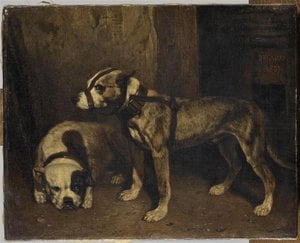
- CHIENS BRIFAUTS: مشهد استشراقي ساحر يعرض الكلاب في بيئة نابضة بالحياة.
- LA COUR DE FERME: لوحة آسرة من القرن التاسع عشر تمزج بين الرومانسية الفرنسية والتفاصيل التاريخية.
- L’ÉCOLE TURQUE: تصوير حي لمدرسة تركية، يجسد طاقة وأجواء الحياة اليومية.
- PAYSAGE TURC: منظر طبيعي هادئ يستكشف الواقعية والرومانسية في إطار فرنسي.



 معاينة الحجم الحقيقي
 التحويل إلى المطبوعات
 مشاركة
 مشاركة
 التفاصيل

 تحميل الملف
 قطع مشابهة
 الأشعة السينية
 عرض شرائح
 الإحصائيات

 عرض المزيد






































 خيار الزجاج متاح فقط للمقاسات التي تقل عن 110 سم