A Monument to Portuguese Glory: Exploring the National Pantheon
The National Pantheon in Lisbon isn’t merely a building; it's a chronicle etched in stone and gilded with history. Situated in Campo de Santa Clara, this Baroque masterpiece stands as an enduring emblem of Portugal’s spirit – its unwavering determination to honor its past while gazing confidently toward the future. More than just admiring its grandeur, visitors embark on a journey through centuries of Portuguese ambition, artistic innovation, and profound reflection.
A Tale Told in Stone: The Pantheon's Turbulent History
The genesis of this monumental edifice dates back to the 17th century when King John V envisioned a church dedicated to Saint Benedict – a poignant gesture reflecting Portugal’s fervent Catholic faith during that era. However, the project quickly spiraled into legendarily protracted delays. A romantic anecdote recounts how John V pledged his commitment if his wife successfully conceived an heir; upon fulfilling her wish, he tragically abandoned the endeavor! Despite these setbacks, construction persevered, albeit slowly, culminating in its transformation into the National Pantheon in 1960s – a testament to perseverance and evolving artistic sensibilities.
Architectural Majesty: Baroque Brilliance Defined
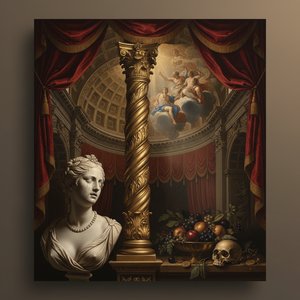
The Pantheon’s architectural design is undeniably breathtaking. Its colossal dome dominates Lisbon's skyline, representing not only structural prowess but also aspiration towards divine grandeur. Constructed by Luigi Filippo Lainez, the dome employs innovative techniques for its time, showcasing a masterful blend of influences from Italian Baroque and Flemish Renaissance styles. Inside, visitors are enveloped in an atmosphere of opulent beauty: intricate marble sculptures depicting allegorical figures and historical scenes adorn the walls, while magnificent stained-glass windows bathe the space in ethereal light—a deliberate artistic choice intended to inspire awe and reverence.
Honoring Portugal’s Luminaries: The Tombs Within
The Pantheon houses the final resting places of Portugal's most revered figures – individuals who irrevocably shaped the nation’s identity. Among them is Vasco da Gama, the intrepid explorer whose daring voyage established a crucial maritime route to India; Luís de Camões, Portugal’s literary titan and author of Os Lusíadas, an epic poem celebrating Portuguese heroism; Henry the Navigator, whose patronage fueled the Age of Discovery; and Amália Rodrigues, affectionately known as “The Queen of Fado,” whose soulful voice captured the essence of Portuguese culture. Each tomb is a carefully crafted memorial, reflecting the dignity and legacy of its occupant.
Beyond Walls: Notable Exhibitions & Ongoing Significance
Throughout its history, the Pantheon has hosted several significant exhibitions showcasing Portuguese art and cultural heritage. Recent displays have explored themes of royal patronage and artistic evolution, offering invaluable insights into Portugal’s artistic landscape during pivotal periods. Furthermore, the Pantheon continues to serve as a focal point for national commemorations and artistic discourse—a living testament to Portugal's enduring fascination with its past and its unwavering belief in the transformative power of art.
A Symbol of Resilience: What Makes Lisbon’s Pantheon Unique?
Ultimately, what distinguishes the National Pantheon is its profound connection to Portuguese history and identity. It embodies not just architectural brilliance but also the nation’s capacity for overcoming adversity—a narrative woven into every stone and illuminated by every stained-glass window. Visiting this extraordinary monument isn't merely observing art; it’s experiencing a tangible link to Portugal’s soul, prompting contemplation on its triumphs and tribulations alike.