ryōkan taigu, a japanese artist and sōtō zen buddhist monk, was born in 1758. he lived much of his life as a hermit, which greatly influenced his art and poetry. ryōkan is also known by the name ryokwan in english.
artistic style and contributions
ryōkan's artistic style is characterized by its emphasis on meditation, intuition, and simplicity. his poetry and calligraphy present the essence of zen life, making him a notable figure in the the zen art movement. this unique approach to art has had a profound influence on various forms of art, including the bunjinga art movement and the suiboku ga art movement.
influences: ryōkan's poetry and calligraphy have influenced various artists, including those in the bunjinga and suiboku ga art movements.
artistic style: characterized by emphasis on meditation, intuition, and simplicity.
notable works: although not widely available, ryōkan's works can be found on WahooArt, influencing artists like ito jakuchu and kanō eitoku.
legacy and conclusion
ryōkan taigu's unique approach to art has had a lasting impact on the zen art movement. his emphasis on meditation, intuition, and simplicity continues to influence artists today. as a quiet and unconventional sōtō zen buddhist monk, ryōkan's legacy is a testament to the power of art in expressing the true nature of reality. view more works by ryōkan taigu on WahooArt.
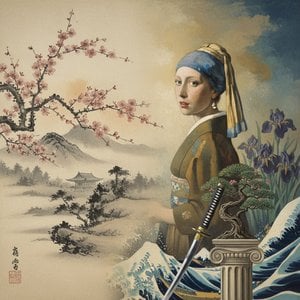
Explore the profound influence of Japanese artistry on global masterpieces. From Ukiyo-e prints to Zen aesthetics, discover how Eastern elegance transformed Western art history in this deep cultural reflection for fine art enthusiasts and collectors.
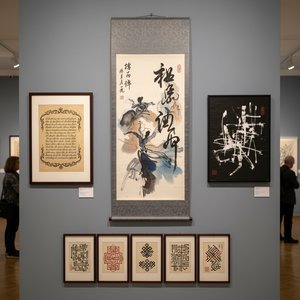
Explore the profound beauty of calligraphy art. From the fluid running script of Chinese masters to historical ink masterpieces, discover how the elegance of line transforms spaces with timeless grace and scholarly sophistication.
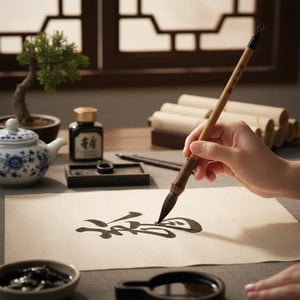
Embark on a profound journey through the soul of Chinese calligraphy. Explore the historical mastery of ink, brush, and script, from ancient Zhuanshu to elegant running script, and discover how this timeless art form reflects the enduring spirit of classical East Asian aesthetics.