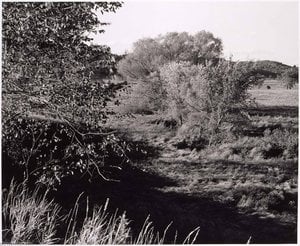
A Contemporary Vision: The World of Gregory Conniff
Gregory Conniff emerges as a compelling voice in
contemporary art, an artist whose work resonates with both subtle introspection and vibrant energy. While biographical details remain intentionally focused on the artwork itself – a testament to Conniff’s preference for allowing his creations speak directly to the viewer – his presence within the art world, particularly through platforms like
WahooArt, signals a growing recognition of his unique aesthetic sensibility. He isn't an artist defined by a lengthy public history, but rather one forged in the quiet dedication to craft and exploration of form and color. Conniff’s work doesn’t shout for attention; it invites contemplation, drawing the audience into layered compositions that reward close observation. This deliberate approach suggests an influence from
abstract expressionism, where the process of creation is as vital as the finished piece, yet Conniff distinguishes himself through a refined control and a distinctive palette.
The Language of Color and Form
Conniff’s paintings are characterized by a masterful interplay of color and form. He doesn't adhere to strict representational boundaries; instead, he employs abstraction as a means of conveying emotion and atmosphere. His canvases often feature bold swathes of color juxtaposed with delicate washes, creating a dynamic tension between strength and fragility. There is a palpable sense of movement within his work, achieved through the layering of textures and the subtle gradations of tone.
This isn’t merely about what is depicted, but how it *feels* to experience the painting. He frequently utilizes techniques reminiscent of
color field painting, building up layers of pigment to create luminous surfaces that seem to emanate light from within. The artist's choice of materials – often high-quality acrylics and oils – contributes significantly to this effect, allowing for a richness and depth of color that is difficult to replicate. The compositions are rarely static; they breathe with an organic quality, suggesting natural forms or landscapes viewed through a dreamlike haze.
Influences and Artistic Development
Pinpointing specific influences on Conniff’s work proves challenging, as his style feels both deeply personal and broadly informed by the history of
abstract art. However, echoes of
Mark Rothko's
color field explorations can be detected in his use of expansive planes of color to evoke emotional responses. The gestural energy found in the works of
Willem de Kooning also seems to resonate within Conniff’s more dynamic compositions.
It is important to note that these are not imitations, but rather points of departure – Conniff has synthesized these influences into a uniquely modern voice. His development appears to have been one of gradual refinement, moving from earlier works with more defined shapes and structures towards the looser, more atmospheric pieces he creates today. This evolution suggests a growing confidence in his own artistic intuition, a willingness to embrace chance and spontaneity while maintaining control over the overall composition.
Themes and Artistic Significance
While Conniff’s work is largely abstract, it isn't devoid of meaning. Recurring themes of nature, memory, and emotional landscape emerge through the subtle nuances of color and form. His paintings often evoke a sense of longing or nostalgia, suggesting half-remembered experiences or
fleeting moments of beauty.
- Emotional Resonance: Conniff’s primary goal appears to be creating works that resonate with the viewer on an emotional level.
- The Power of Abstraction: He demonstrates a profound understanding of how abstraction can be used to convey complex ideas and feelings.
- Atmospheric Depth: His paintings are characterized by a remarkable sense of depth and atmosphere, drawing the viewer into a contemplative space.
His significance lies in his ability to create works that are both visually stunning and emotionally engaging. In an art world often dominated by conceptualism and spectacle, Conniff offers a refreshing return to the fundamentals of painting – color, form, texture, and composition – reminding us of the power of pure visual experience. His work is not about telling stories; it’s about evoking feelings, creating moods, and inviting contemplation. The accessibility of his art through platforms like
WahooArt further democratizes this experience, allowing a wider audience to connect with his vision.