

Cottages near Cloughey 是 Dennis Orme Shaw 最著名的画作,现由位于 贝尔法斯特 的 Northern Ireland Civil Service 收藏。 Backblock ballads (1913) 和 We Have Seen the Light 是世界上知名度最高的两件作品。 在 Dennis Orme Shaw 的 6 件作品中,我们为您精选了收藏家和博物馆观众最关注的 6 件作品,并附上创作年份、馆藏机构及每件作品背后的故事。
排名依据为我们的热度评分,该评分综合了每件作品的搜索量、访问量及订单量。更新于 November 2026。

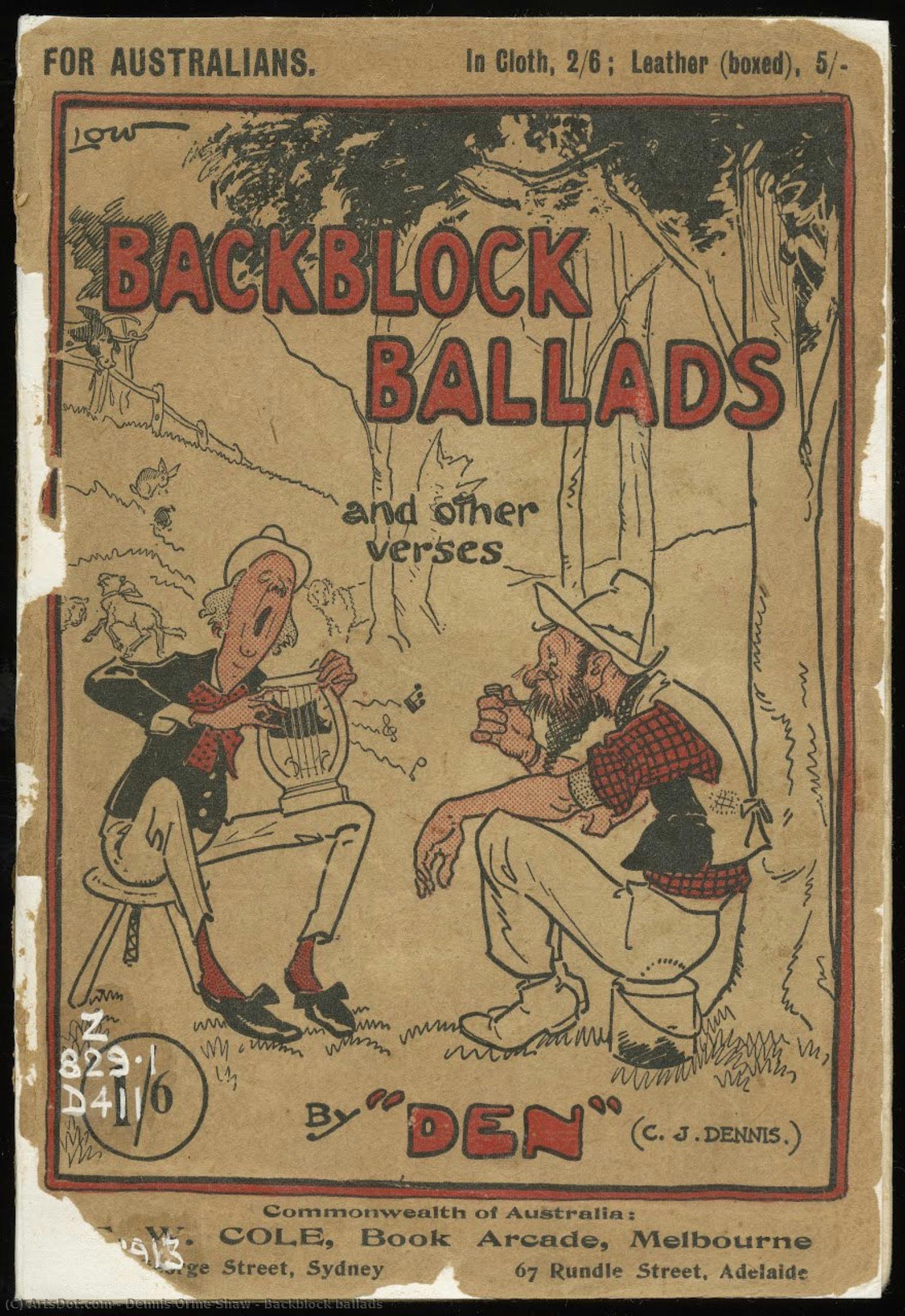
Clarence James Dennis was born at Auburn in 1876, son of a publican and his Irish wife. Mrs Dennis died when her three sons were still young, and they were then cared for by their mother


收藏了本页中大部分画作的 3 家博物馆。
| 博物馆 | 城市 | Dennis Orme Shaw 的作品 | 此列表中的画作 |
|---|---|---|---|
 Northern Ireland Civil Service |
贝尔法斯特 | 4 | Cottages near Cloughey, We Have Seen the Light, Woodland |
 State Library of South Australia |
Adelaide | 1 | Backblock ballads |
 Belfast City Hospital |
Belfast | 1 | Cottages, Coney Island |
本页展示了所有创作于 1913 年的 Dennis Orme Shaw 杰作:按知名度排序如下。

Clarence James Dennis was born at Auburn in 1876, son of a publican and his Irish wife. Mrs Dennis died when her three sons were still young, and…
Cottages near Cloughey,Northern Ireland Civil Service, 贝尔法斯特。紧随其后的是Backblock ballads (1913)和We Have Seen the Light。
我们的目录收录了 6 件 Dennis Orme Shaw 的作品。
其中大部分藏于 Northern Ireland Civil Service (贝尔法斯特), State Library of South Australia (Adelaide) 及 Belfast City Hospital (Belfast)。上表逐一列出了这些博物馆。
Cottages near Cloughey, We Have Seen the Light 及 Woodland 是该页面中由 Northern Ireland Civil Service, 贝尔法斯特 收藏的 4 件作品之一。
Dennis Orme Shaw’s artistic journey began in Wellington, New Zealand, where he absorbed the spirit of the “backblocks”—the sparsely populated rural landscapes that define the nation's identity. Born in 1968, Shaw possesses an innate fascination for capturing the essence of these regions—their weathered hillsides, meandering rivers, and quiet homesteads—a passion that would become the cornerstone of his distinctive artistic vision.
Shaw’s formative years were marked by exposure to Impressionist painting techniques. He honed his skills at Wellington Polytechnic, immersing himself in the study of color theory and brushwork—skills he would later translate into a powerfully emotive style that distinguishes his oeuvre. The influence of artists like Claude Monet and Pierre-Auguste Renoir is palpable in Shaw’s approach, particularly his dedication to portraying light and atmosphere with remarkable sensitivity.
Shaw's landscapes are not merely depictions of scenery; they are meditations on place. He strives to convey the profound connection between humans and their environment—a connection rooted in observation, empathy, and an unwavering commitment to capturing the subtle nuances of rural life. His canvases pulsate with color—deep greens, earthy browns, vibrant blues—reflecting the rhythms of the seasons and conveying a palpable sense of tranquility.
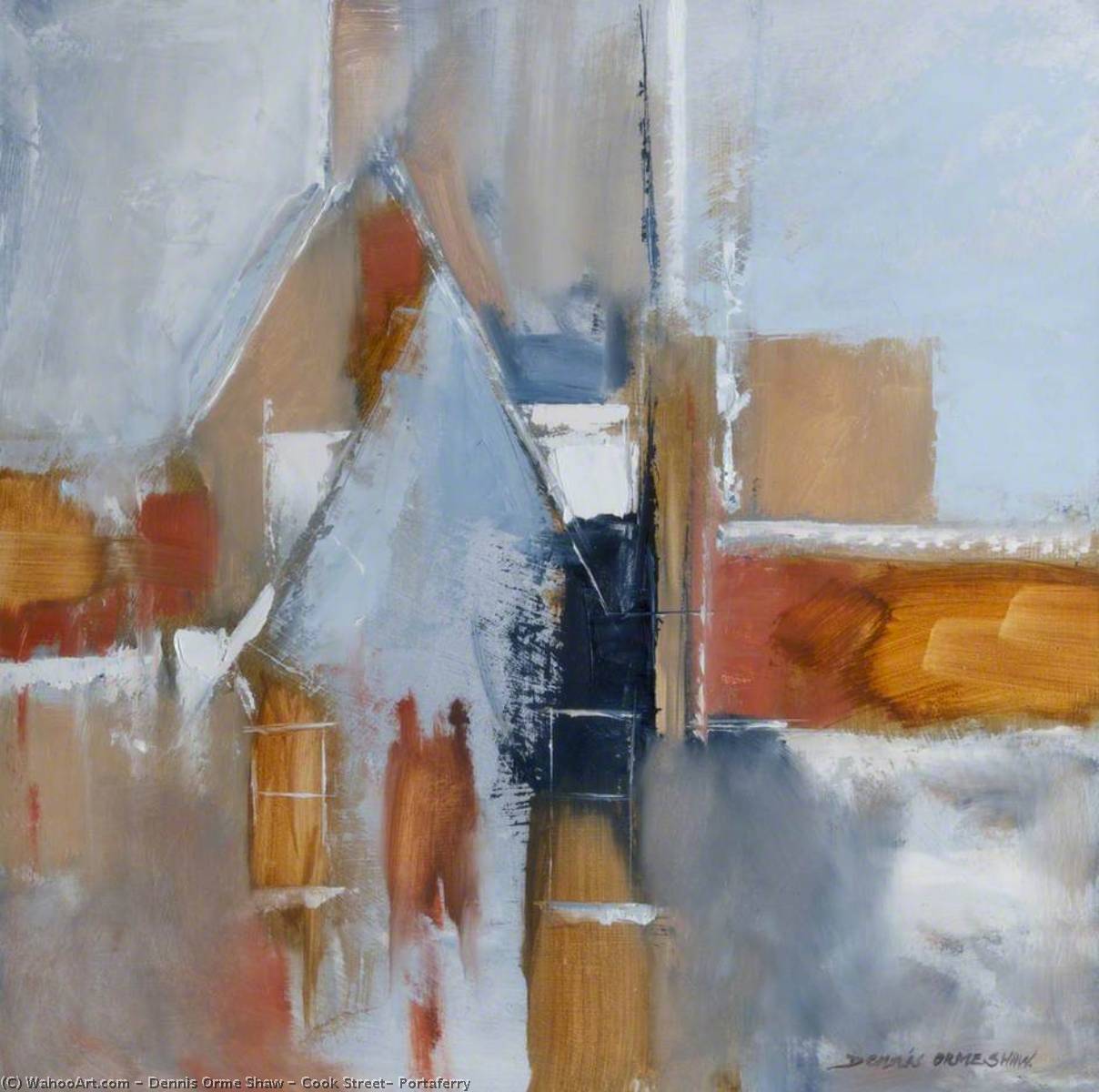
Among Shaw’s most celebrated paintings is “Cook Street, Portaferry,” a captivating portrayal of Wellington's historic waterfront. This artwork exemplifies his signature style—characterized by loose brushstrokes, luminous color palettes, and an unwavering focus on capturing the immediacy of experience. Shaw’s technique blends Impressionist principles with elements of plein air painting, allowing him to translate the fleeting beauty of nature onto canvas with breathtaking accuracy.
Dennis Orme Shaw's contribution to New Zealand art extends beyond his individual masterpieces. He embodies a broader artistic ethos—one that champions authenticity, sensitivity, and an unwavering devotion to portraying the human experience within its natural context. His work serves as a poignant reminder of the importance of preserving rural landscapes and fostering appreciation for the enduring power of art to illuminate our understanding of the world around us.