免费艺术咨询

x

彼得·芬迪

1796 - 1842

人物简介

  • Art period: 19世纪
  • Movements: biedermeier
  • Born: 1796, 维也纳, 奥地利
  • Gift suitability: other-none
  • Room fit: 起居空间
  • Mediums:
    • 布面油画
    • 布面丙烯
    • 水彩
  • Copyright status: Public domain
  • Creative periods: mature period
  • Museums on APS:
    • 阿尔贝蒂纳博物馆
    • 阿尔贝蒂纳博物馆
    • 阿尔贝蒂纳博物馆
    • 阿尔贝蒂纳博物馆
    • 阿尔贝蒂纳博物馆
  • 更多…
  • Emotional tone:
    • 宁静
    • 沉思性
  • Lifespan: 46 years
  • Died: 1842
  • Works on APS: 21
  • Vibe:
    • 典雅
    • 宁静
  • Top-ranked work: The Freezing Pretzel Boy in front of the Dominikanerbastei
  • Best occasions:
    • 点缀
    • 陈述词
  • Nationality: 奥地利
  • Top 3 works:
    • The Freezing Pretzel Boy in front of the Dominikanerbastei
    • The Sad Message
    • The rise

艺术知识测试

每道题只有一个正确答案。

题目 1:
哪件重大的童年事件影响了彼得·芬迪(Peter Fendi)的身体发育,并进而影响了他的艺术风格?
题目 2:
彼得·芬迪最紧密相关的艺术时期是哪一个?
题目 3:
彼得·芬迪最初在哪里通过担任素描师和雕刻师获得了艺术领域的专业经验?
题目 4:
哪种艺术运动深刻影响了芬迪的风俗画,激励他以写实主义和社会评论为重点来描绘日常生活?
题目 5:
彼得·芬迪因精通哪种创新的印刷技术而闻名,并因此获得了该领域的先驱地位?

Peter Fendi: A Pioneer of Viennese Biedermeier

Peter Fendi, born in Vienna’s heart on September 4th, 1796, was more than just a painter; he was a pivotal figure in the development of Austrian art during the Biedermeier period. His life, marked by an early physical challenge – a fall from a changing table as an infant that left him with lasting spinal issues – ironically fueled a remarkable talent for drawing and ultimately shaped his artistic vision. His father, a schoolmaster, recognized this innate ability, enrolling young Peter at the prestigious St. Anna’s Academy of Fine Art in 1810. There, under the tutelage of esteemed artists like Johann Martin Fischer, Hubert Maurer, and Johann Baptist von Lampi the Elder, Fendi honed his skills, laying the foundation for a prolific career spanning oil paintings, watercolors, prints, etchings, lithographs, and even wood carving. Fendi’s early professional life began at the Imperial Gallery of Coins and Antiquities in 1818, where he served as a draughtsman and engraver under Joseph Barth, an influential art collector and the personal ophthalmologist to Emperor Joseph II. This position provided invaluable access to artistic circles and exposed him to the meticulous detail demanded by imperial commissions. A significant milestone arrived in 1821 when Fendi received a gold medal for his oil painting *Vilenica*, solidifying his reputation within the Viennese art scene. This recognition led to election as a member of the Academy of Fine Arts Vienna in 1836, further cementing his standing amongst his peers.

A Dutch Influence and Venetian Inspiration

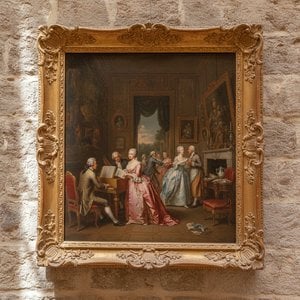
Fendi’s artistic style was deeply influenced by two distinct yet complementary sources: the Dutch masters and the Italian Renaissance. The realism and genre scenes prevalent in the works of artists like Adriaen Brouwer, Adriaen van Ostade, and Rembrandt resonated profoundly with Fendi, shaping his depictions of everyday life – bustling marketplaces, tavern scenes, and intimate domestic moments. These paintings are characterized by a keen observation of human behavior, often imbued with a subtle sense of humor or social commentary. Simultaneously, Fendi’s journey to Venice in 1821 proved transformative. Immersed in the opulent art collections of Giovanni Bellini, Tintoretto, Titian, and Paolo Veronese, he absorbed their dramatic compositions, rich colors, and masterful use of light – elements that would later infuse his own work with a sense of grandeur and theatricality.

Lithographic Innovation and Portraiture

Beyond traditional painting techniques, Fendi was a true innovator in the field of lithography. His multicolored prints, particularly those produced in the 1830s and 40s, were groundbreaking for their time, demonstrating remarkable technical skill and artistic sensitivity. These prints weren’t merely reproductions; they were independent works of art, often depicting scenes from Viennese life with a vibrant palette and dynamic composition. Furthermore, Fendi was a highly sought-after portraitist, capturing the likenesses of both nobles and commoners alike. His portraits are notable for their psychological depth and ability to convey the personality of his subjects – a testament to his keen eye and understanding of human character. Notably, he engraved a series of five Austrian banknotes issued in 1841, showcasing his versatility as an engraver.

Legacy and Artistic Significance

Peter Fendi’s legacy extends far beyond the individual artworks that bear his signature. He played a crucial role in shaping the Biedermeier aesthetic – characterized by its intimate scale, realistic depiction of everyday life, and subtle social commentary. His influence can be seen in the works of subsequent generations of Austrian artists. His meticulous attention to detail, combined with his innovative approach to lithography, cemented his place as one of the most important figures of the Biedermeier period. Today, Fendi’s paintings are preserved in prestigious collections such as the Albertina Museum, the Belvedere Gallery, and the Prince of Liechtenstein's collection in Vaduz, ensuring that his artistic contributions continue to be appreciated and studied for generations to come. His work offers a valuable glimpse into 19th-century Austrian society, capturing both its beauty and its complexities with remarkable skill and sensitivity.