
由我们的艺术家按需定制,为您提供您所选尺寸及画框的布面手工油画。 ( 切换至版画销售渠道 切换至数字图像销售渠道)





























从与原作比例一致的预设尺寸中进行选择。

您可以输入自定义尺寸,以适配特定的画框或空间。如果所选尺寸与原图比例不符,我们将通过裁剪作品或添加手绘元素来扩展画面。数字样稿将在制作开始前发送给您确认。
请注意,屏幕预览无法准确反映实际的裁剪或扩展效果,只有样稿才能真实呈现最终的构图。
虽然我们提供定制尺寸服务,但为了保留原作比例,建议您从预设列表中选择尺寸。

Polyptych of the Resurrection: Resurrection
复制品尺寸
Titian’s “Polyptych of the Resurrection,” a monumental cabinet painting from the early 16th century, isn’t merely a depiction of a biblical event; it’s an immersive theatrical experience, a testament to the Venetian painter’s mastery of color and drama. Originating as a commission for the wealthy papal legate Altobello Averoldi, this extraordinary work transcends its religious subject matter to become a profound meditation on faith, triumph, and the very nature of light itself. The polyptych, a format increasingly favored in Northern Europe during this period, allowed Titian to create a complex narrative unfolding across multiple panels, inviting prolonged contemplation and offering a layered engagement with the story of Christ’s resurrection.
The painting's genesis lies within the vibrant artistic landscape of Florence, a city then under the rule of Grand Duke Ferdinando II. This period witnessed a flourishing of craftsmanship, exemplified by the meticulous construction of the cabinet itself – a sturdy, dark wood frame designed to house and protect this precious devotional object. The choice of materials—the rich, somber tones of the paneling contrasting sharply with the vibrant hues of the painted scenes—immediately establishes a sense of solemnity and importance. The overall effect is akin to stepping into a sacred space, a carefully constructed environment meant to inspire reverence and contemplation.
Titian’s genius lies not just in his ability to render figures with anatomical accuracy – though he certainly possesses that skill – but in his revolutionary use of color. He eschews the cool, muted palette favored by some of his contemporaries, instead embracing a dazzling array of reds, golds, and blues, creating an atmosphere of intense luminosity. The central panel depicting Christ’s ascension is particularly arresting; the golden light radiating from his outstretched arms seems to physically pull the viewer into the scene, while the deep blues and purples of the sky evoke both the majesty of heaven and the drama of the event itself. This masterful manipulation of chiaroscuro – the dramatic contrast between light and shadow – imbues the painting with a palpable sense of movement and energy.
Technically, Titian employed a technique known as “alla prima,” meaning he applied paint directly to the canvas in a single layer, without underdrawing. This approach allowed him to capture fleeting moments of light and color with remarkable immediacy. The brushstrokes are loose and expressive, contributing to the painting’s dynamic quality. The artist's signature, "Ticianus Faciebat / MDXXII," is subtly integrated into the panel depicting Saint Sebastian, a small detail that underscores Titian’s confidence in his work and his willingness to sign his paintings.
Beyond its immediate depiction of the resurrection, the polyptych is rich in symbolic meaning. The angels flanking Christ are not merely passive observers but active participants in the divine drama, holding aloft banners bearing the symbols of faith – St. George’s banner representing the Catholic Church. The soldiers below, rendered in a more earthly palette, represent the forces of darkness that have been overcome by Christ's triumph. The inclusion of architectural and landscape views—inspired by the Venetian painting traditions—adds another layer to the narrative, suggesting both the earthly realm and the heavenly destination of the resurrected Christ.
The individual panels themselves contribute to this complex tapestry of meaning. The panel depicting Saint Sebastian, a popular martyr associated with healing and protection, offers a poignant reminder of human suffering and sacrifice. The depiction of Saints Nazarius and Celsus, patrons of the church that commissioned the polyptych, further anchors the work within its specific historical context. Each element works in concert to create a profound meditation on faith, hope, and redemption.
Titian’s “Polyptych of the Resurrection” stands as a pivotal work in the history of Venetian painting, demonstrating his unparalleled ability to capture light, color, and emotion. It is more than just a religious image; it's a vibrant testament to the power of art to inspire awe and wonder. Today, reproductions of this magnificent polyptych continue to captivate audiences worldwide, offering a glimpse into the genius of one of history’s greatest painters – a master who forever changed the way we perceive color and light.

提香(Tiziano Vecellio),这位名字在艺术史上熠熠生辉的人物,是意大利文艺复兴时期最伟大的画家之一。他不仅是一位技艺精湛的艺术家,更是一位色彩革新者,深刻地影响了西方绘画的发展轨迹。他的作品充满了活力、情感和对人性的深刻洞察,至今仍深深打动着无数观众的心灵。
提香生于1488年或1490年左右,出生在多洛米蒂山脉脚下的皮耶韦迪卡多尔小镇。他的早年生活并不详尽,但可以确定的是,他怀揣着对艺术的无限热情,前往威尼斯求学。在那里,他先师从马赛克画家塞巴斯蒂亚诺·祖卡托,后又在金替莱·贝利尼和他的弟弟乔瓦尼·贝利尼的指导下学习绘画技巧。然而,真正塑造提香艺术风格的关键人物是乔尔吉奥内。这两位艺术家共同创作了许多作品,包括“德国商人行会”的外墙壁画,这些合作不仅提升了提香的技艺,也奠定了其独特的艺术风格的基础。
提香的艺术生涯并非一蹴而就,而是经历了一个不断发展和创新的过程。他的早期作品深受乔尔吉奥内影响,呈现出一种柔和、诗意的氛围。然而,随着时间的推移,他逐渐摆脱了这种风格的束缚,开始探索更加大胆和富有表现力的色彩运用。他不再满足于简单的模仿自然,而是试图通过色彩来表达情感、传递思想。例如,《圣母玛利亚与圣伊丽莎白相遇》这幅作品,就充分展现了他对色彩的精湛掌握和对人物内心世界的深刻洞察。提香对色彩的理解达到了前所未有的高度,他能够准确地把握不同颜色的相互作用,创造出令人惊叹的光影效果。
提香不仅是一位杰出的肖像画家,也是一位伟大的历史画、神话画和宗教画大师。他为威尼斯共和国的统治者、欧洲各国的君主以及教皇绘制了大量的肖像作品,这些肖像栩栩如生,充满了人物个性和魅力。他的历史画和宗教画则以其宏大的场面、深刻的思想内涵和精湛的绘画技巧而著称。《乌尔比诺的维纳斯》是提香最著名的作品之一,它不仅是一幅充满感官美感的裸体画作,更是一件具有象征意义的艺术品。这幅画以其大胆的构图、丰富的色彩和对人物情感的细腻刻画而闻名于世。
提香在威尼斯取得了巨大的成功,成为了当时最受尊敬和追捧的艺术家之一。他不仅为威尼斯共和国服务,还受到欧洲各国君主的青睐。他的作品被广泛收藏,影响了无数后世画家。彼得·保罗·鲁本斯、伦勃朗等艺术大师都深受提香的影响,并从他的作品中汲取灵感。提香的绘画风格对巴洛克艺术的发展产生了深远的影响,为西方绘画开创了新的时代。
提香于1576年去世,享年约88岁。他留下了大量的作品,这些作品不仅是意大利文艺复兴时期艺术的瑰宝,也是人类文明的共同财富。如今,他的作品散落在世界各地的博物馆和美术馆中,吸引着来自全球各地的观众前来欣赏。

1490 - 1576 , 意大利

Elevate your interior with WahooArt.com's bespoke multi-panel polyptychs. Discover our expert guide to creating stunning, hand-painted art sets with over 150 curated layouts, seamless brushwork, and professional digital staging for the discerning collector.

Explore the luminous mastery of Titian. Discover how the Venetian master revolutionized color and light through breathtaking Renaissance techniques, from Venus Anadyomene to profound allegories, and learn to bring this timeless brilliance into your private collection.
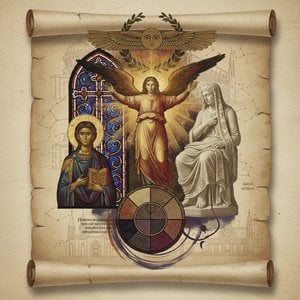
Explore the profound impact of spiritual themes in fine art. From Renaissance iconography to Baroque drama, discover how sacred symbolism and divine visions have shaped art history through a scholarly and reflective lens.

Embark on a profound journey through the history of Catholic art. Explore the dramatic beauty of Baroque masterpieces, sacred iconography, and timeless religious sculptures curated for the true art enthusiast and collector.

Explore the profound power of religious symbolism in art history. From Renaissance masterpieces to sacred iconography, uncover the hidden meanings behind divine details in a deep dive into classical art excellence.


 效果预览
效果预览
 分享
分享 分享
分享
 详情
详情

 下载
下载
 相似作品
相似作品 X射线
X射线 幻灯片播放
幻灯片播放 统计数据
统计数据


 展开详情
展开详情









 玻璃选项仅适用于110厘米以下的尺寸。


