
由我们的艺术家按需定制,为您提供您所选尺寸及画框的布面手工油画。 ( 切换至版画销售渠道 切换至数字图像销售渠道)





























从与原作比例一致的预设尺寸中进行选择。

您可以输入自定义尺寸,以适配特定的画框或空间。如果所选尺寸与原图比例不符,我们将通过裁剪作品或添加手绘元素来扩展画面。数字样稿将在制作开始前发送给您确认。
请注意,屏幕预览无法准确反映实际的裁剪或扩展效果,只有样稿才能真实呈现最终的构图。
虽然我们提供定制尺寸服务,但为了保留原作比例,建议您从预设列表中选择尺寸。

coronation of the virgin with angels
复制品尺寸
In the breathtaking masterpiece Coronation of the Virgin with Angels, the viewer is transported into a divine realm where the boundaries between heaven and earth dissolve. Painted around 1550 by the Florentine master Cecchino del Salviati, this work serves as a profound testament to the elegance and artifice of the Mannerist movement. The composition centers on the Virgin Mary, depicted with a serene yet commanding presence, adorned in a regal crown that signifies her celestial sovereignty. As she cradles the Christ child, the painting captures a moment of profound spiritual intimacy, framed by a swirling host of angels whose varied positions create a sense of rhythmic, ethereal movement. The inclusion of a rich red curtain behind the central figures adds a theatrical depth to the scene, grounding the divine event in a space that feels both sacred and grandly staged.
The artistry of Cecchino del Salviati shines through his masterful command of form and color, techniques inherited from his rigorous training under the great Andrea del Sarto. In this work, we see the transition from High Renaissance stability to the more fluid, elongated, and complex aesthetics of Mannerism. The artist employs a sophisticated palette where soft, luminous skin tones contrast beautifully with the vibrant drapery and the atmospheric depth of the outdoor setting. Each figure is rendered with an intricate attention to wonderful detail, from the delicate features of the surrounding angels to the subtle interplay of light and shadow that gives the composition its sculptural quality.
Beyond its visual splendor, the painting is steeped in deep religious symbolism intended to evoke awe and devotion. The coronation itself represents the ultimate triumph of faith, a moment of cosmic significance where Mary is recognized as the Queen of Heaven. This subject, popular throughout Italian art history, allows the artist to explore themes of divine grace and eternal glory. The surrounding angels act not merely as decoration but as celestial witnesses, their dynamic poses guiding the eye toward the central mystery of the Christ child and his mother.
For the discerning collector or interior designer, this painting offers a sophisticated focal point, bringing a sense of historical weight and classical grace to any curated space. The interplay between the earthly textures—such as the heavy, dramatic red curtain—and the ethereal, light-filled sky creates a tension that is both intellectually stimulating and visually captivating. It is a piece that invites long periods of contemplation, making it an ideal acquisition for those looking to infuse their environment with a sense of timelessness and spiritual depth.
To understand the soul of this work, one must look to the life of Francesco Salviati, known as Cecchino. Born in Florence around 1510, he was a pivotal figure in the vibrant, shifting landscape of the sixteenth century. His early years were an immersion into the very soul of Florentine humanism, and his ability to push beyond the balanced harmonies of his predecessors toward something far more experimental and emotionally charged defines the essence of this painting. He was an architect of visual experience, meticulously crafting scenes brimming with movement and psychological intensity.
Owning a high-quality reproduction of such a work allows one to possess a fragment of the Mannerist revolution. Whether placed in a grand salon or a quiet study, the Coronation of the Virgin with Angels serves as a window into a period of unparalleled artistic innovation, offering an enduring sense of beauty that transcends the centuries.

在十六世纪那充满活力且变幻莫测的艺术版图中,很少有艺术家能像弗朗切斯科·萨尔维亚蒂那样,如此深刻地捕捉到风格主义运动中那种躁动不安的力量。他在历史上以其富有感染力的绰号——切基诺·德尔·萨尔维亚蒂(Cecchino del Salviati)而为人所熟知。他于1510年左右出生在佛罗伦萨,承袭了艺术世家的血脉,其父正是画家弗朗切斯卡·罗西。切基诺的生命注定要沉浸在意大利文艺复兴那复杂的审美之中。他的早年岁月不仅是一场技艺的磨炼,更是一次对佛罗伦萨人文主义灵魂的深度洗礼。在伟大的安德烈亚·德尔·萨尔托(Andrea del Sarto)的悉心教导下,切基诺吸收了严谨写实主义与构图优雅感的艺术根基,但他内心深处却拥有一种天生的驱动力,渴望超越前辈们所追求的平衡和谐,去探索某种更具实验性且情感充沛的境界。
约1531年,随着极具影响力的枢机主教乔瓦尼·萨尔维亚蒂将他召至罗马,他的艺术生涯轨迹发生了剧变。这次从纪律严明的佛罗伦萨画室向宏伟的罗马教廷舞台的转型,让切基诺得以在那个时代最显赫的赞助人簇拥下蓬勃发展。正是在这种罗马式的艺术氛围中,他的风格开始演变为典型的风格主义语言。他逐渐背离了盛期文艺复兴那种宁静而稳定的特质,转而拥抱一种由人工雕琢、优雅与张力交织而成的艺术语汇。在他的作品中,拉长的肢体、不对称的布局以及对色彩的高级运用成为了艺术的游乐场,这些元素既能唤起神圣的辉煌感,又能传达出令人不安的心理深度。
切基诺真正的天才在湿壁画这一媒介中得到了最持久的表达。他拥有一种罕见的能力,能将冰冷的灰泥转化为充满生命力且神圣的叙事篇章。他对这一技法的掌控,使他能够以宏大的规模和细腻的细节来装饰罗马的神圣空间。谈论他的艺术贡献时,无法绕开他在处理复杂的宗教图像学需求时展现出的非凡能力——他既能遵循传统,又能注入一种现代且近乎戏剧化的神采。在诸如天使环绕下的神圣加冕等作品中,他呈现出一种令人屏息的优雅感,天界仿佛穿透层层旋转的、空灵的光影与精心描绘的衣褶,缓缓降临人间。
他的叙事手法往往以背离严格的古典规范为特征,转而追求情感的强度。在对圣经事件的描绘中,例如多马的怀疑,他运用了风格主义的标志性元素——扭曲的透视与复杂且拥挤的构图——来强化瞬间的戏剧冲突。这种风格选择并非仅仅为了装饰;它旨在从直觉层面吸引观众,将观者拉入场景中那场精神上的挣扎与奇迹般的紧张感之中。他能够在宏伟叙事与细腻情感之间取得平衡,这使他既能满足教堂建筑对宏大场面的需求,也能应对肖像画中更为私人化、心理化的表达诉求。
除了大规模的宗教系列作品,切基诺·德尔·萨尔维亚蒂还通过其肖像画与装饰艺术留下了不可磨灭的印记。他捕捉人物性格与社会地位的能力——这在其青年男子肖像中可见一斑——展示了一种跨越神圣与世俗界限的多才多艺。作为一名经历了从文艺复兴的稳定性向风格主义表现性复杂化过渡的画家,他在意大利艺术的演进过程中扮演了至关重要的纽带角色。他的作品反映了那个时代对技艺精湛的痴迷,以及对一种挑战视觉极限、震撼心灵之美学的追求。
尽管他的生命在1563年的罗马戛然而止,但切基诺·德尔·萨尔维亚蒂的遗产已深深铭刻在意大利最著名的圣殿墙壁之上。他是一位定义了艺术实验时代的先驱,证明了美不仅存在于完美的比例之中,也存在于人类经验中那些美丽的扭曲与戏剧性的阴影里。他的贡献至今仍为学者与艺术爱好者提供了一扇窗口,让我们得以窥见那个充满无与伦比的创作勇气的时代。

1510 - 1563 , 意大利
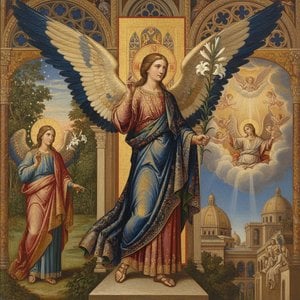
Explore the profound beauty of Angel Gabriel in art history. From Renaissance masterpieces to Baroque splendor, our expert guide delves into the sacred iconography and timeless techniques of these divine messengers for the discerning art enthusiast.
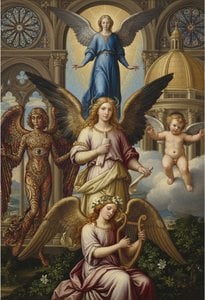
Explore the profound beauty of angelic figures in art history. From Renaissance masterpieces to celestial symbolism, our expert guide offers a sophisticated journey through the divine imagery of the Old Masters for discerning collectors and art enthusiasts.

Explore the profound beauty of Marian iconography through an art historian's lens. Discover iconic masterpieces by Raphael and Renaissance masters, celebrating the divine grace and timeless elegance of the Virgin Mary in classical fine art.

Embark on a profound journey through art history with our exploration of the most iconic depictions of the Virgin Mary. Discover the divine grace, symbolism, and masterful techniques found in Renaissance masterpieces and sacred iconography.


 效果预览
效果预览
 分享
分享 分享
分享
 详情
详情 指南
指南

 下载
下载
 相似作品
相似作品 X射线
X射线 幻灯片播放
幻灯片播放 统计数据
统计数据


 展开详情
展开详情









 玻璃选项仅适用于110厘米以下的尺寸。


